Archive · War Reports
Afghanistan, 2001
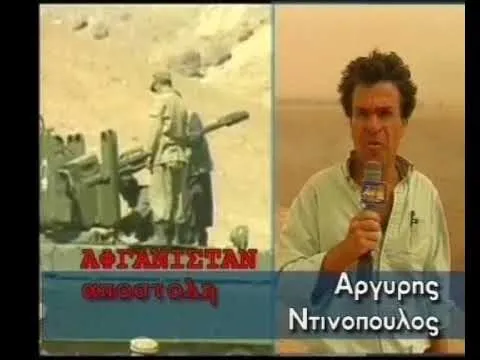
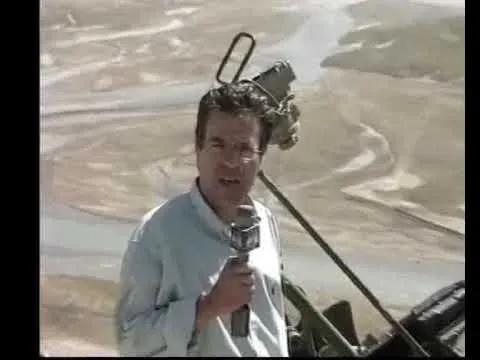
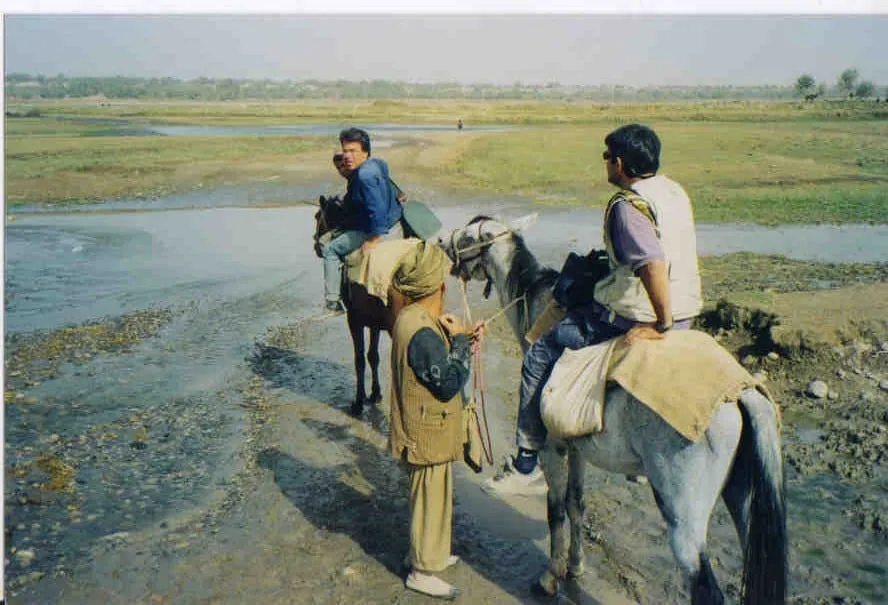
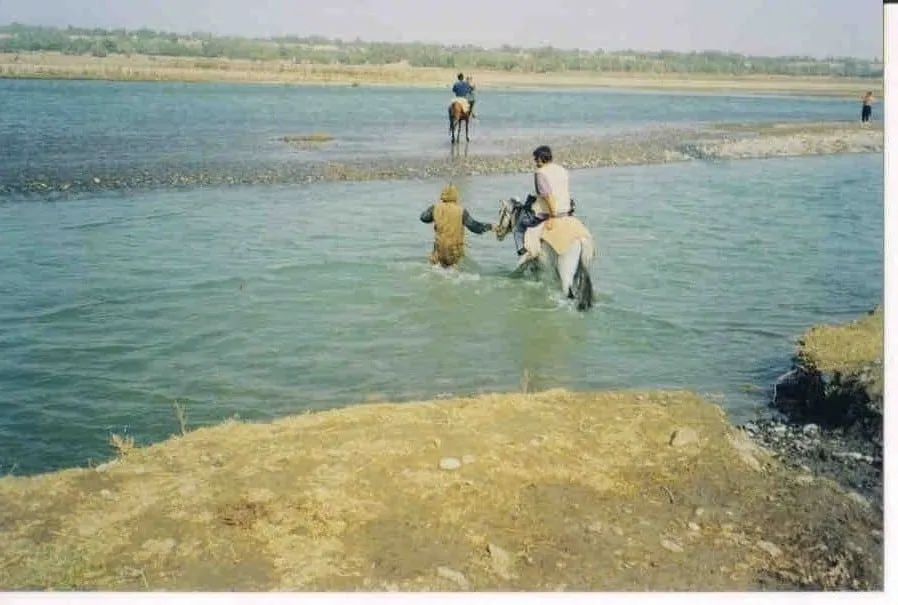
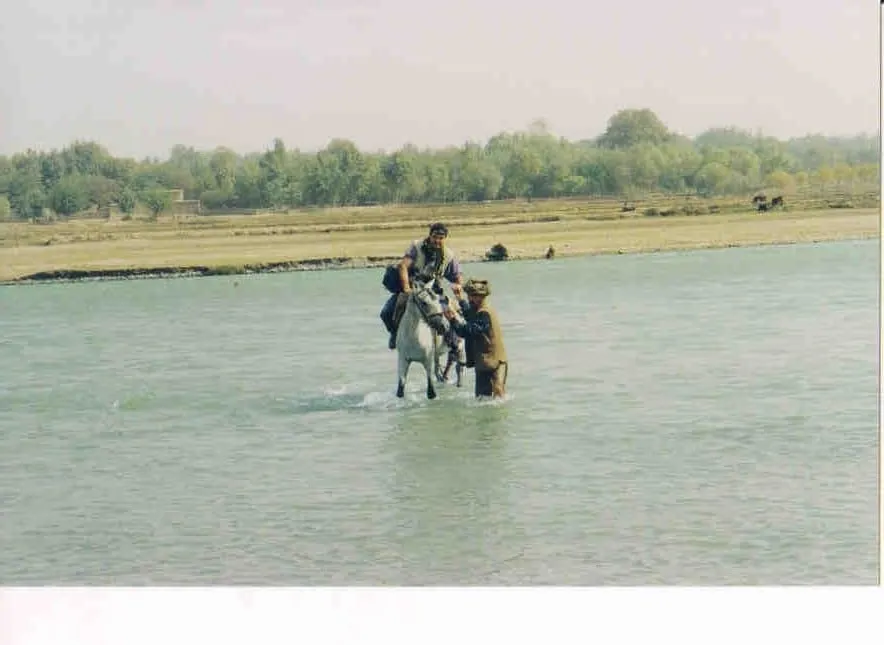
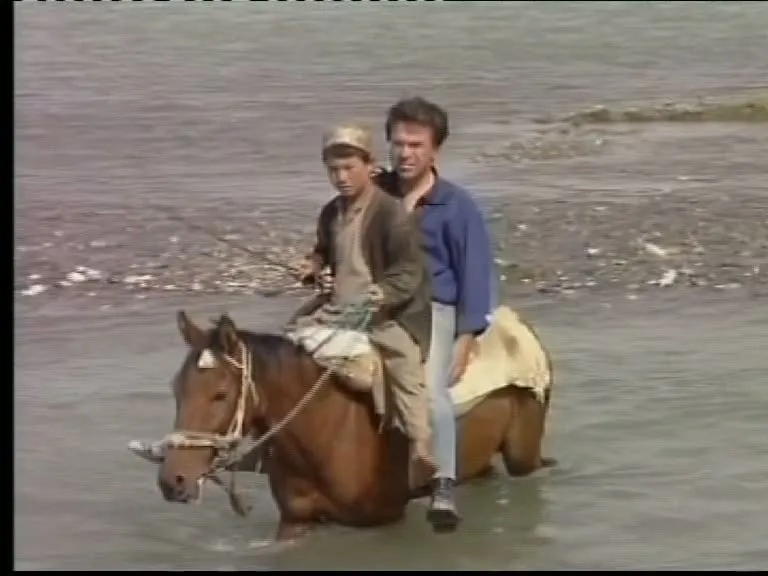
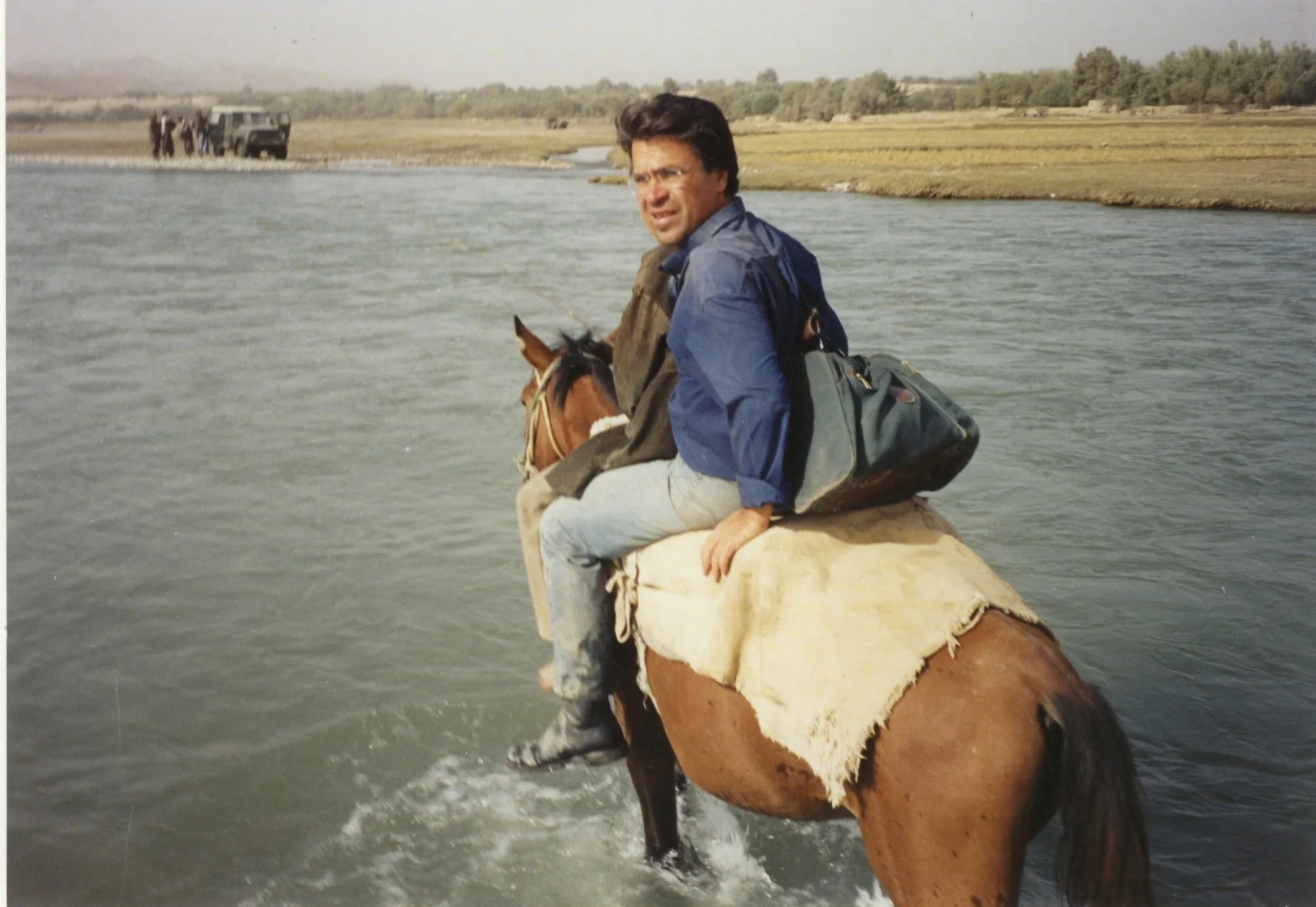
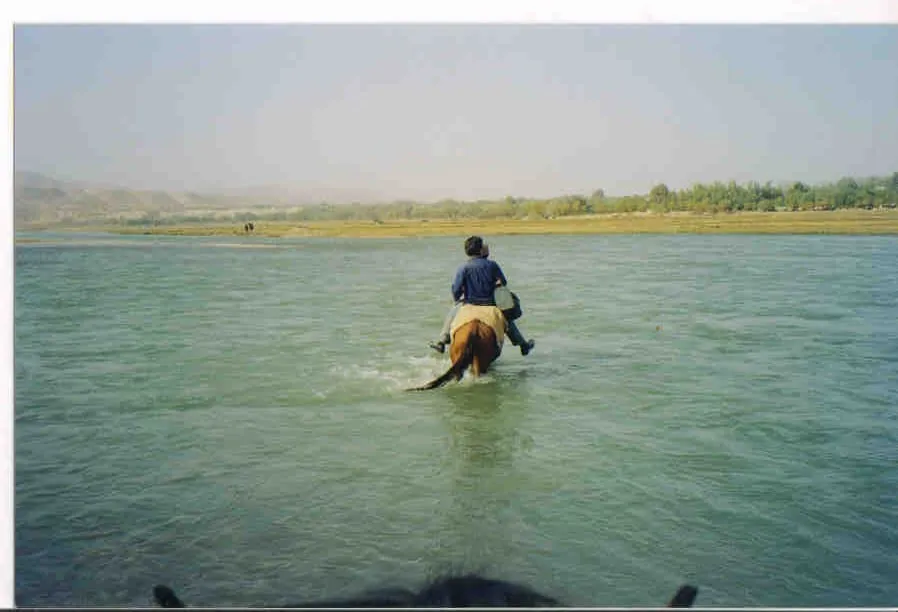
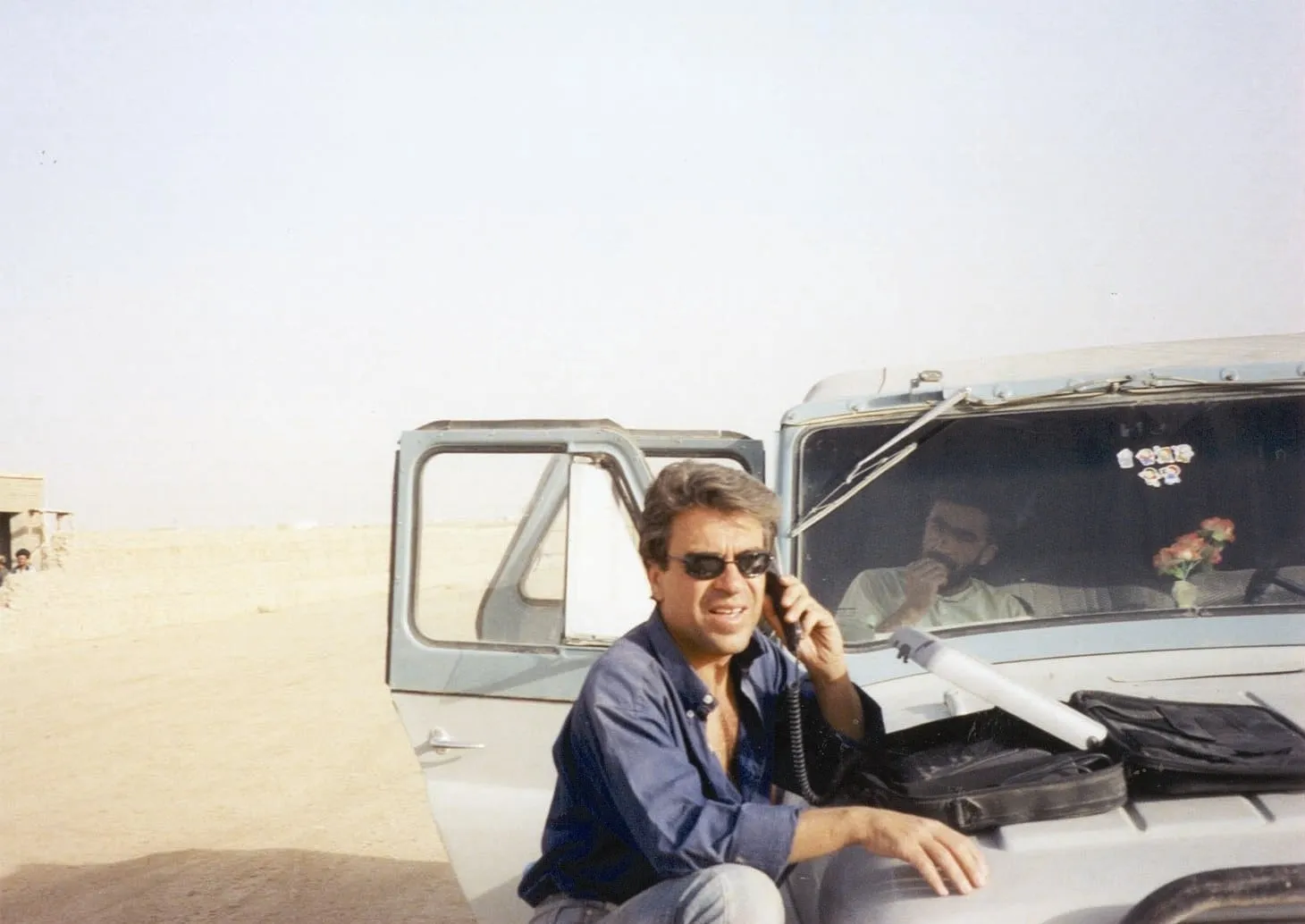
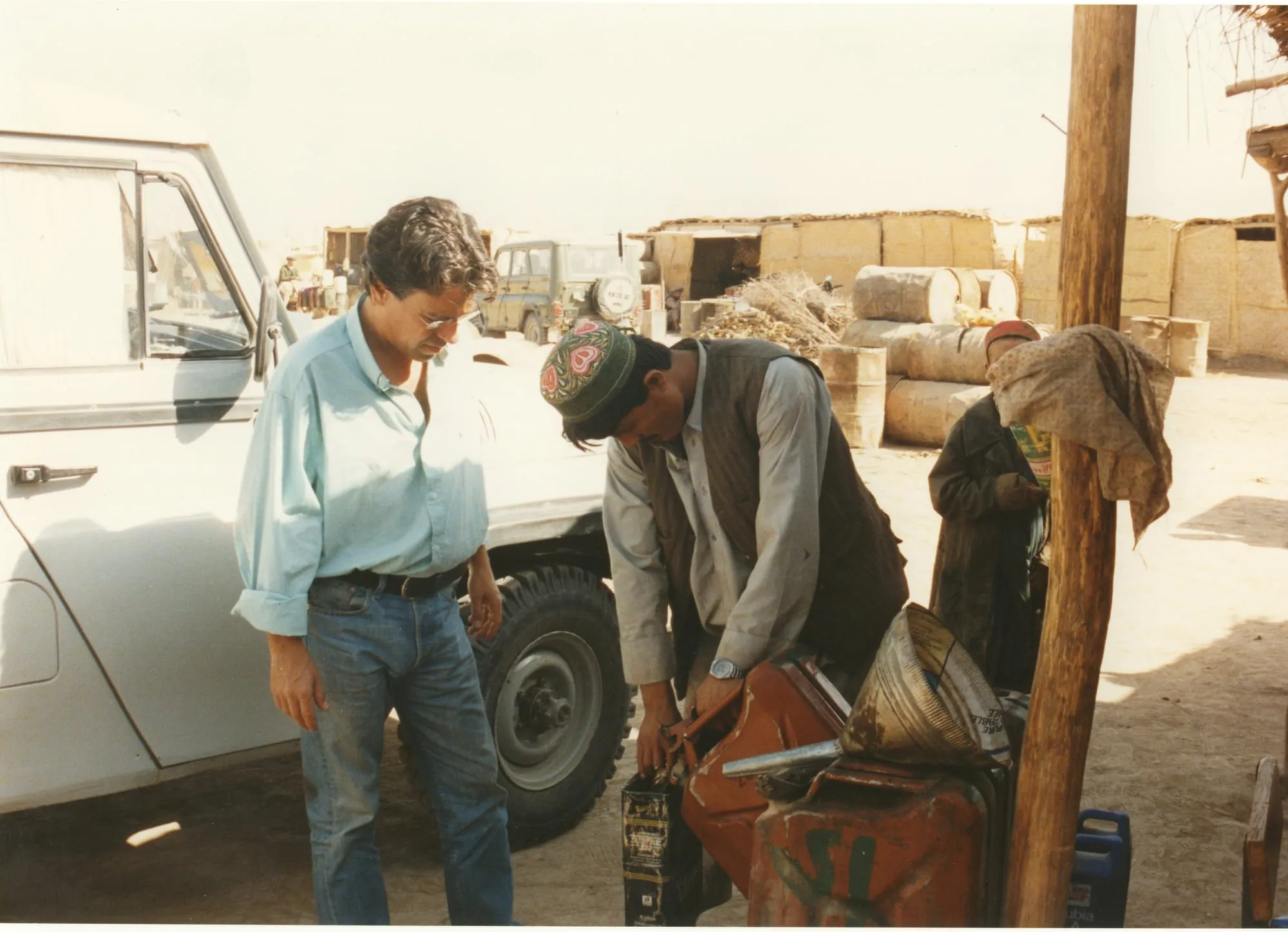
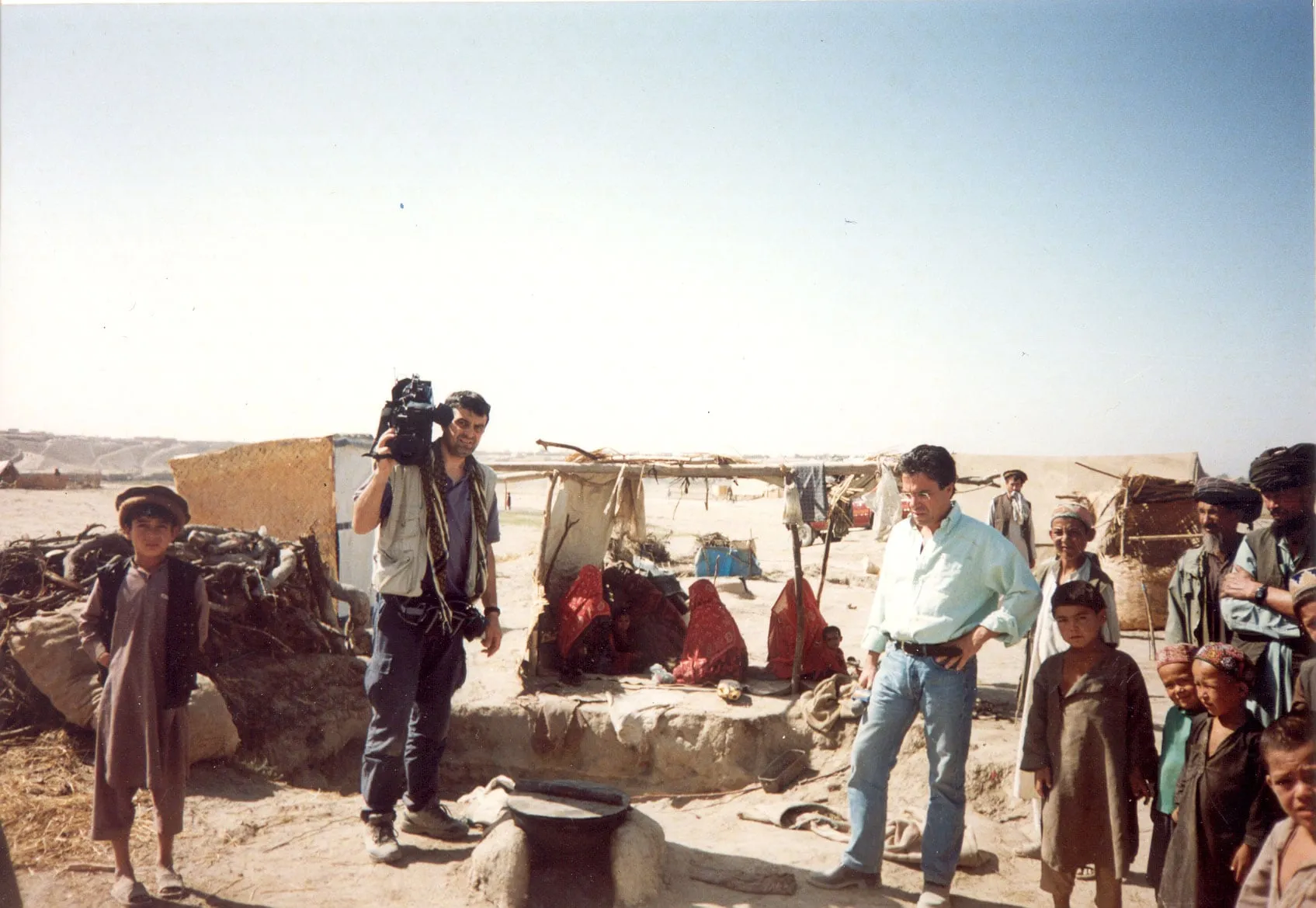
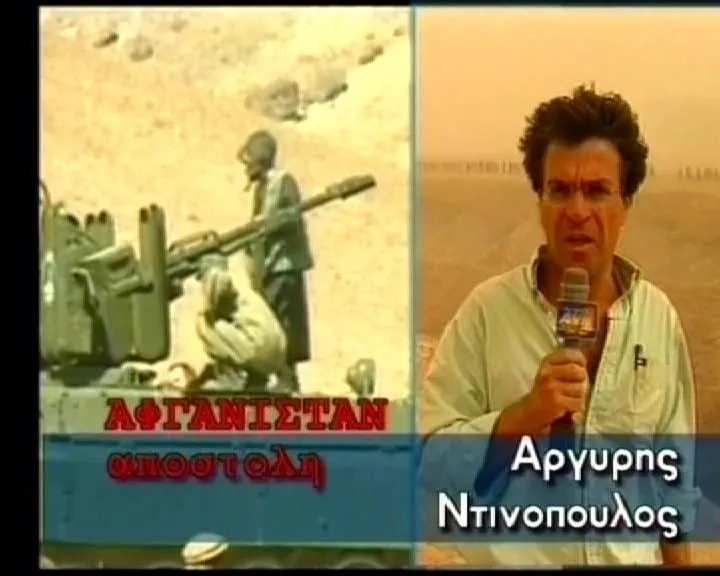
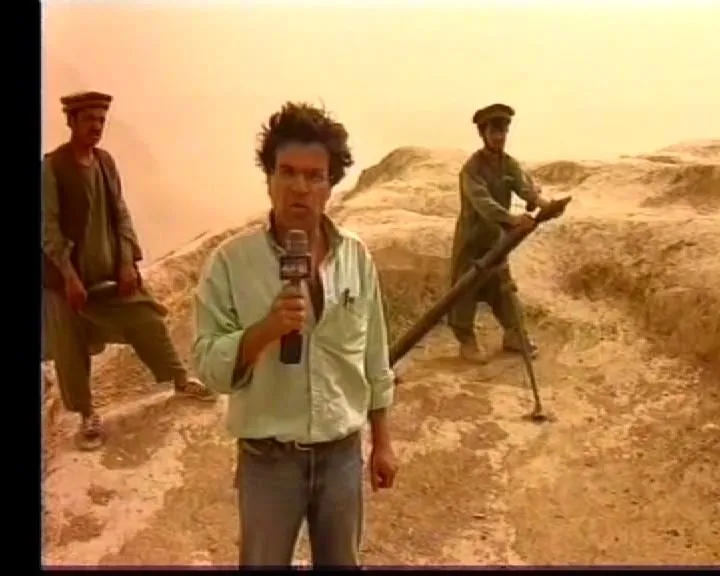
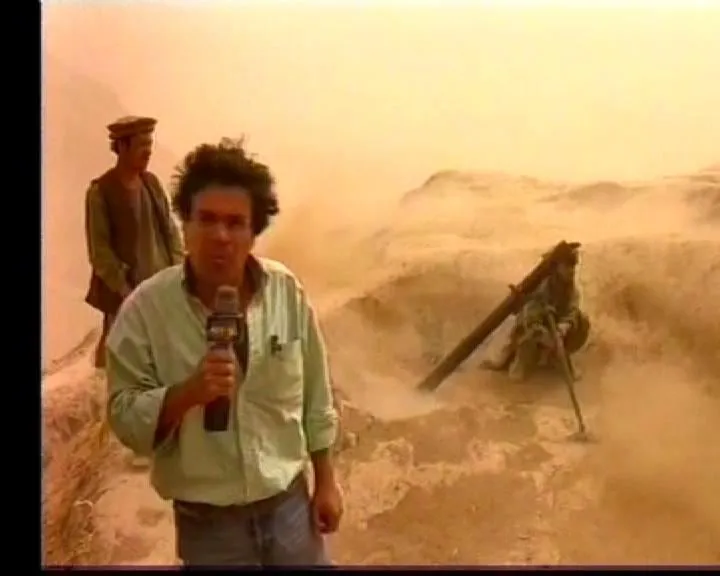
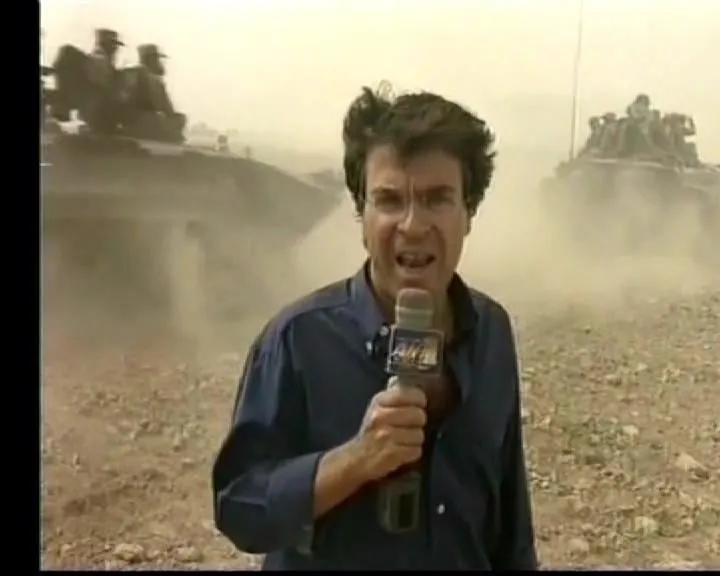
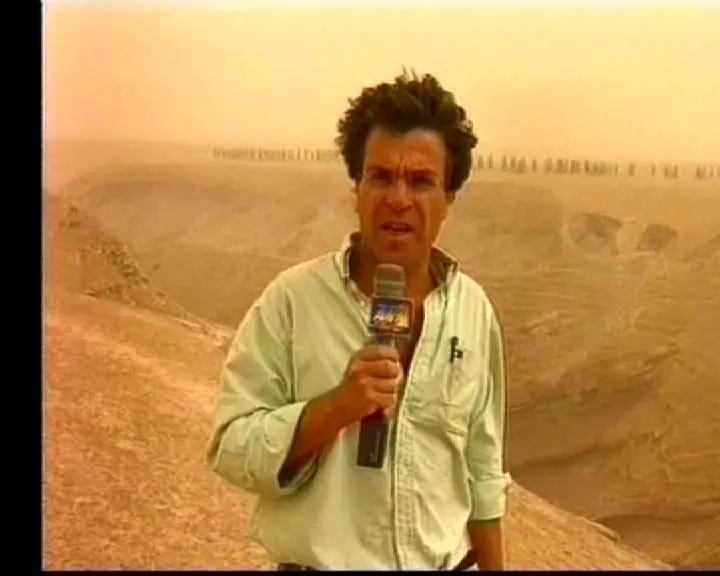
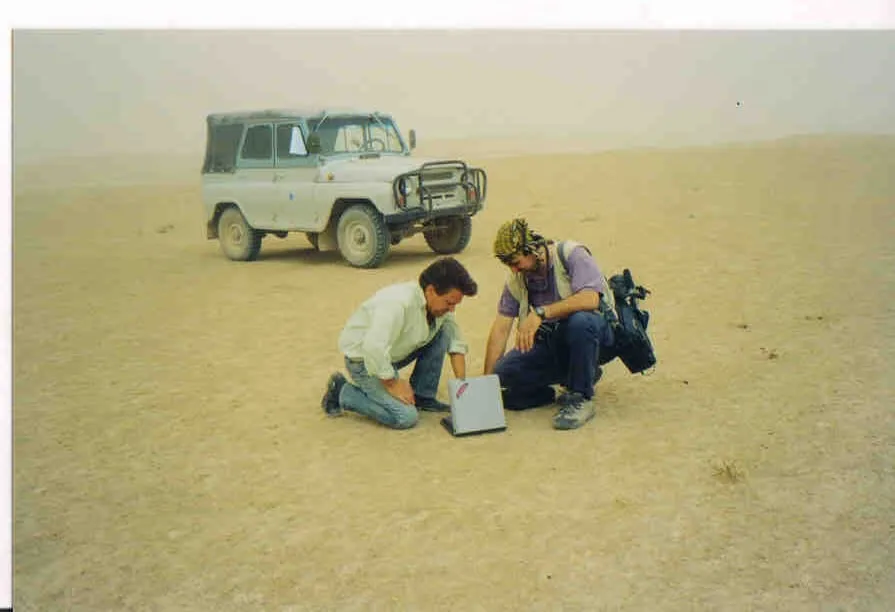
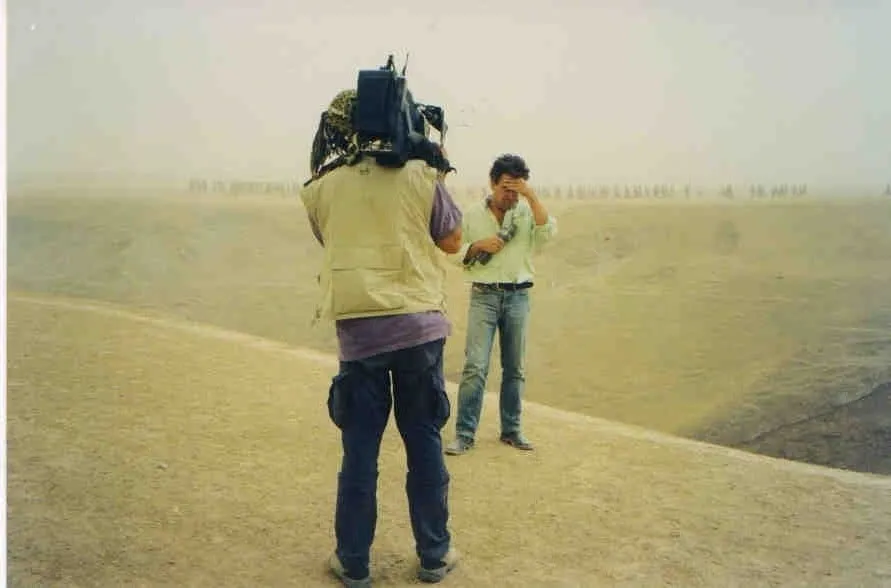
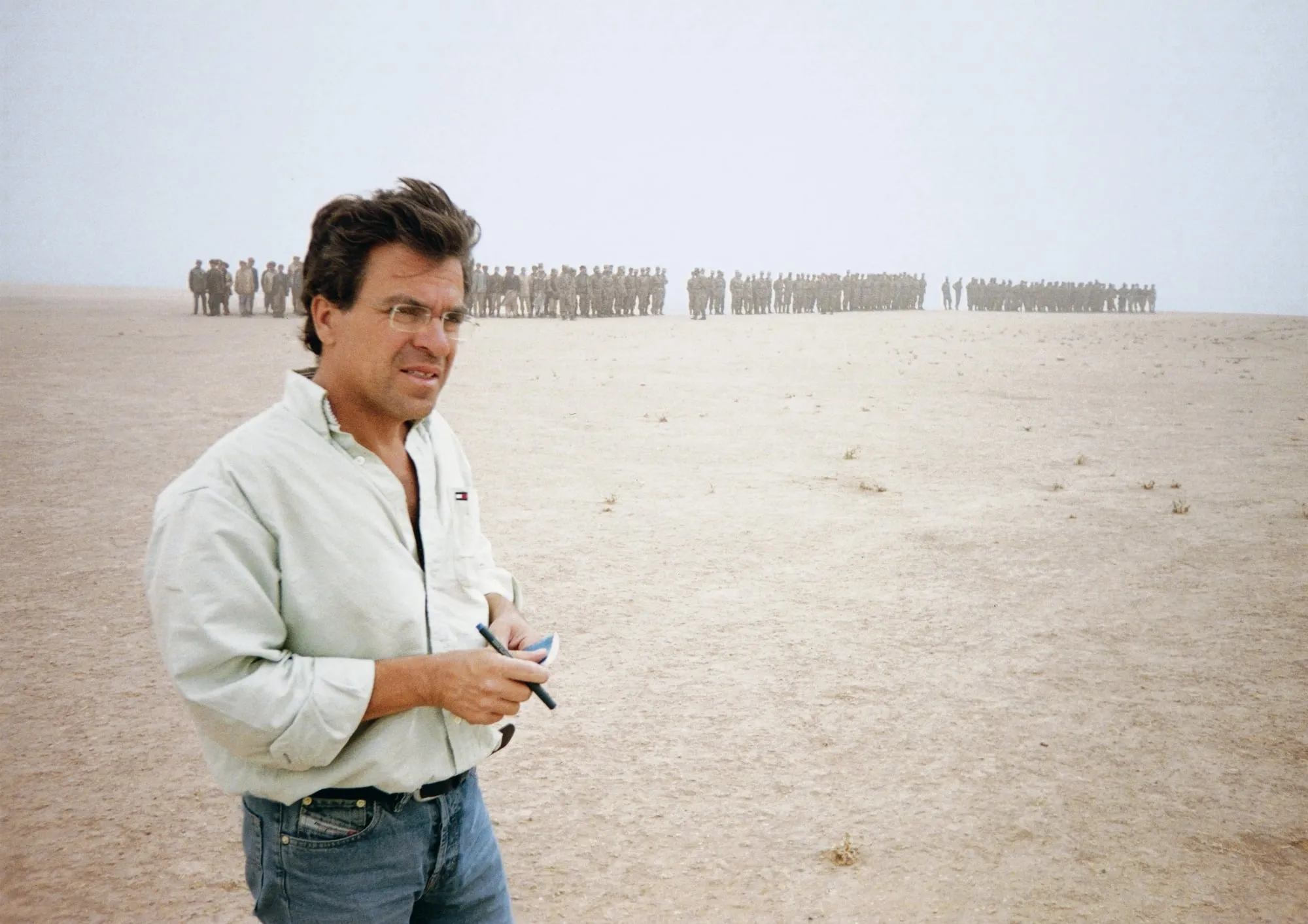
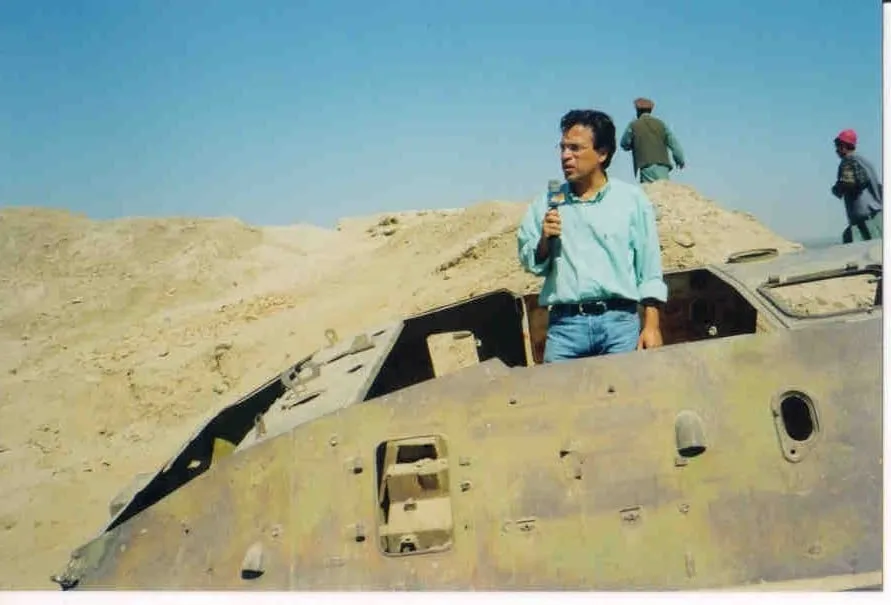
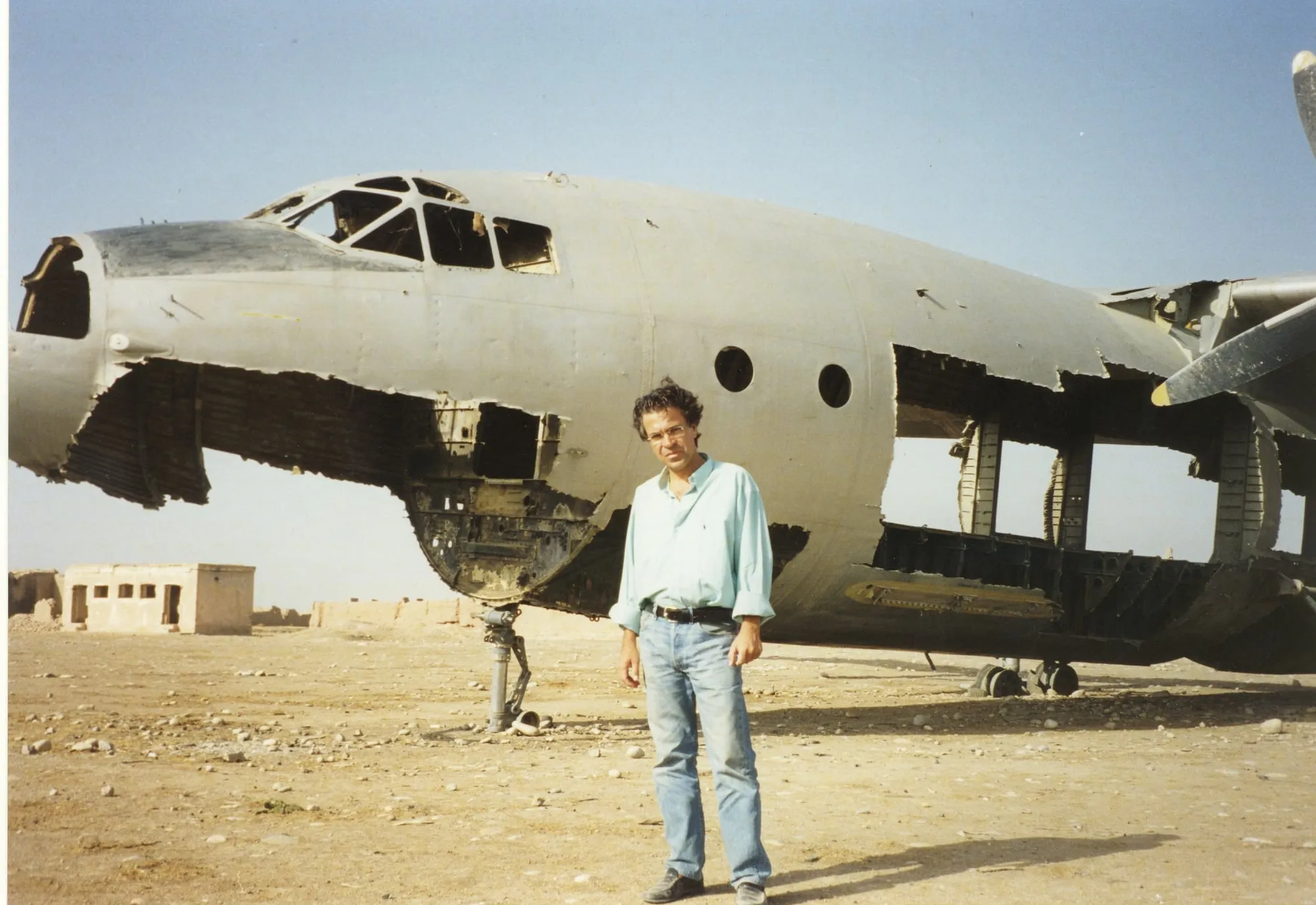
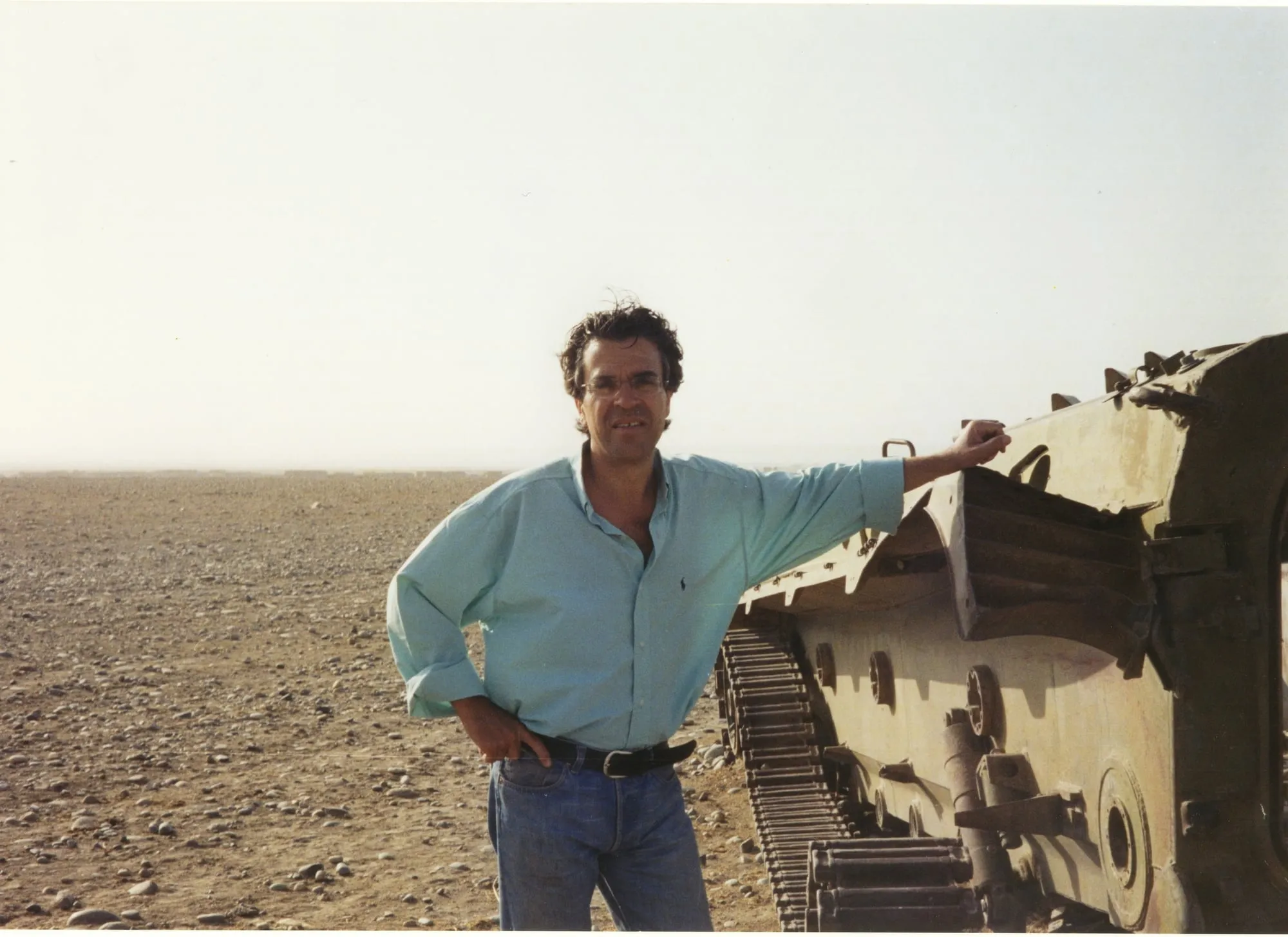
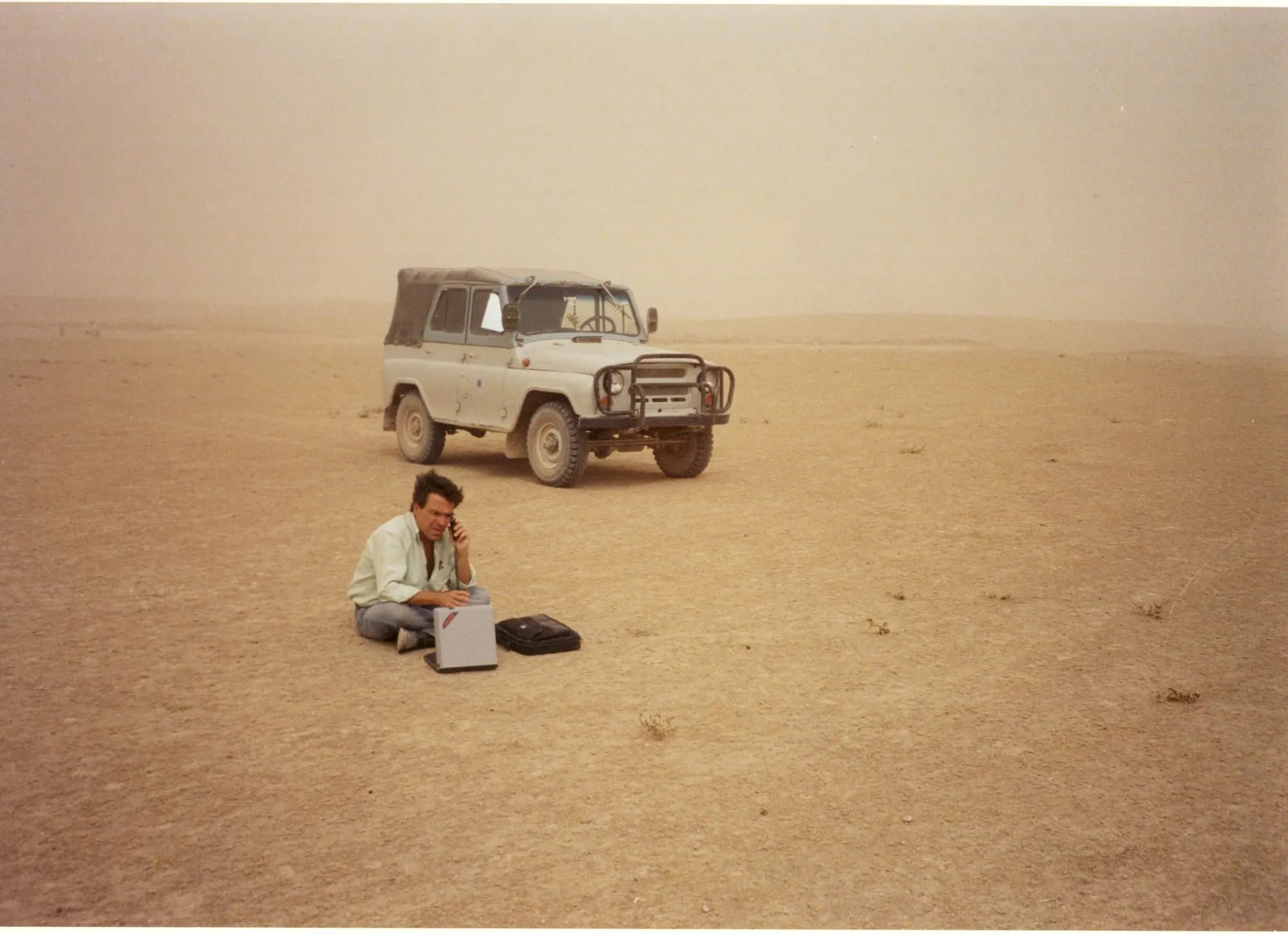
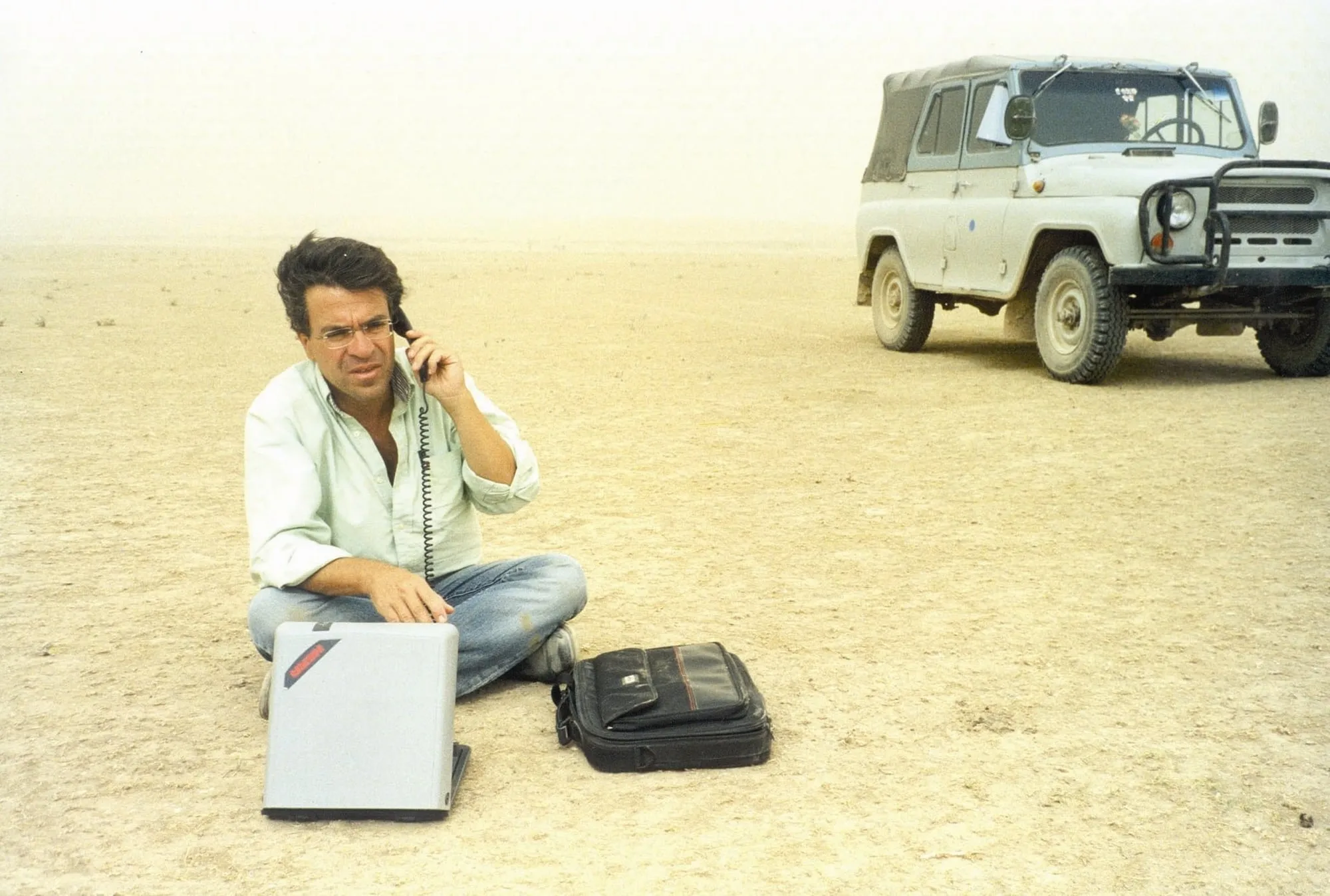
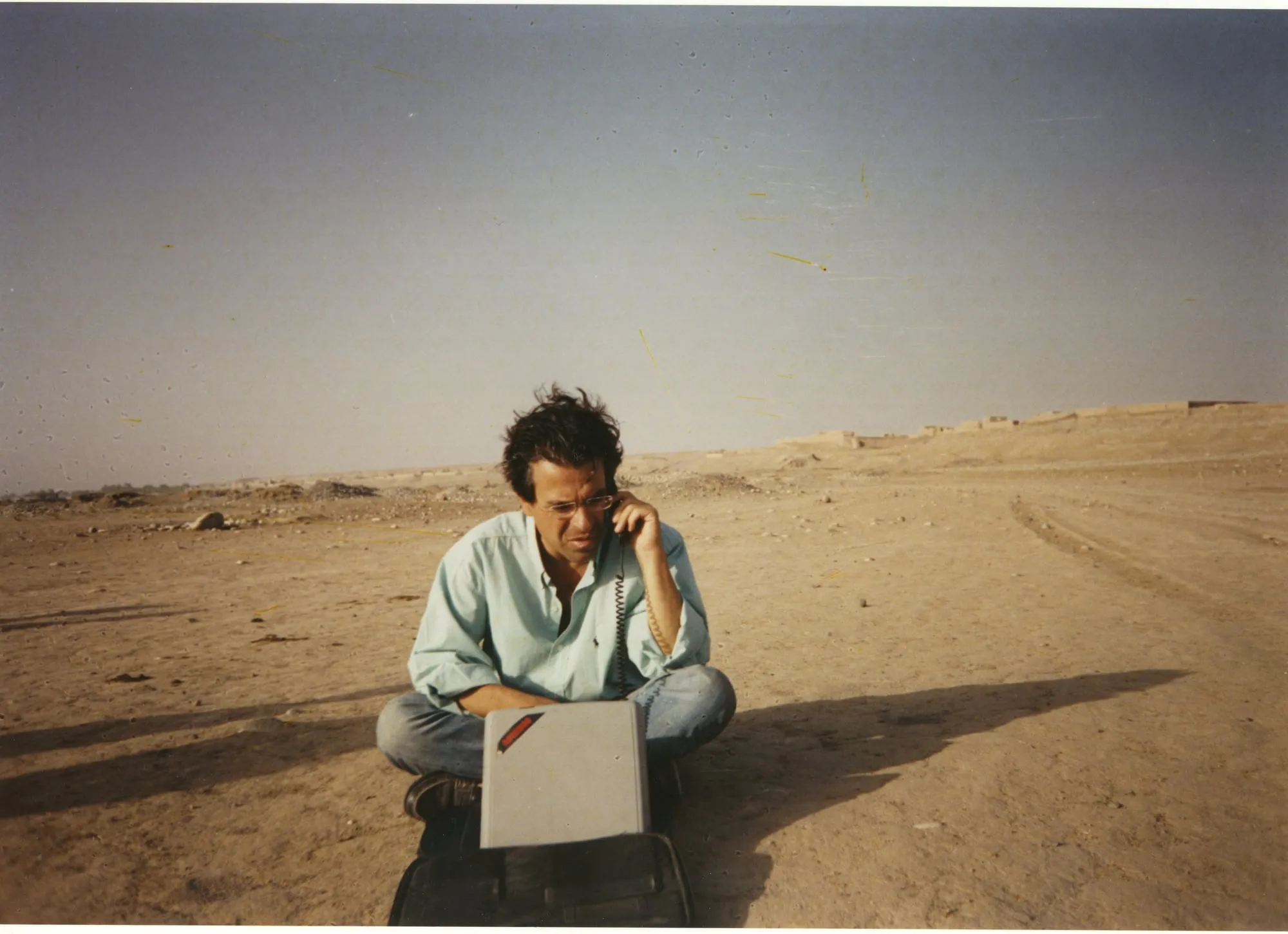
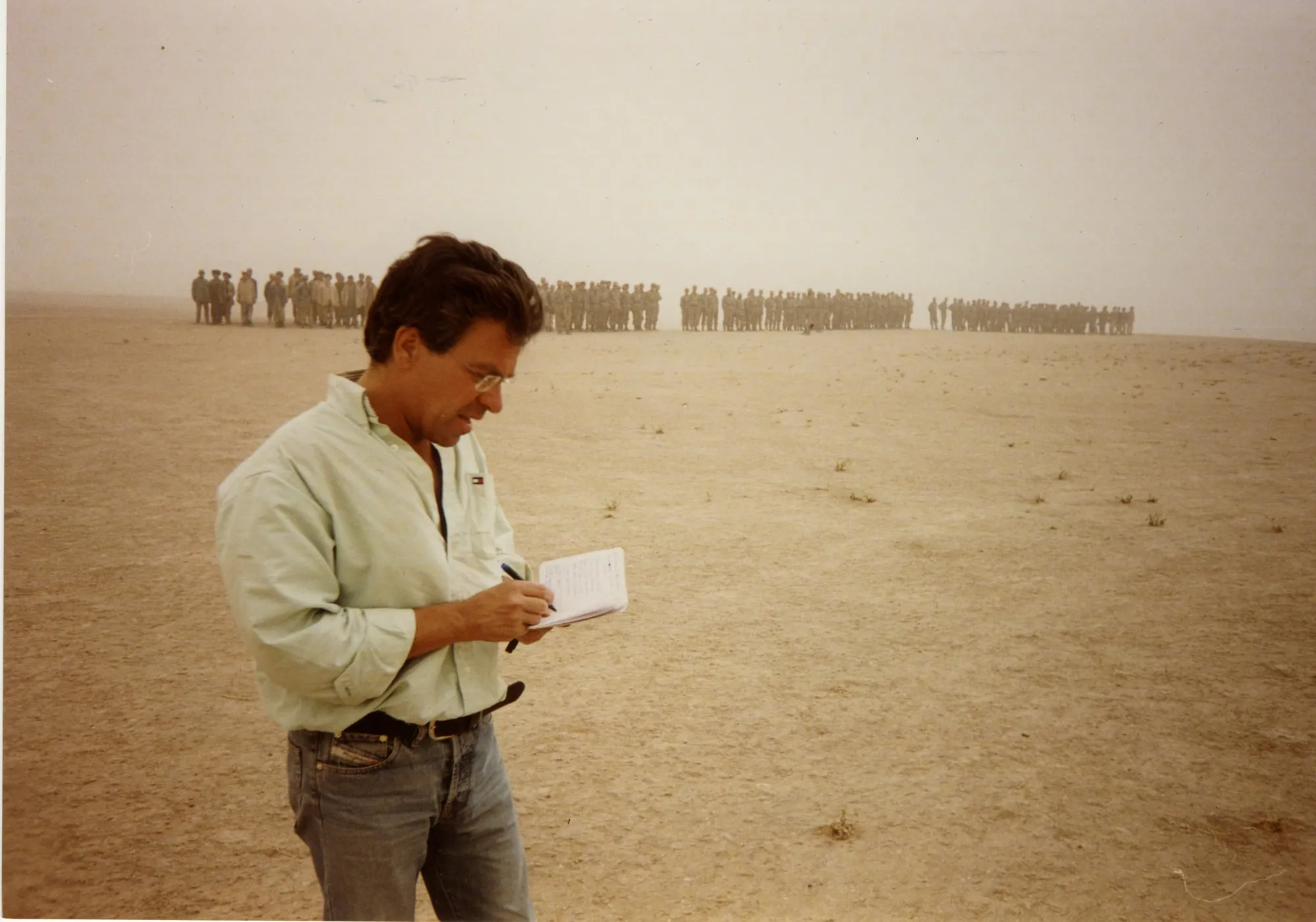
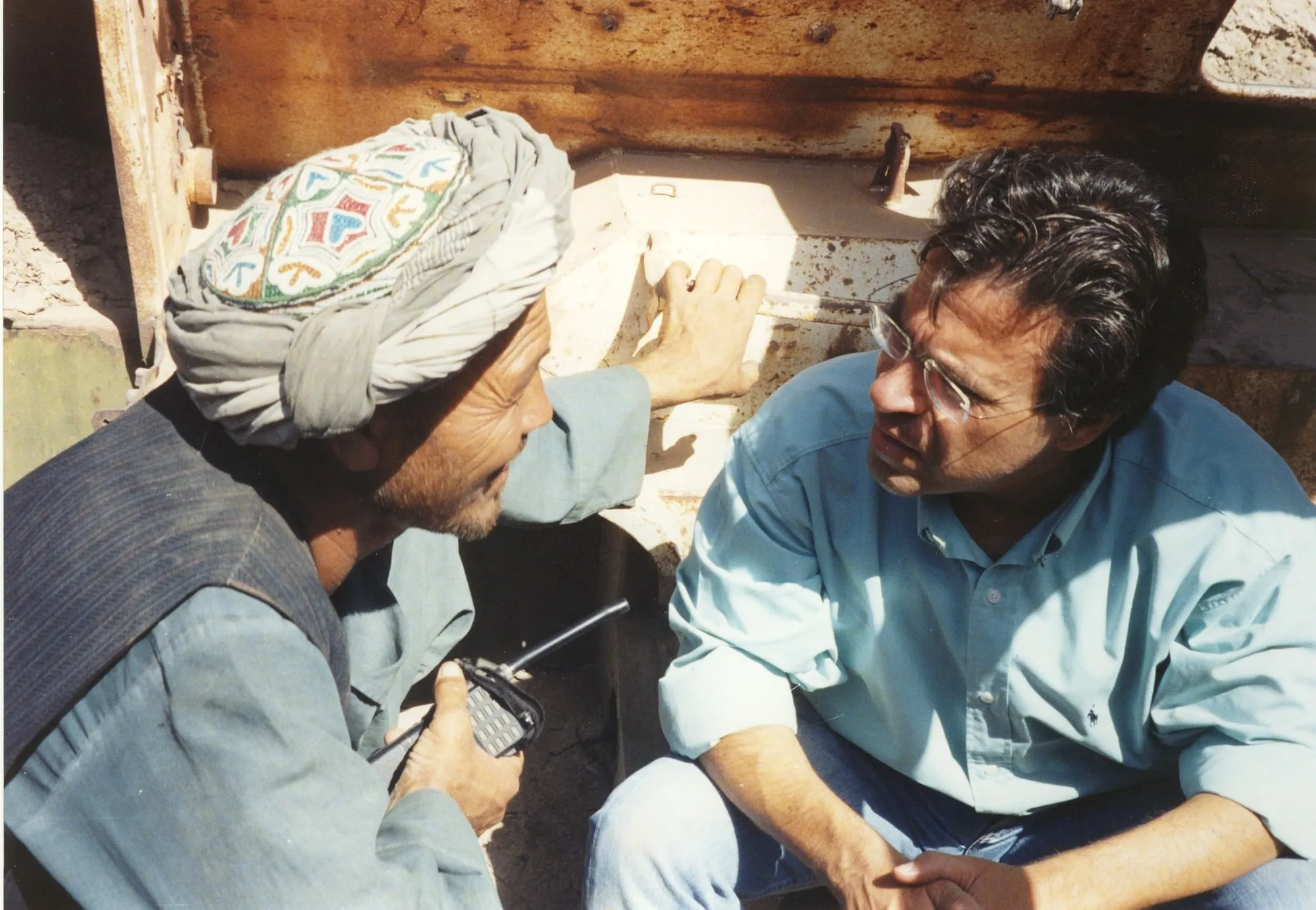
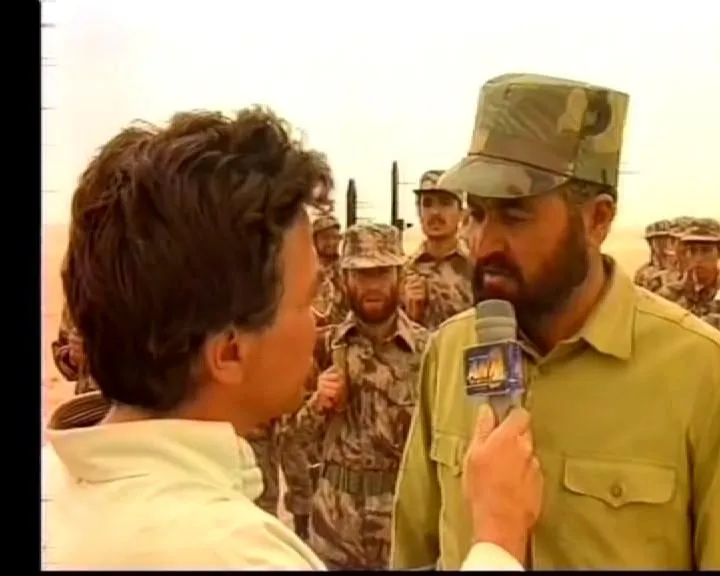
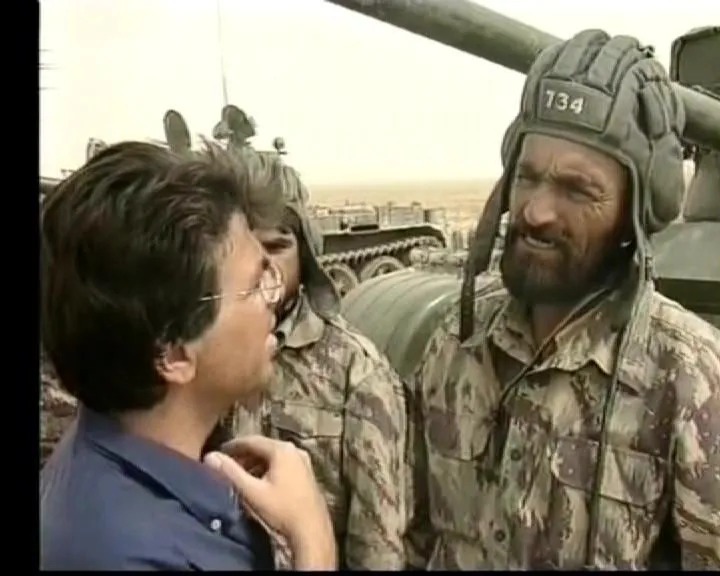
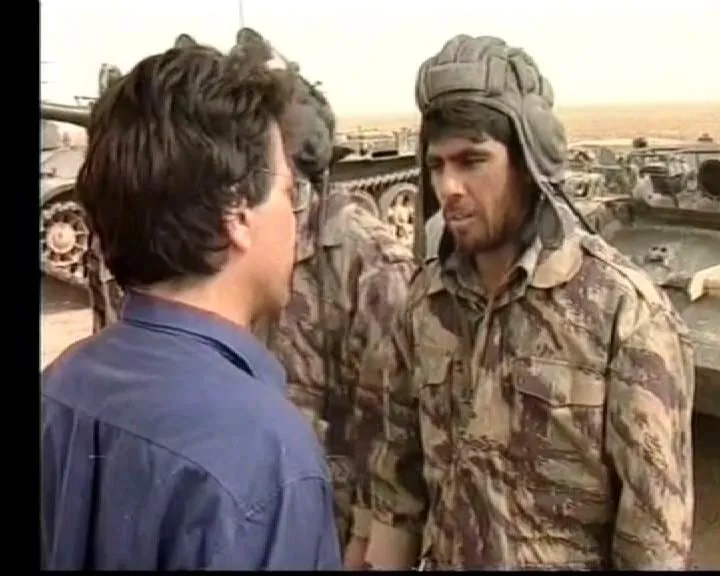
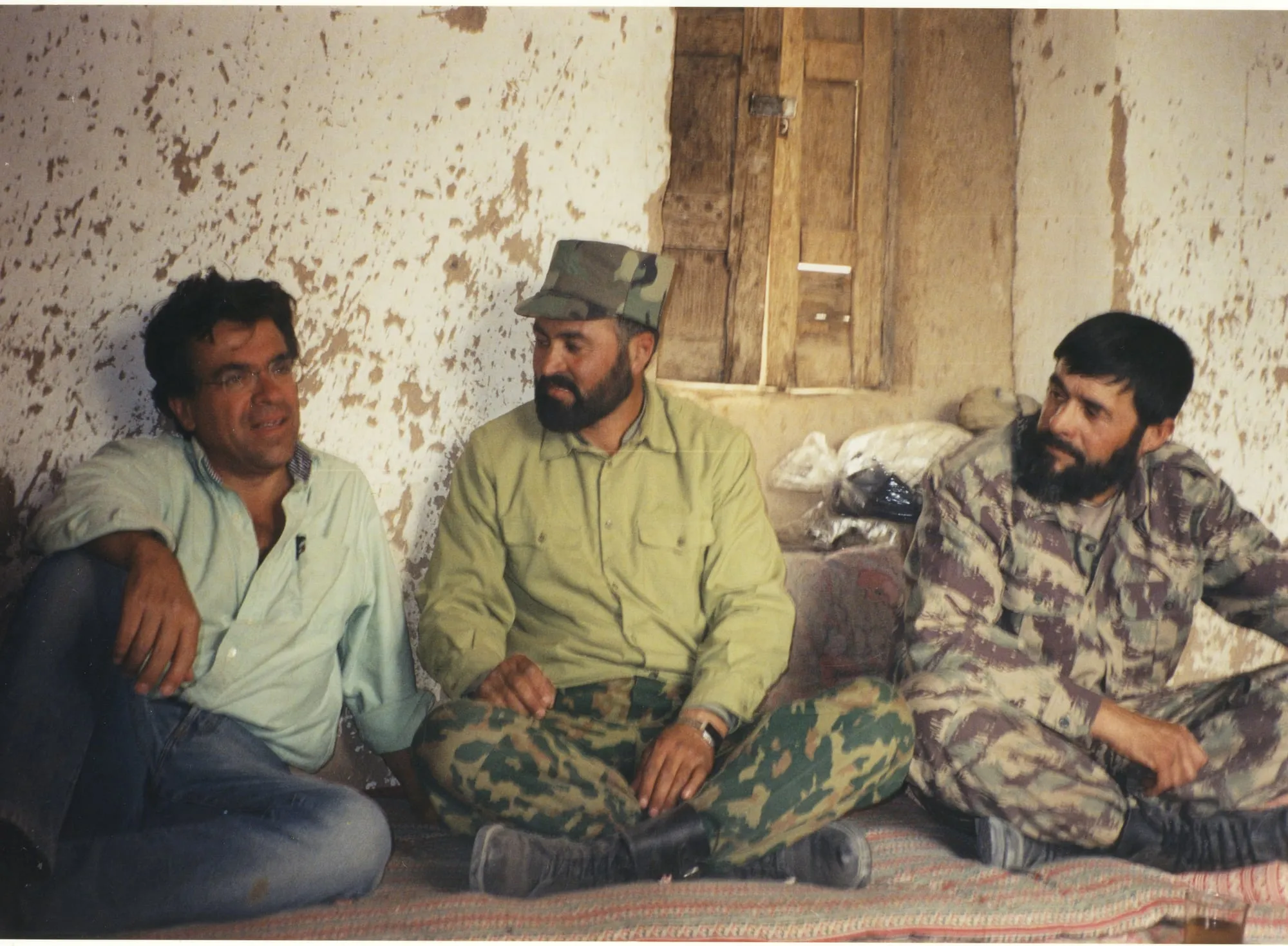
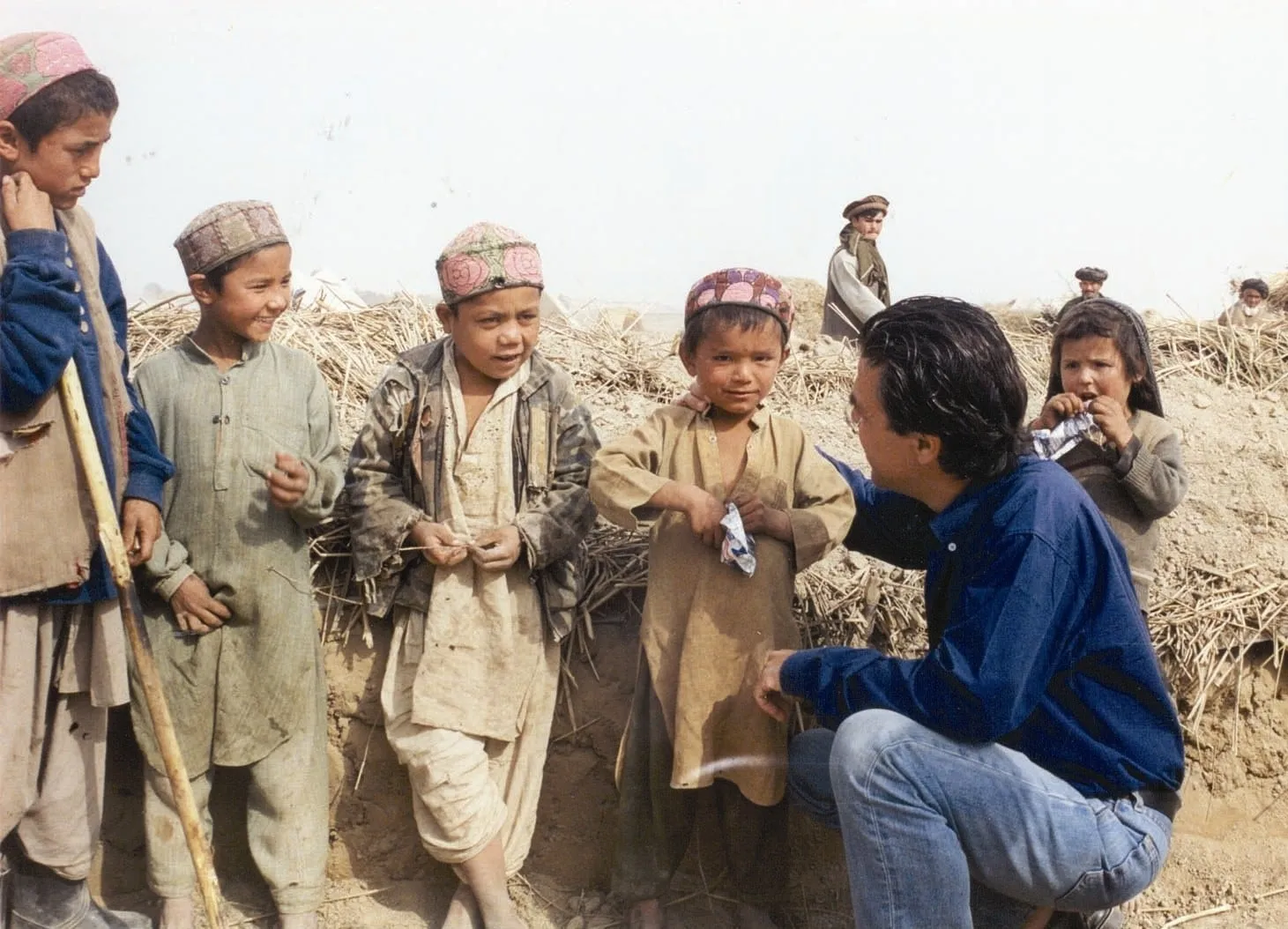
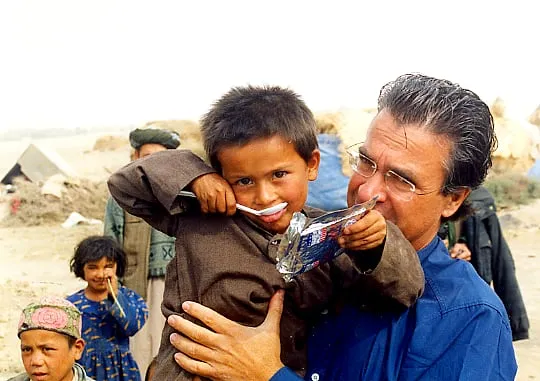
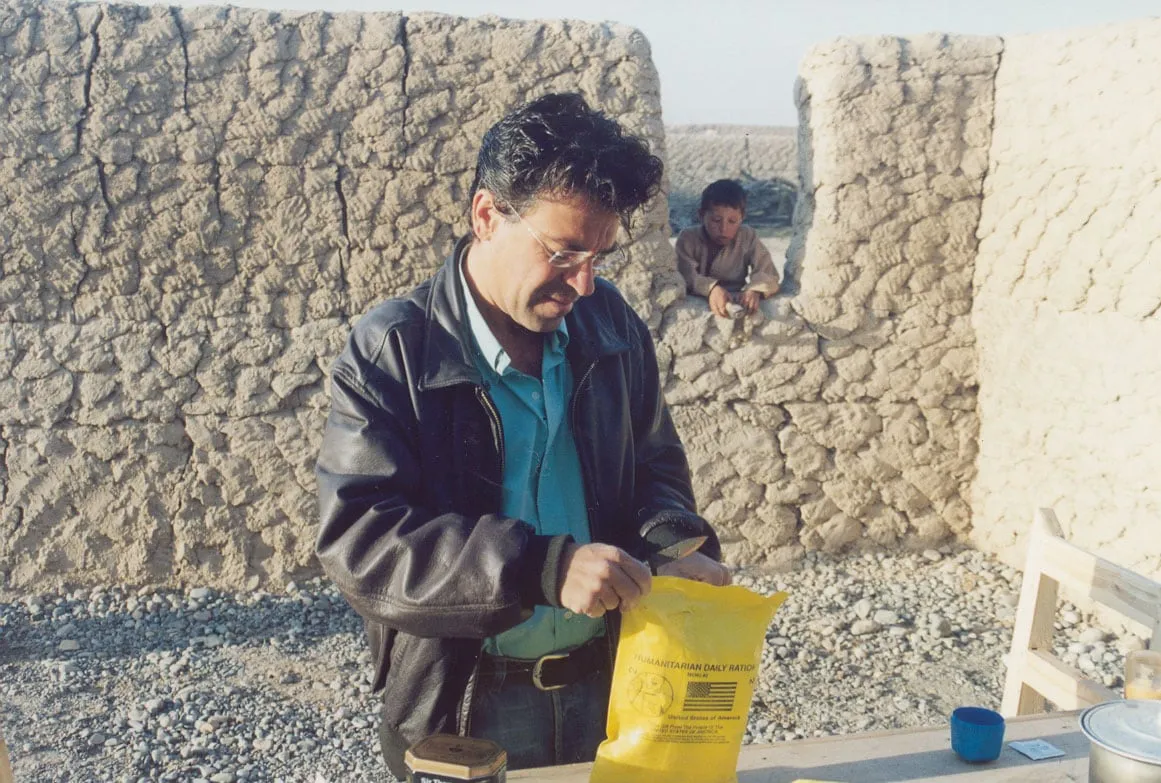
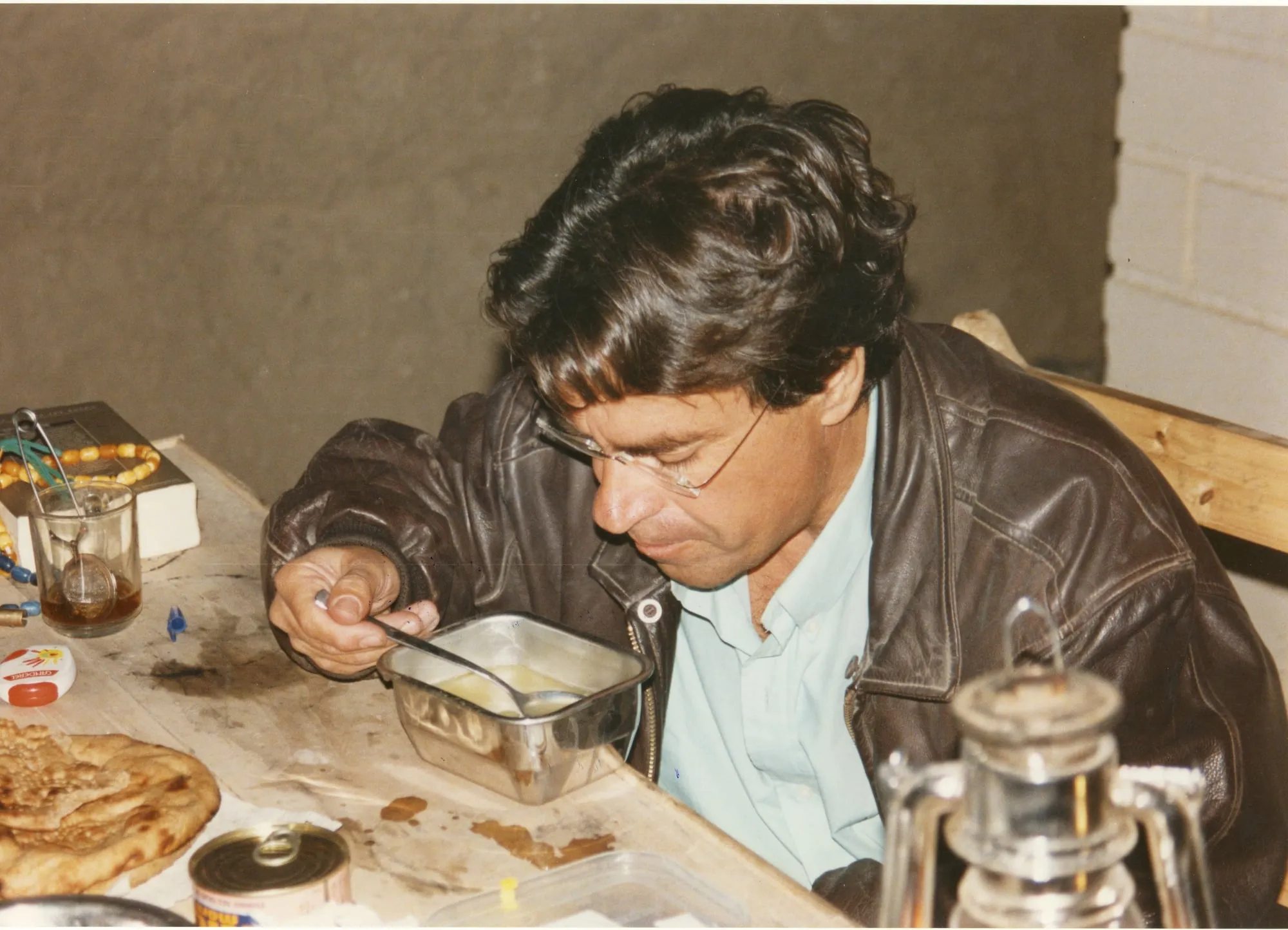
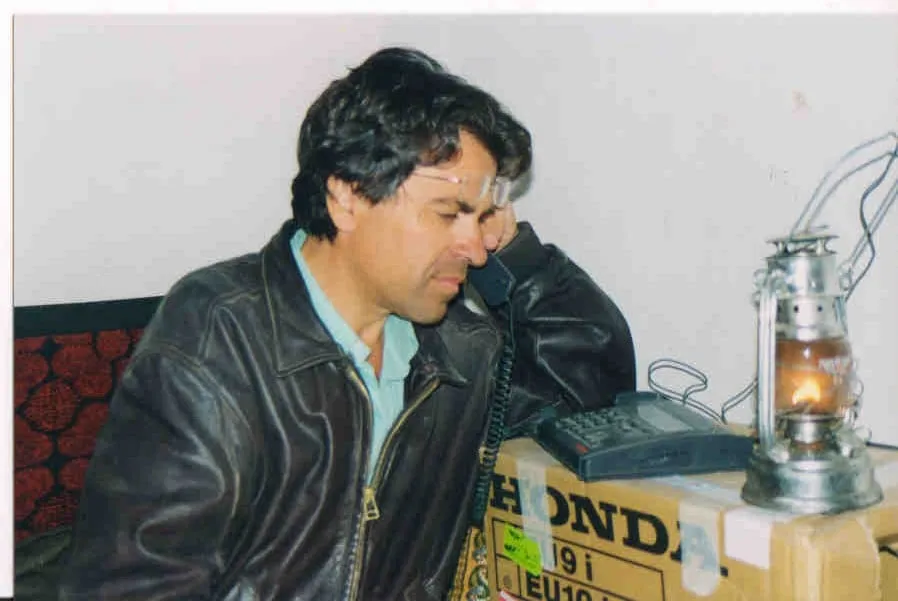
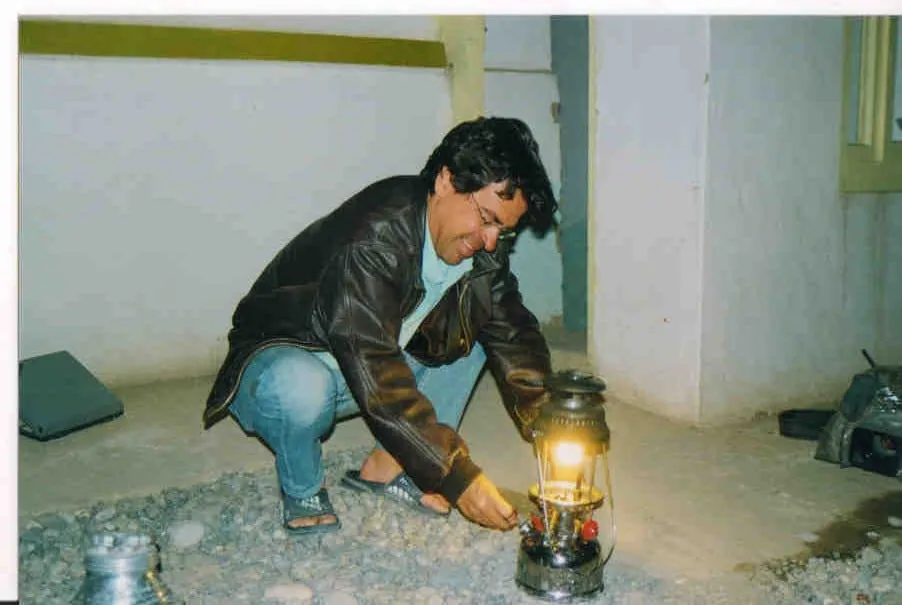
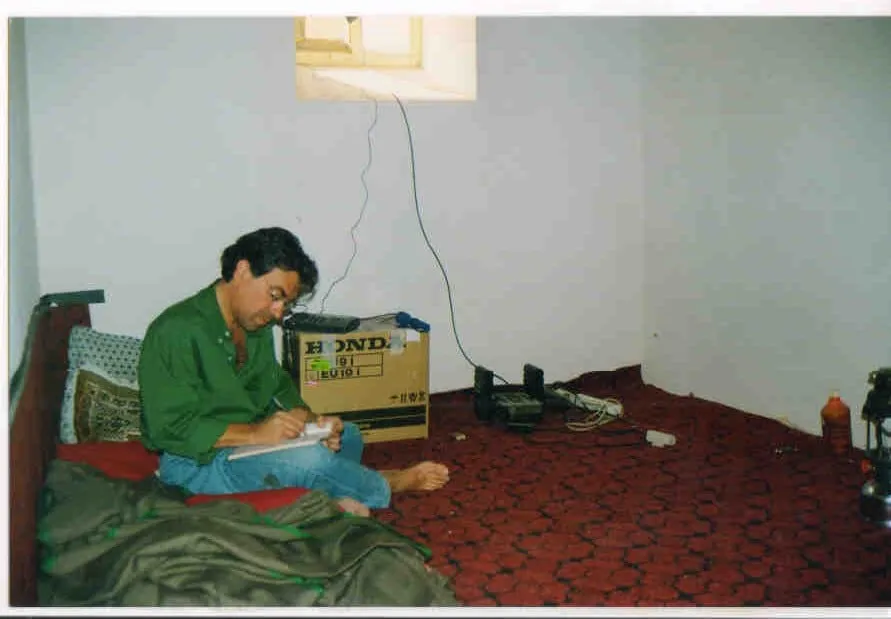
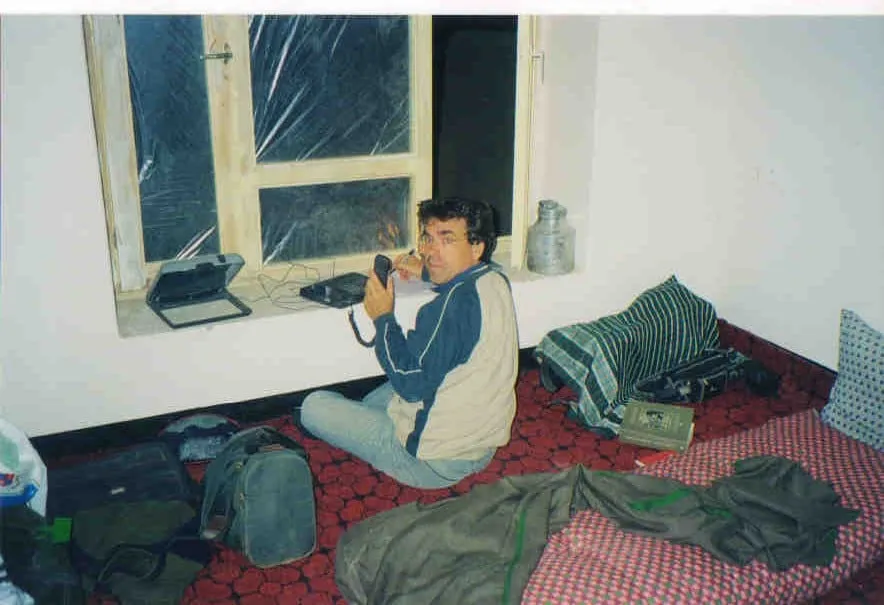
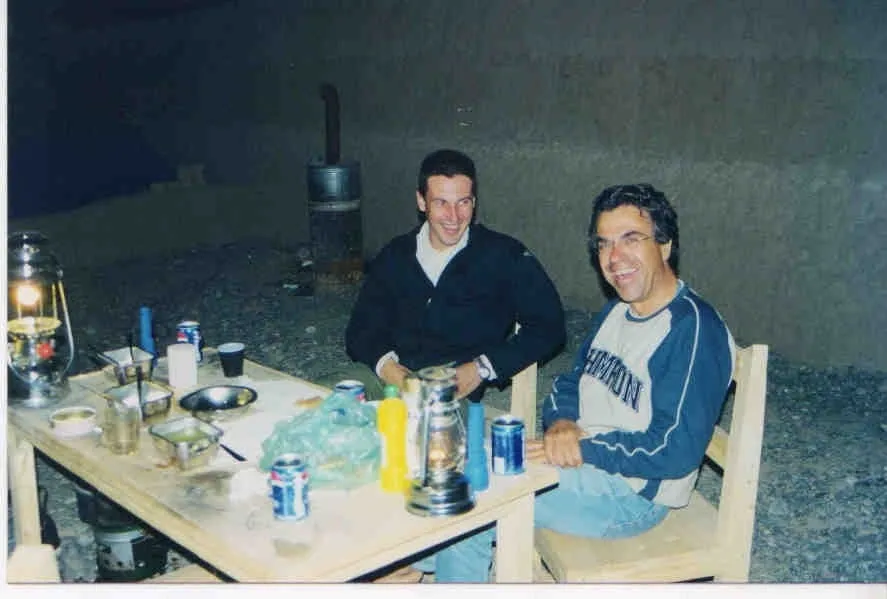
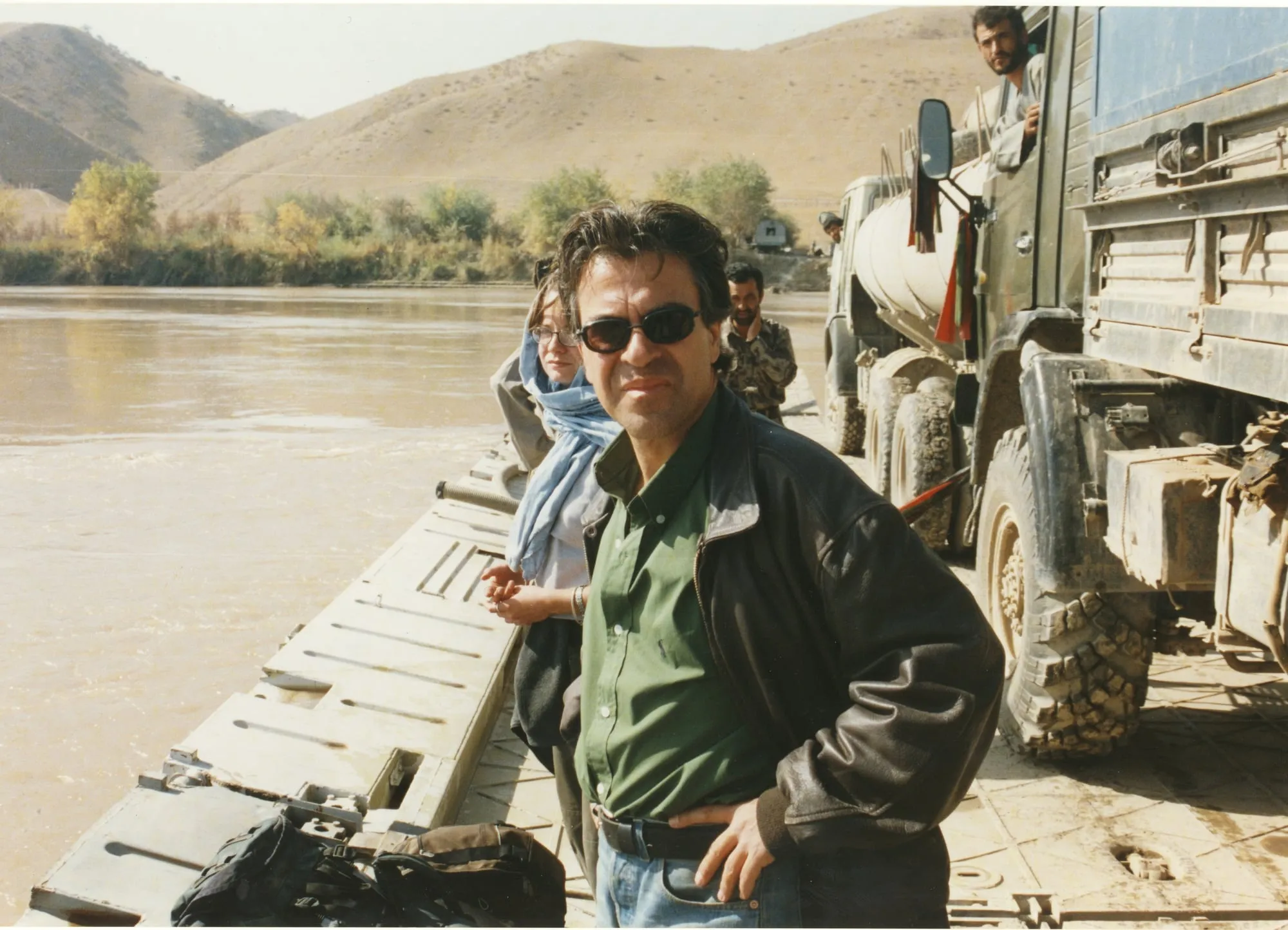
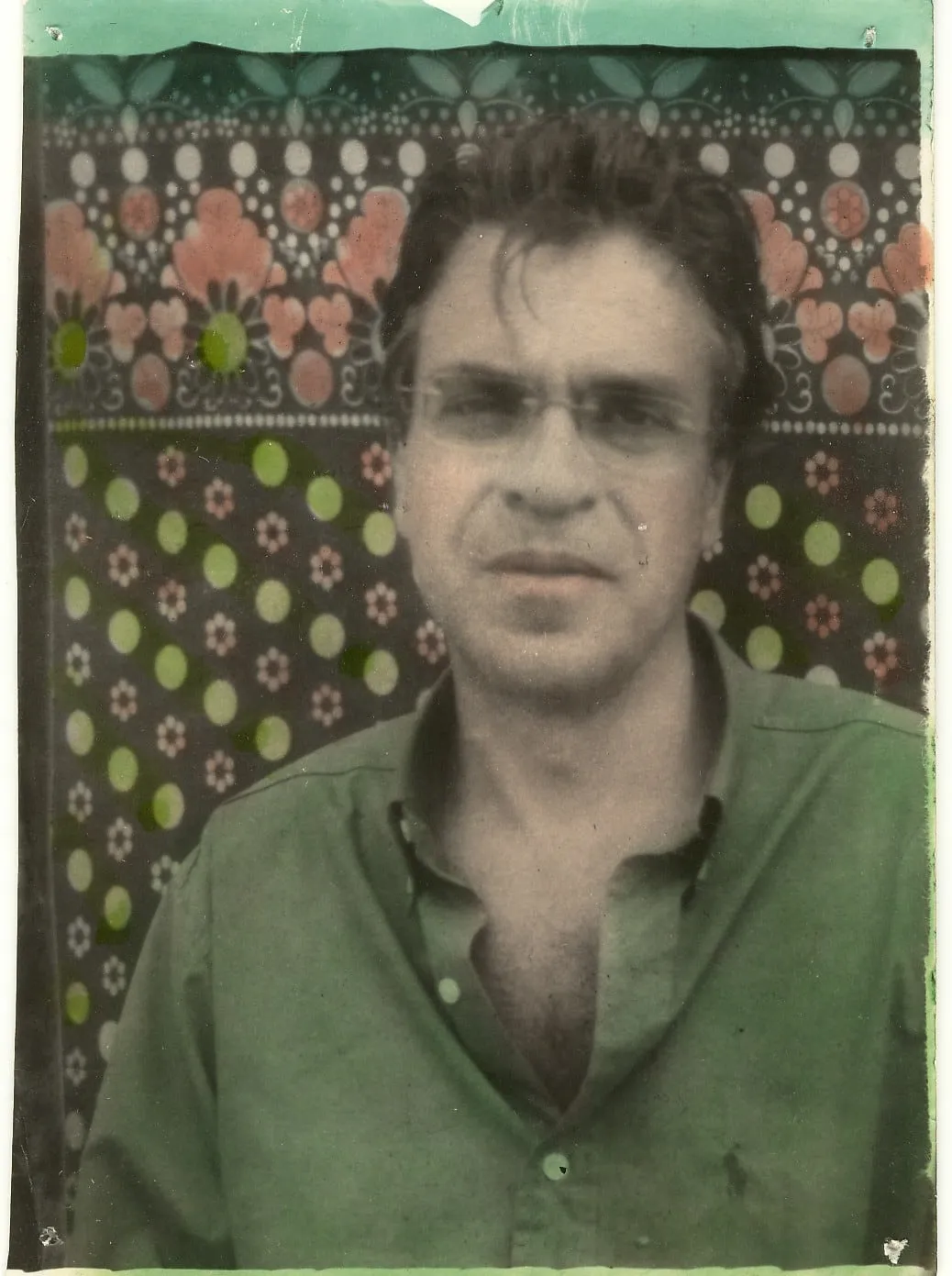
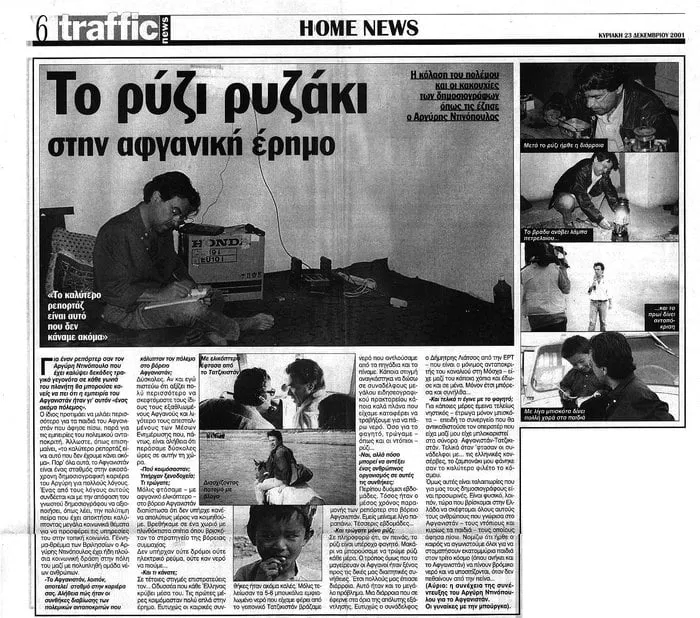
Two months in northern Afghanistan with the Northern Alliance, from September to November 2001. The dossier brings together the central documentary of the assignment, the longer personal documentary on the life of the news team at the front, and the individual war reports, alongside the photographs from the desert. His own account of the assignment follows.
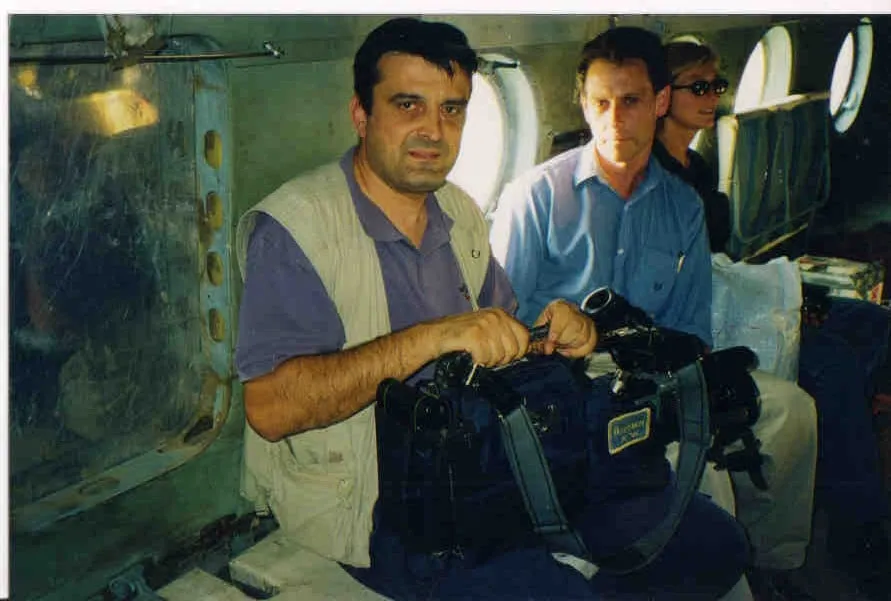
After the attack on the twin towers (9/11) and the start of American military operations in Afghanistan, Argyris Dinopoulos and the cameraman Kostas Liliabtis set out, in September 2001, for northern Afghanistan, where the troops of the so-called Northern Alliance were operating against the Taliban.
The rest of his account
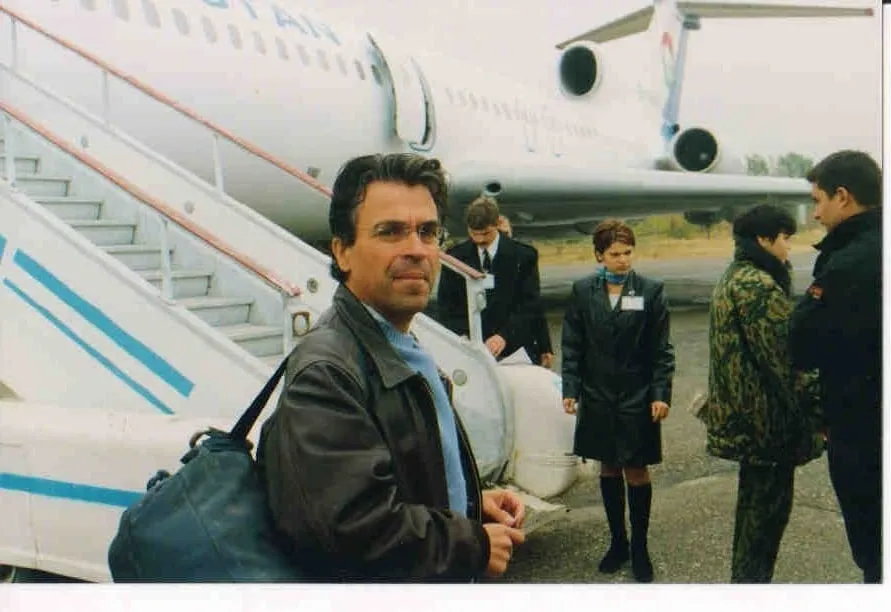
The journey went by way of Moscow where, after a two-day wait — during which there were exhaustive checks by the Russian services — permission was granted to fly on to Tajikistan and its capital, Dushanbe.
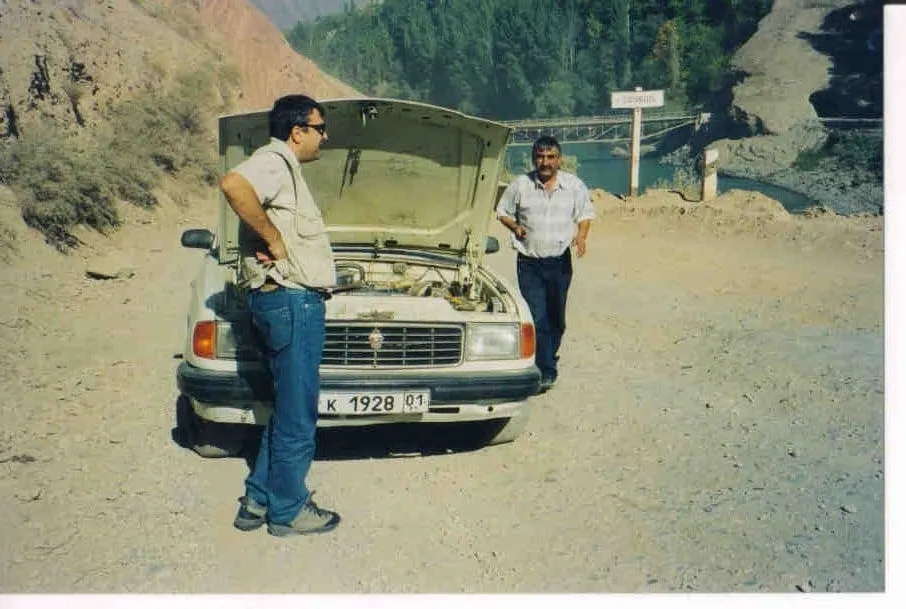
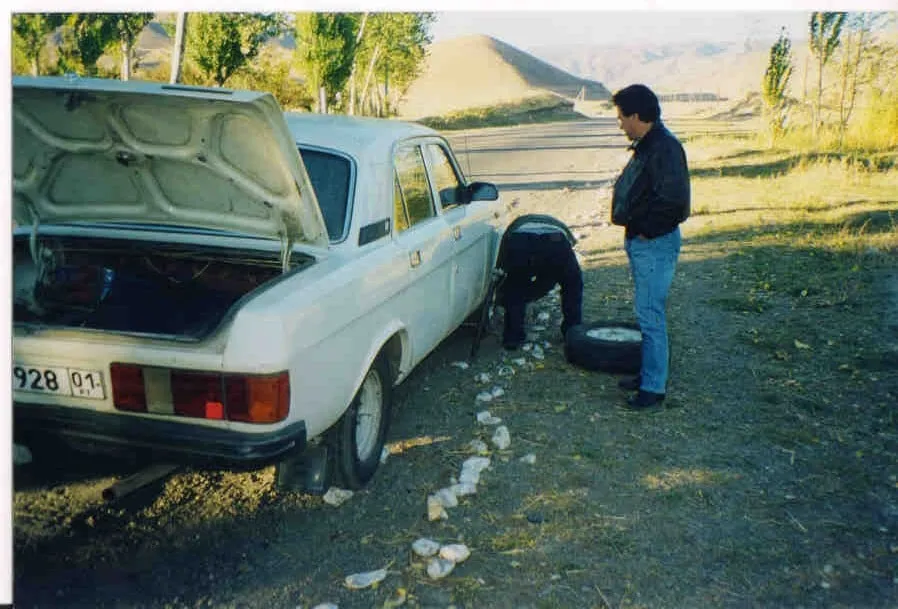
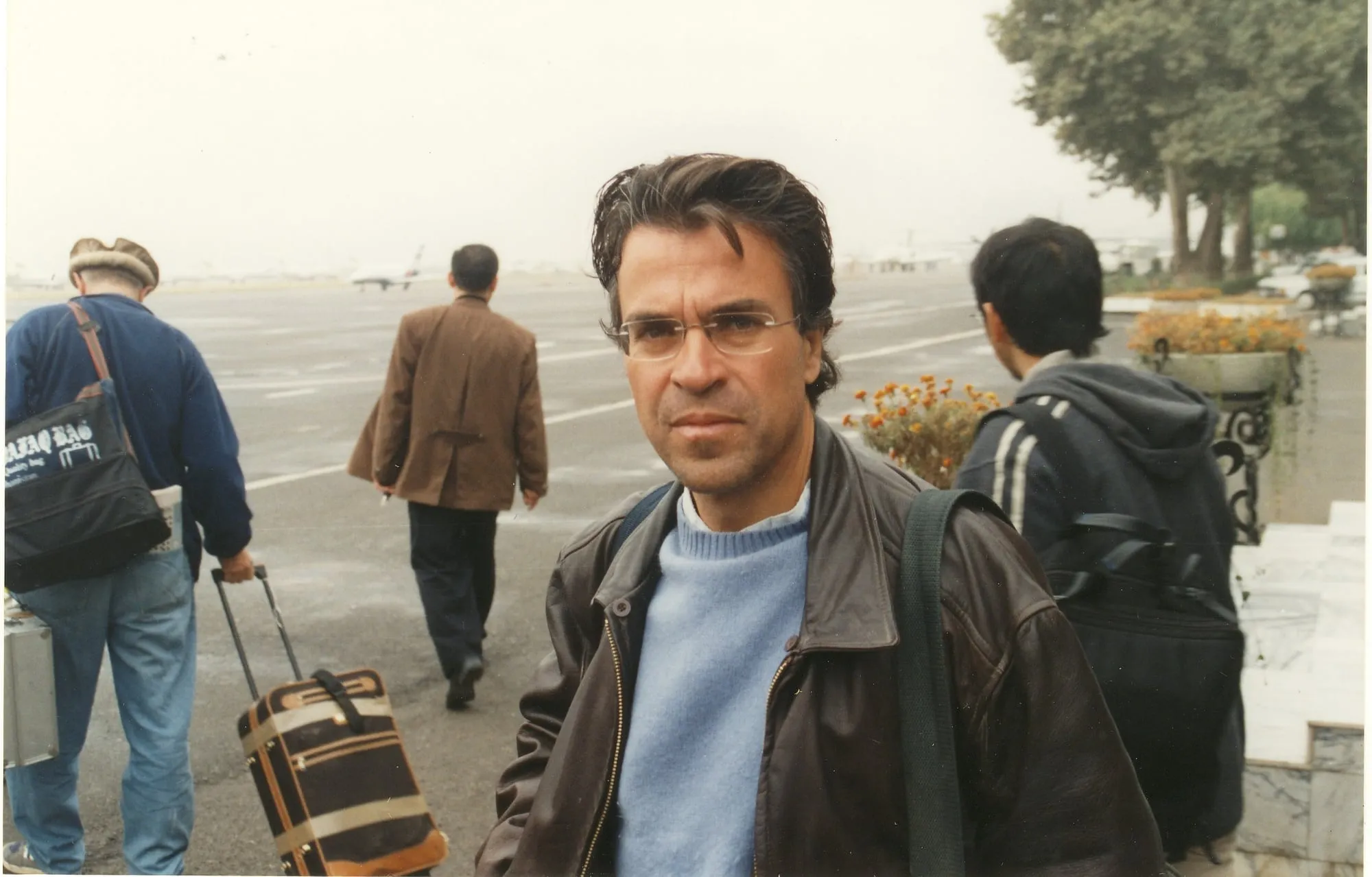
Equally strict checks in Dushanbe, and then by road to the border with Afghanistan, where access — partly because of the terrain — could only be had «from the air».
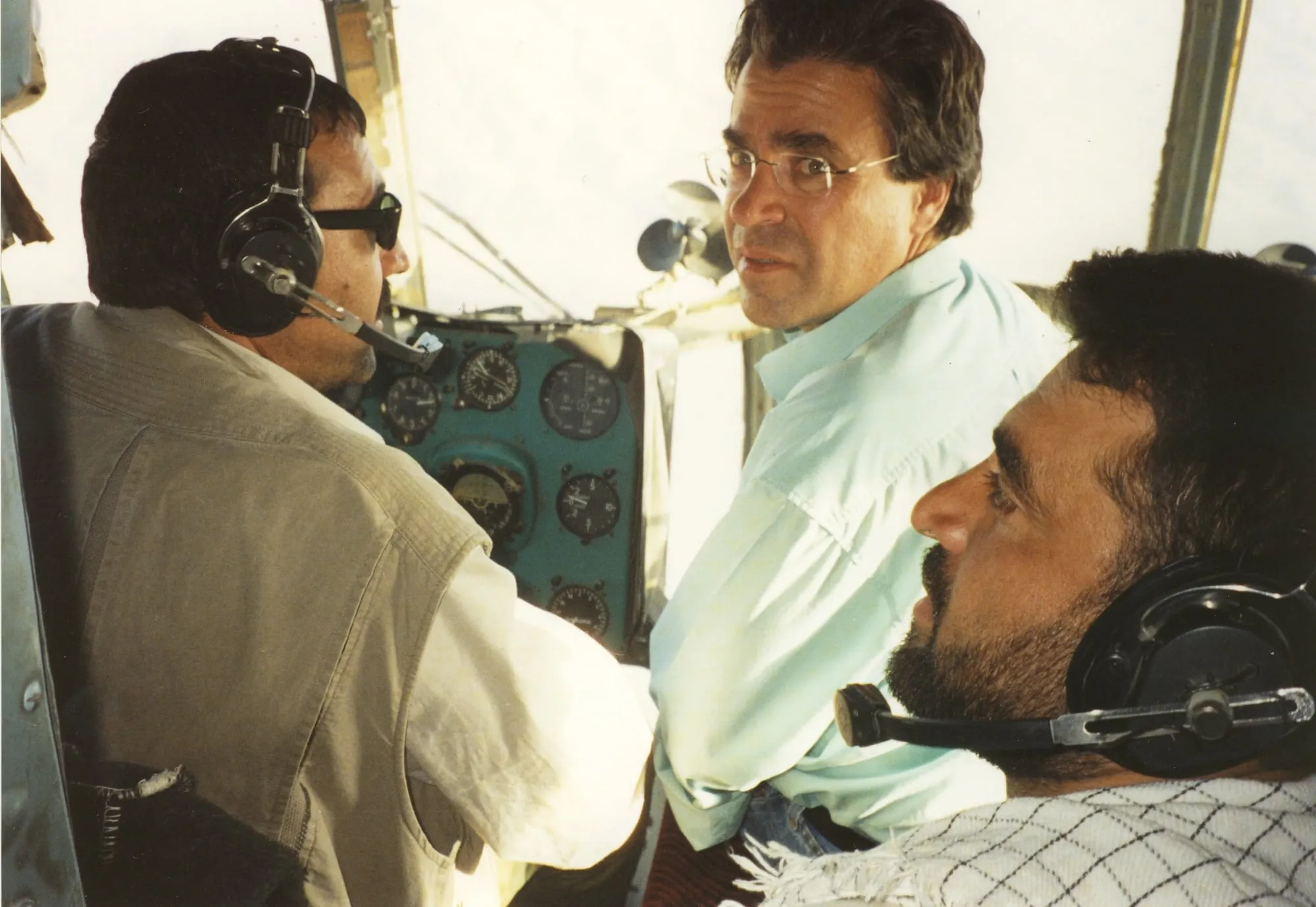
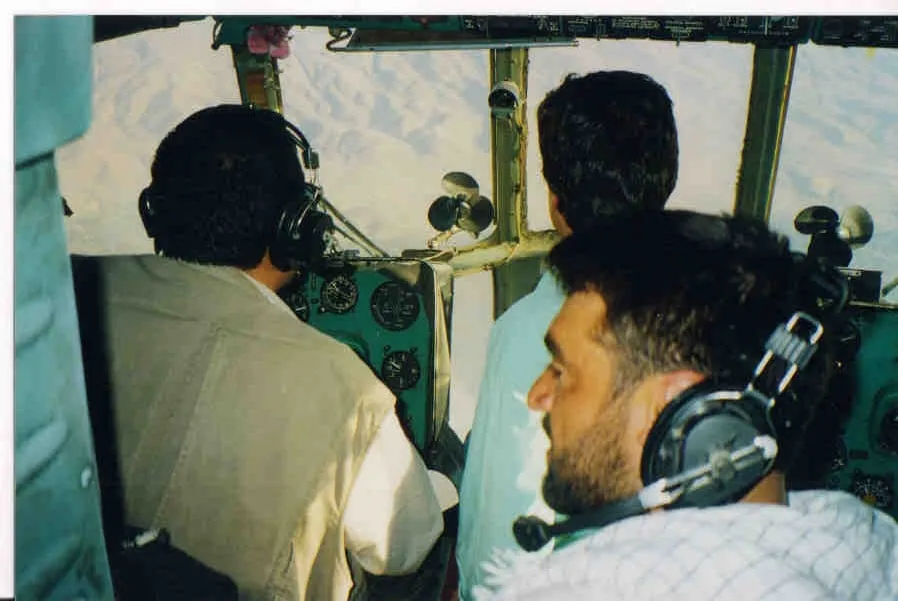
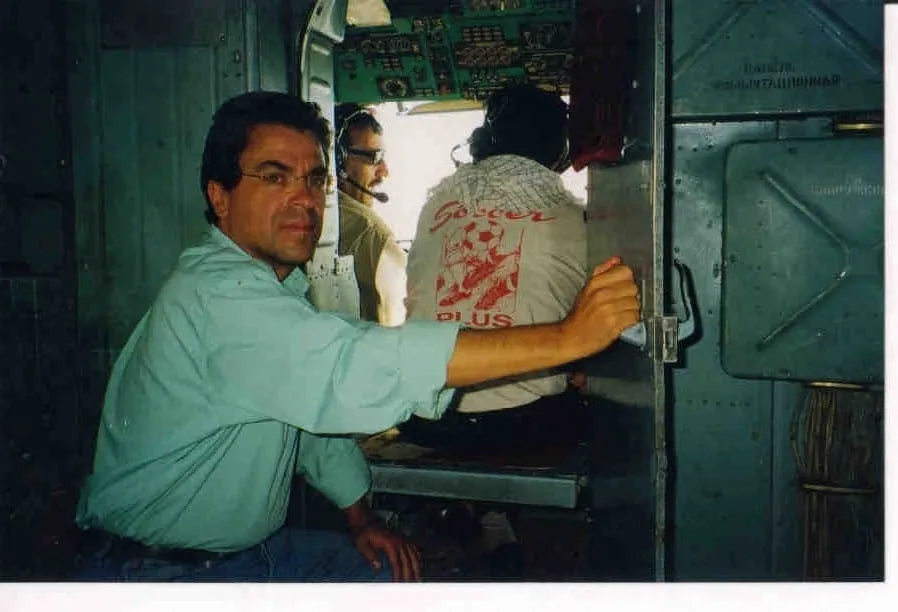
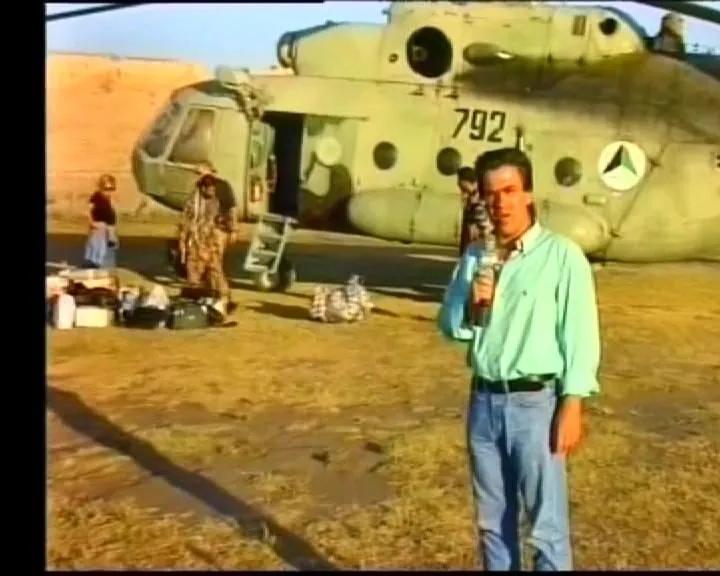
By guerrilla helicopter, 1970s technology, Antenna's correspondents finally managed, along with a handful of foreign reporters, to cross into northern Afghanistan and reach the Northern Alliance headquarters.
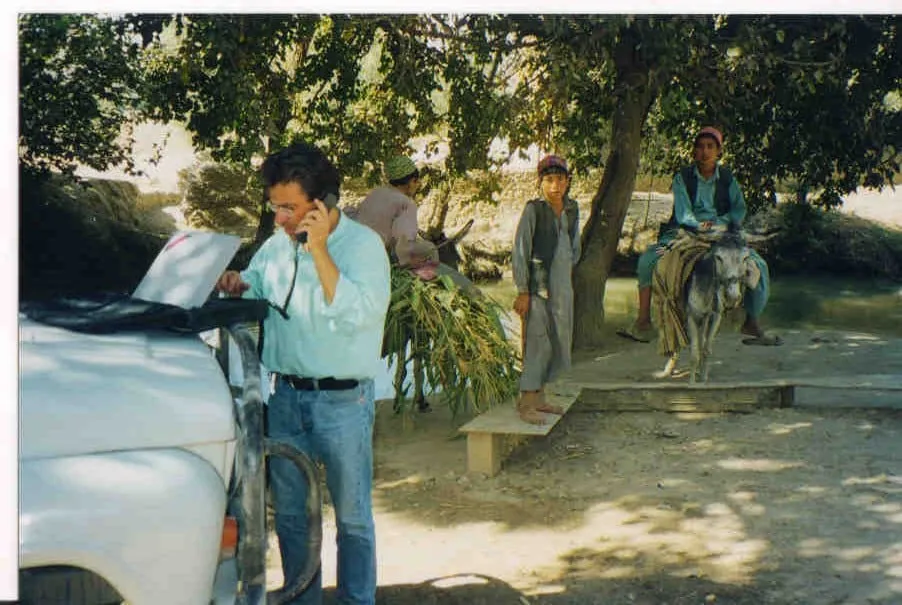
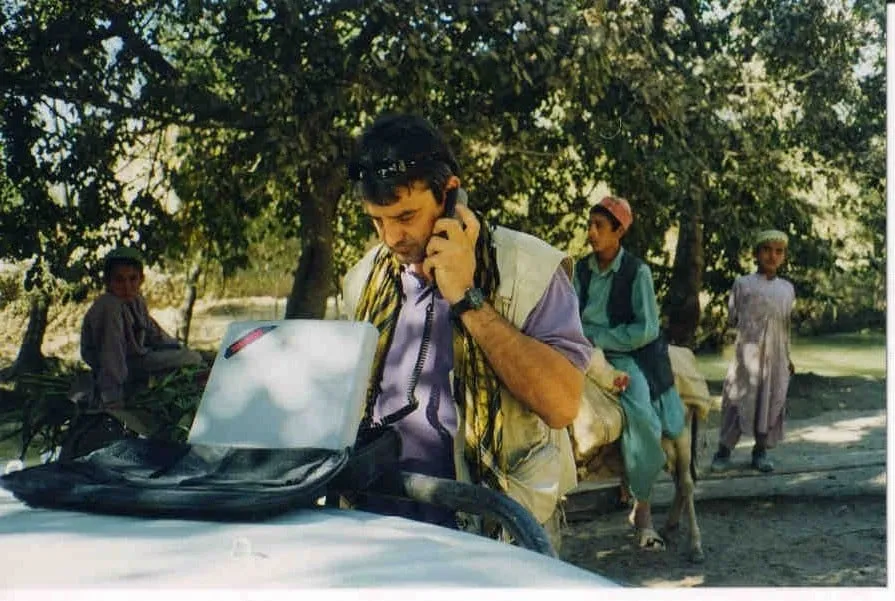
By good fortune, only the previous day a BBC television crew had installed itself at the Northern Alliance headquarters with the equipment needed for satellite transmission of television material, which Dinopoulos and Liliabtis used to send their reports to Antenna.
Unlike the international television networks (mostly American), which arrived in the region fully equipped (and with the necessary logistics — food, water and so on), Dinopoulos and Liliabtis had only a camera, a microphone, a satellite phone and (fortunately) a decent number of… dollars.
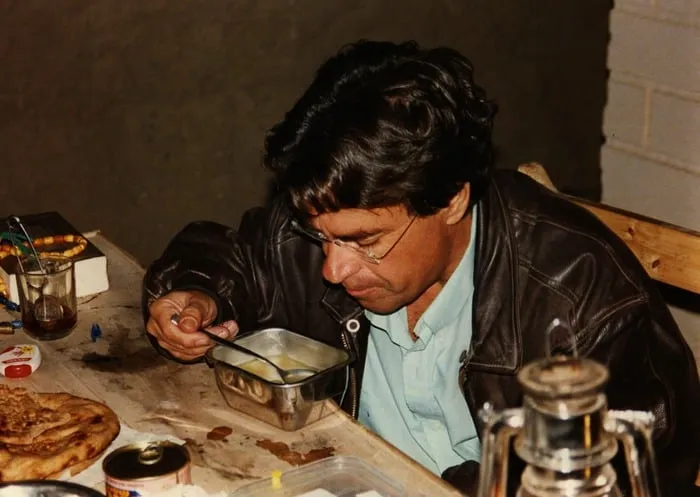
For the first days all the foreign correspondents slept in the … courtyard of the Northern Alliance's improvised «Ministry of Information», and ate (those who had no logistics of their own, and those ran out quickly too) the … rice the «Ministry» handed out twice a day.
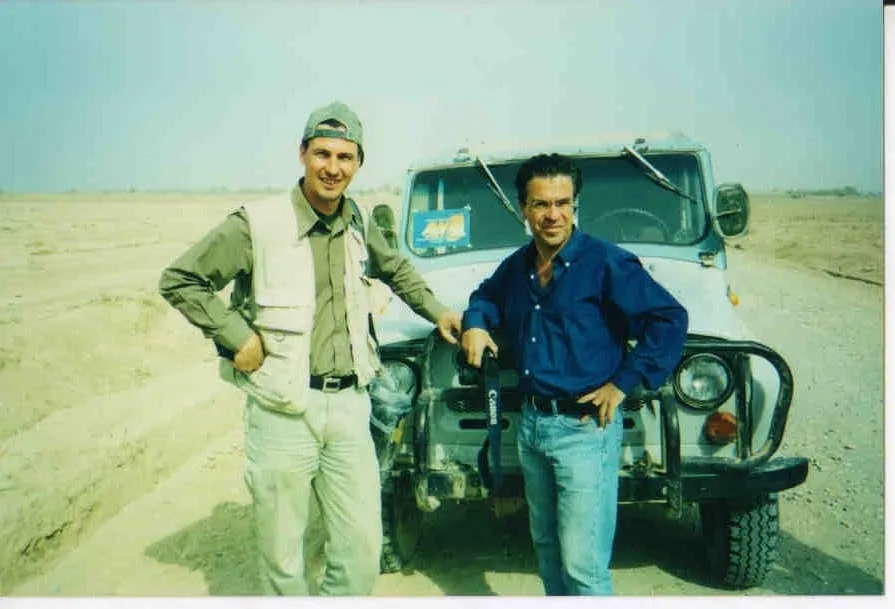
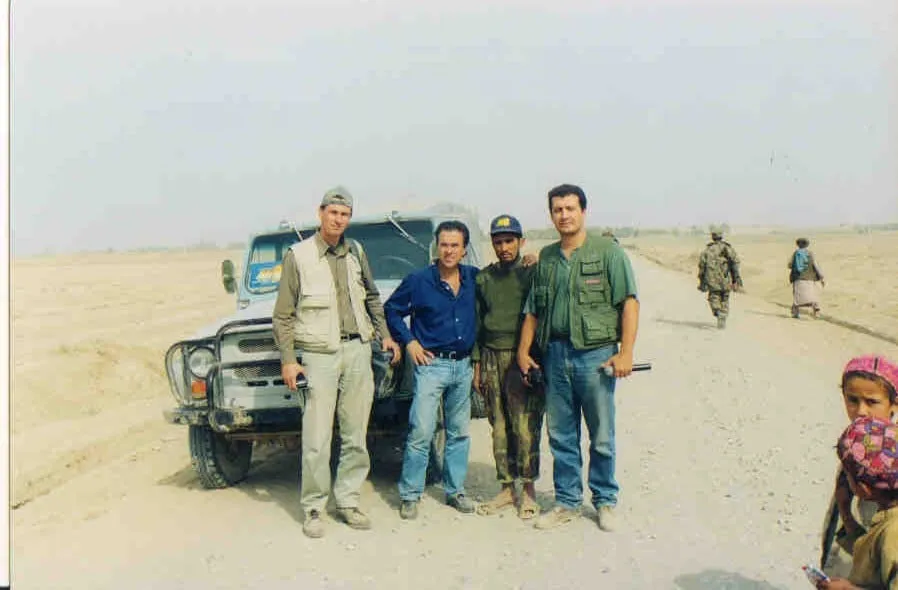
Even so, Dinopoulos and Liliabtis managed to find (by paying somewhat above the going rate) one of the best drivers, with a dependable jeep — which in those conditions is a precondition for the success of a journalistic assignment.
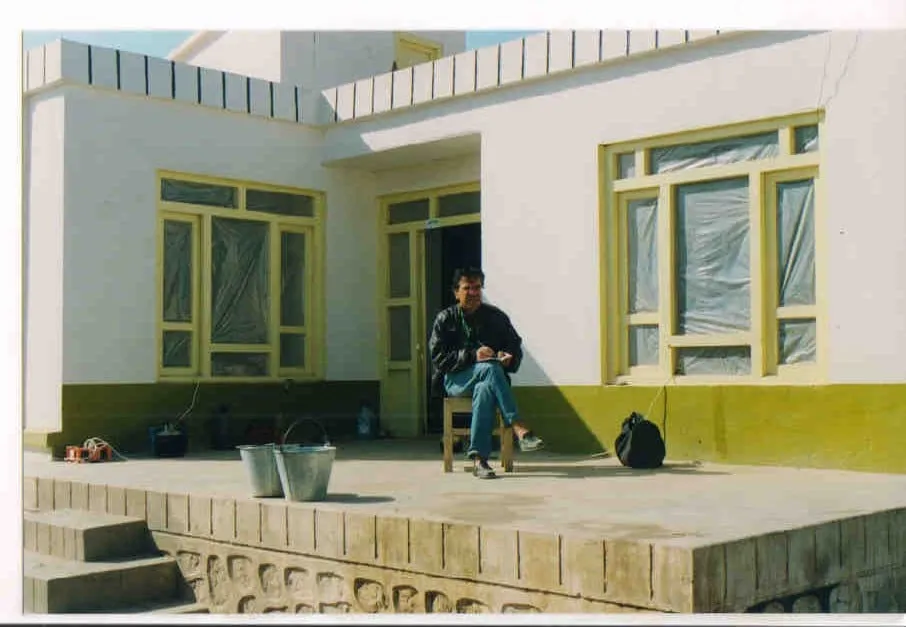
After about a week (paying somewhat above the odds again) they secured roofed lodging with a lavatory, and daily life improved considerably, though the problem of washing remained (when Dinopoulos stripped to wash in the river, his Afghan driver — appalled — told him to get out and dress at once, because such a thing — undressing in the open — was strictly forbidden even for men).
The assignment lasted a month and a half, with Kostas Liliabtis replaced by Vasilis Rozos and Marios Tzobanidis, who arrived from Athens carrying a portable generator, putting an end for Argyris Dinopoulos to the anxiety of «borrowed charging» (from other correspondents' generators, or from the Northern Alliance's own services) for the batteries of the camera and the satellite phone.
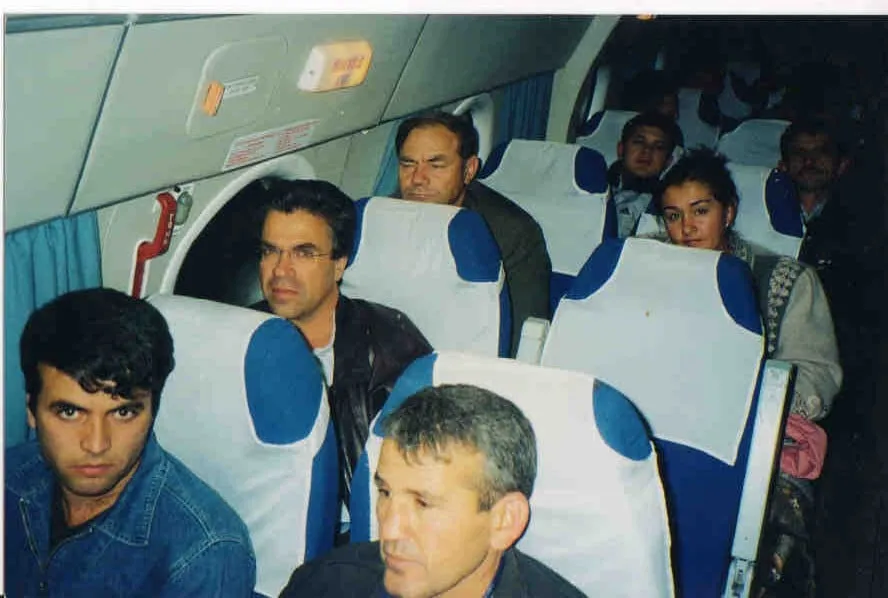
The return was every bit as eventful, with the risk, after leaving northern Afghanistan, of being stranded in Dushanbe, since the Russians would not grant even a transit visa for a flight to Athens via Moscow.
In the end the long-awaited departure flight out of Tajikistan left for Istanbul, and from there for Athens.