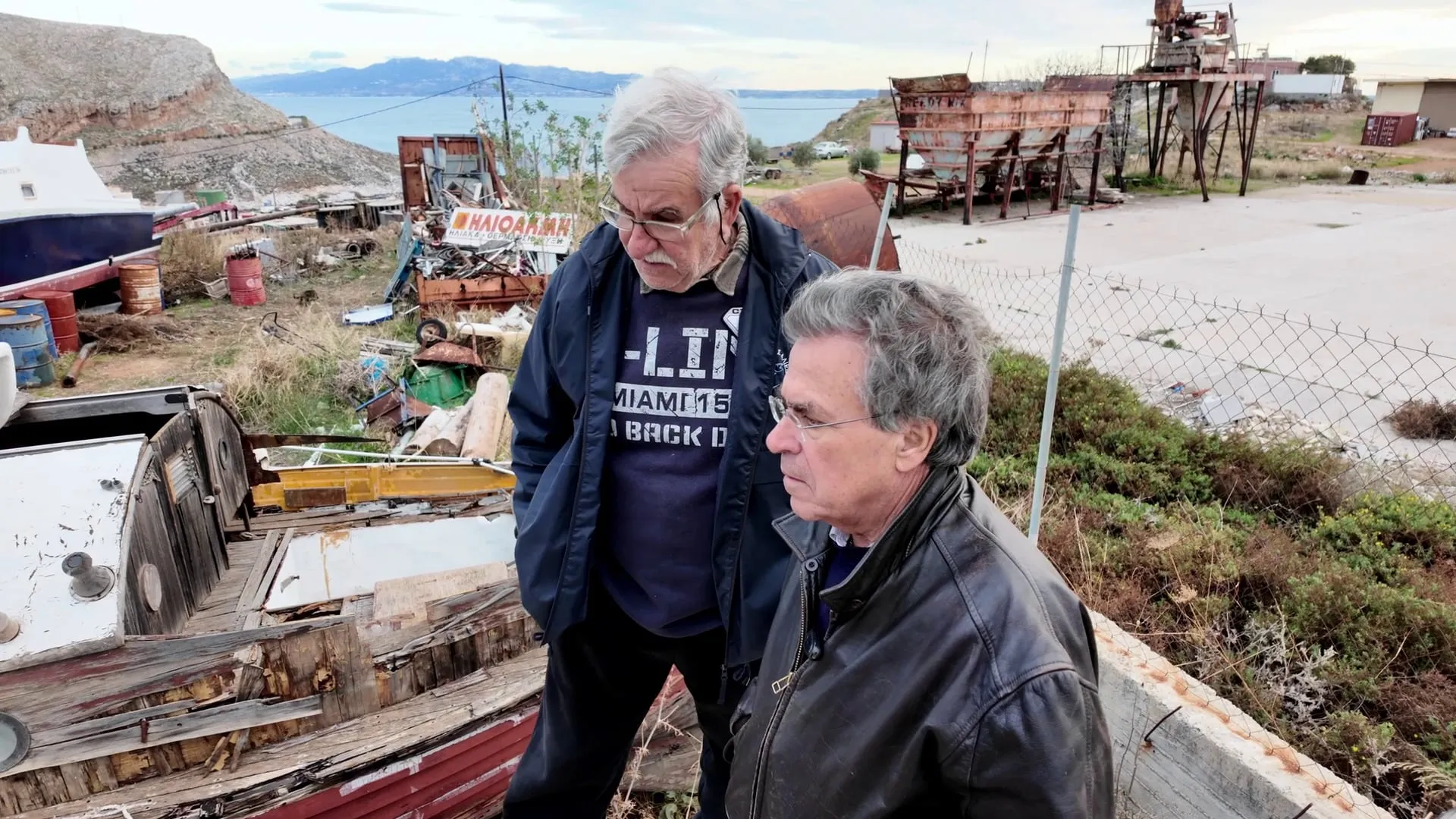
The Imia crisis of January 1996 — and the retrospective thirty years on. This dossier gathers Antenna's unedited footage from the two islets, the reports of the three days, the 2026 documentary with testimony from both the Greek and the Turkish side, and his photographs. His own account of the assignment follows.
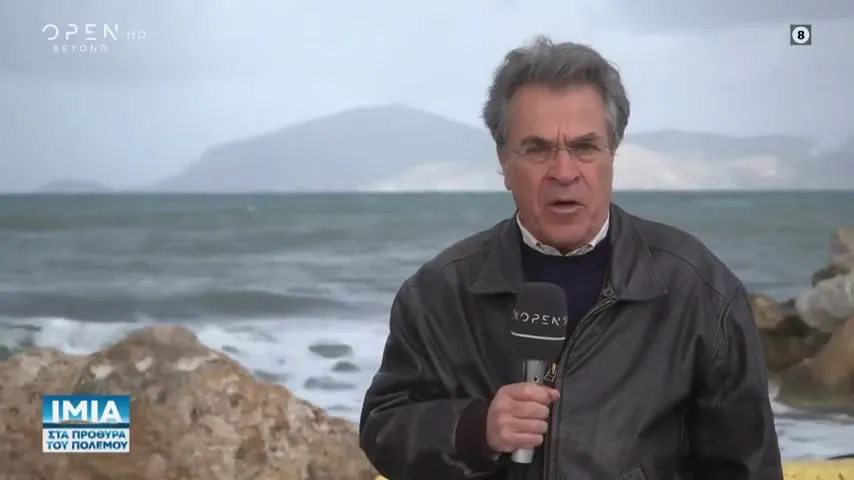
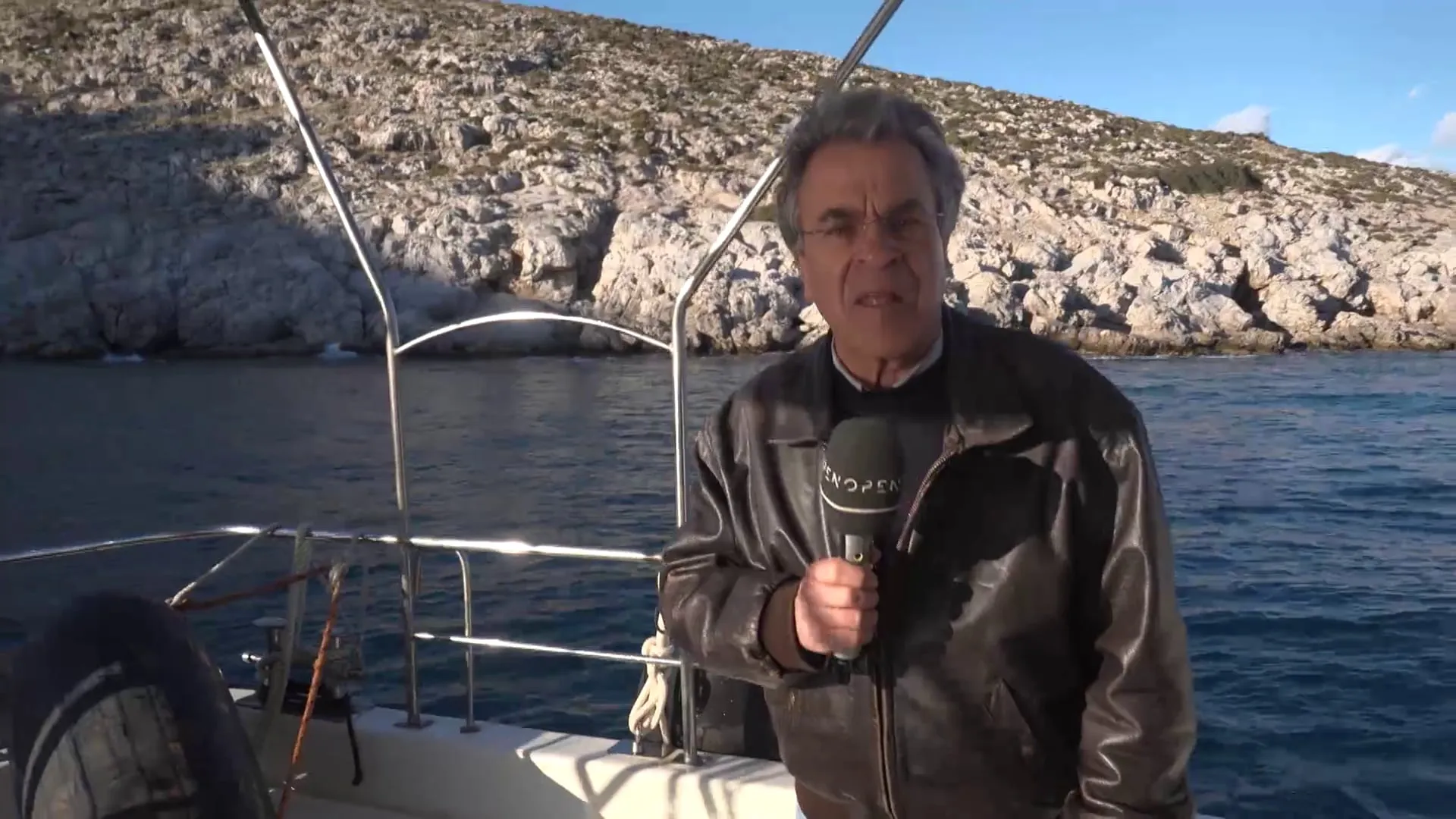
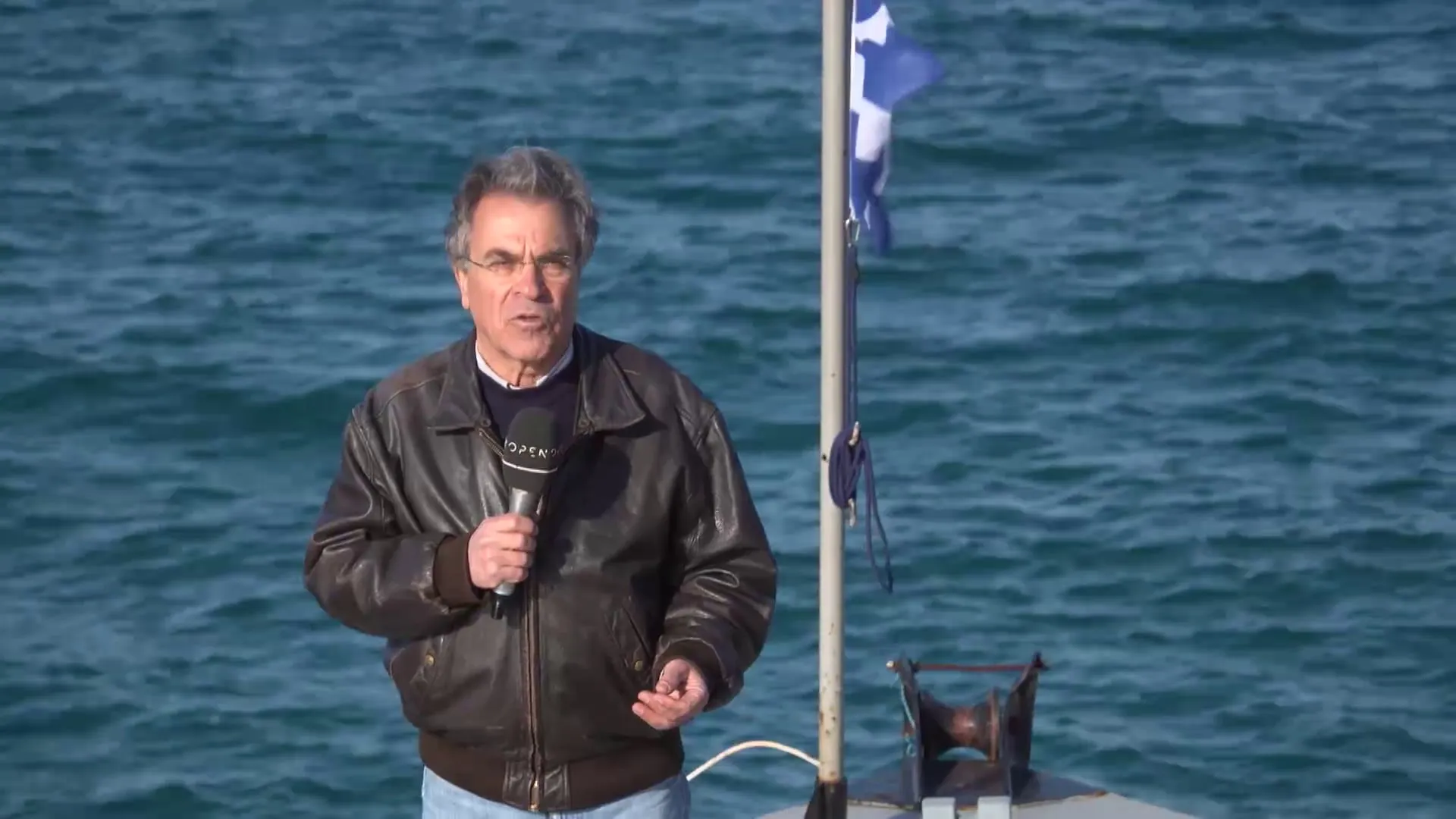
On 19 January 2026 Argyris Dinopoulos presented the documentary «Imia, on the brink of war» on the OPEN TV network, marking thirty years since the Imia crisis.
The rest of his account
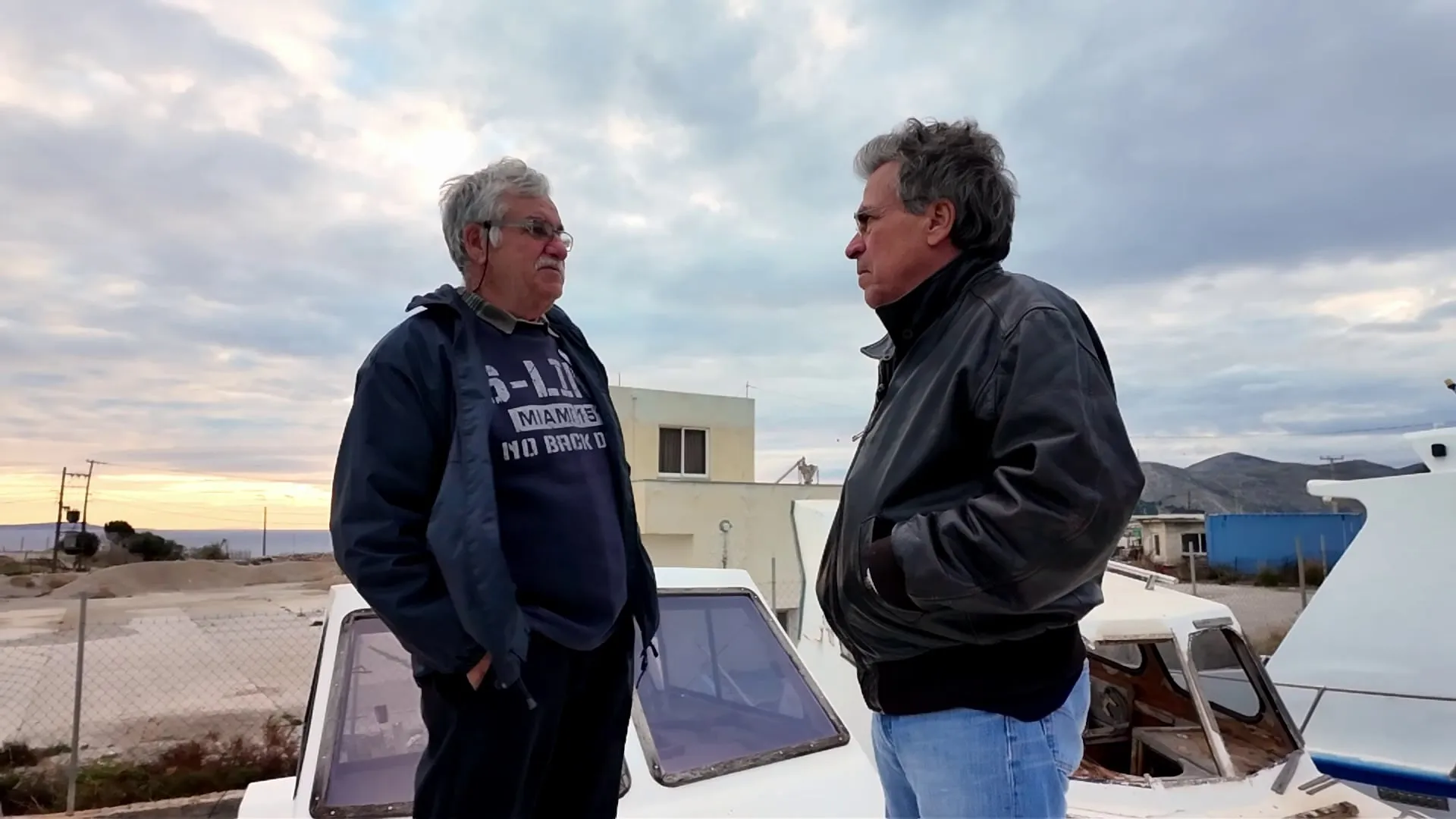
The documentary records rare testimony from protagonists of the crisis on the Greek side and on the Turkish side alike.
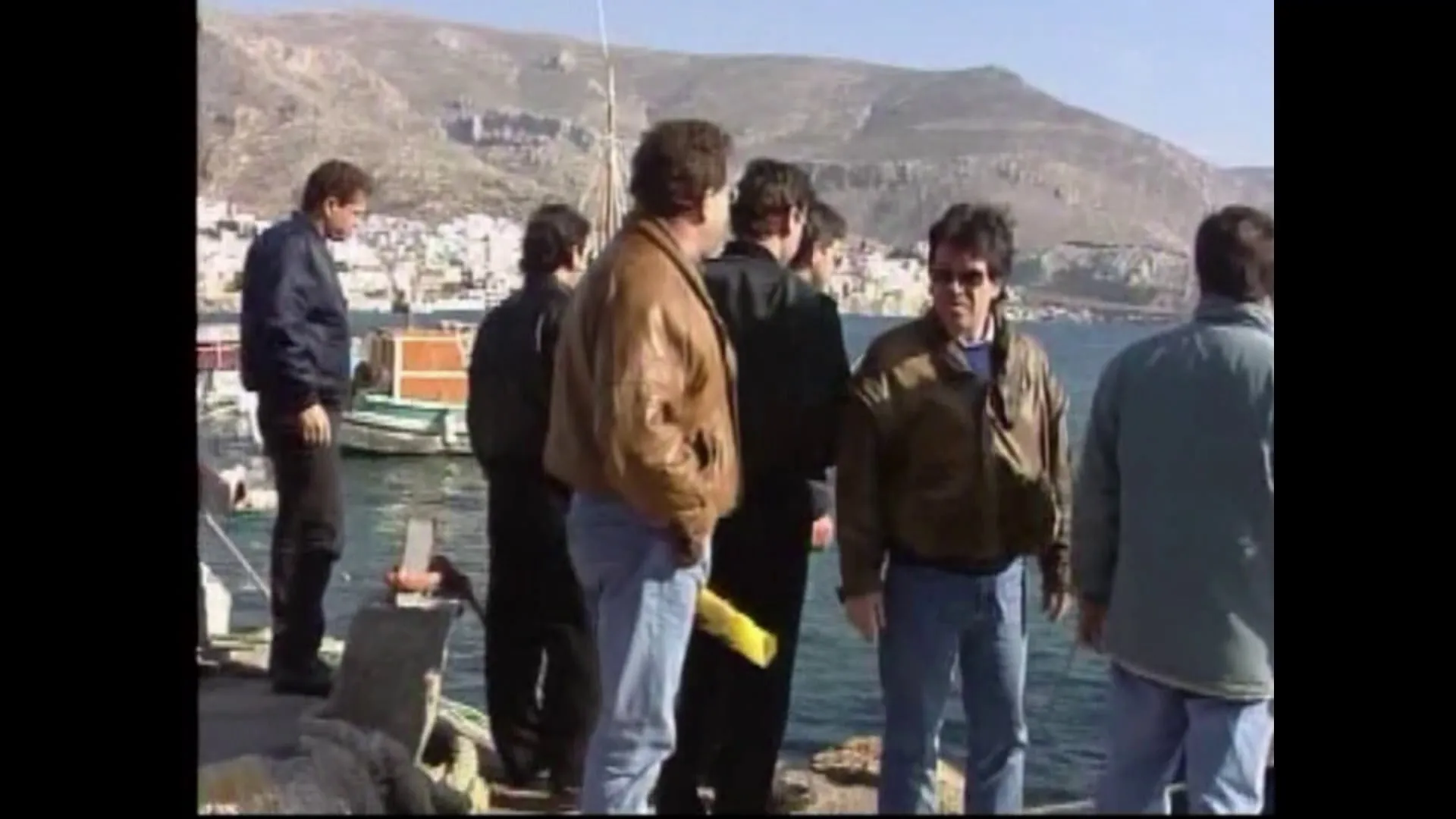
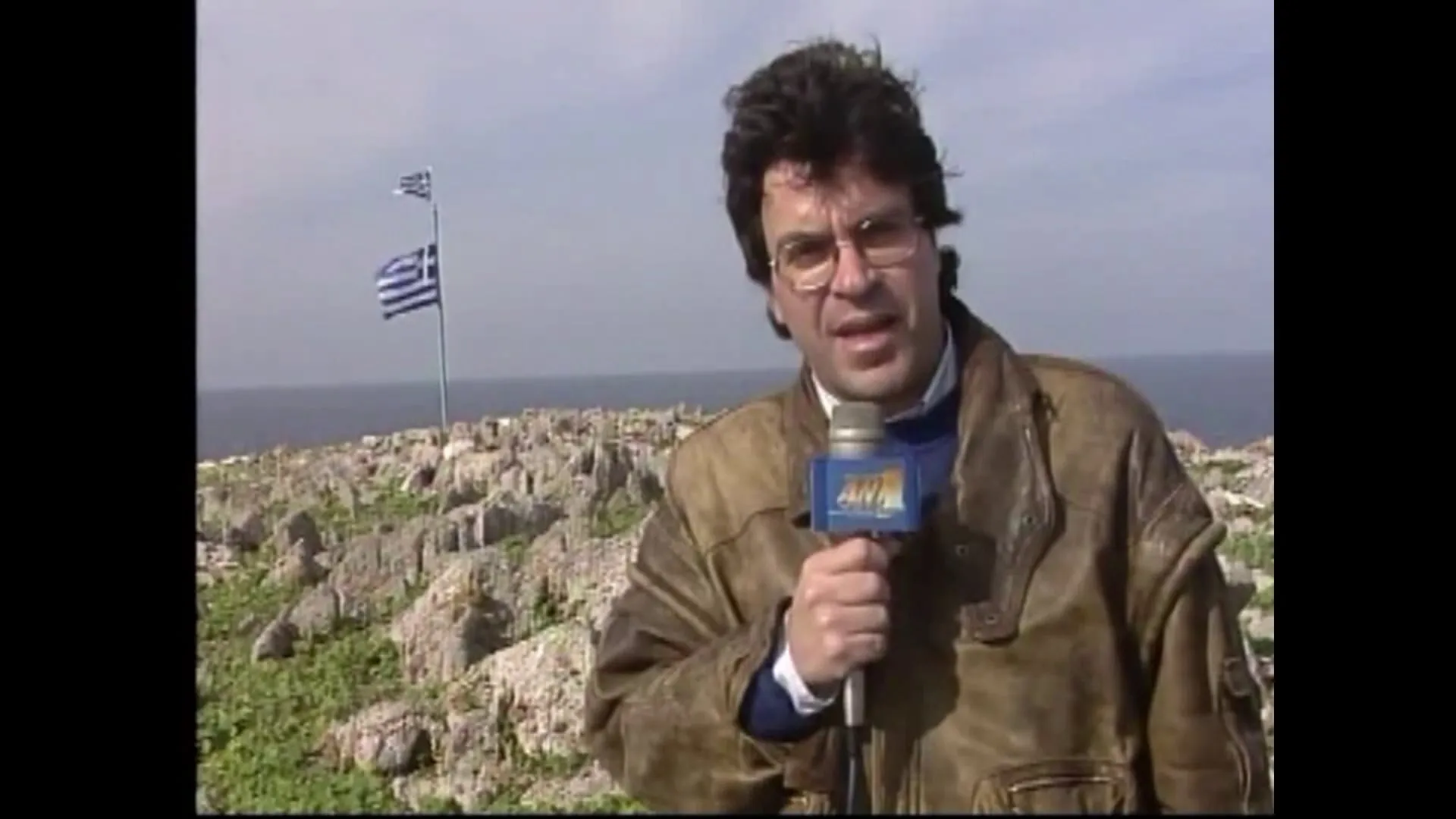
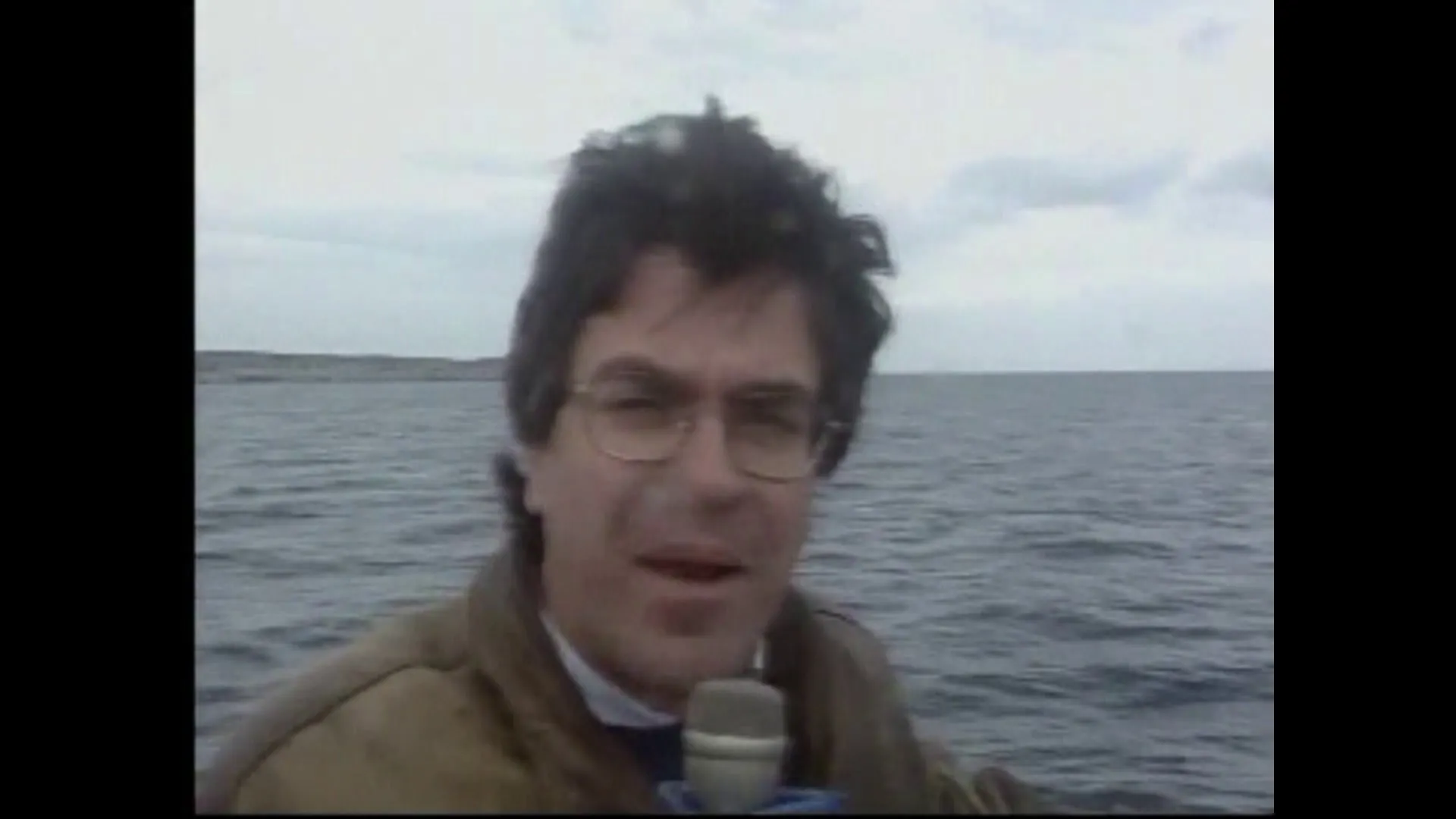
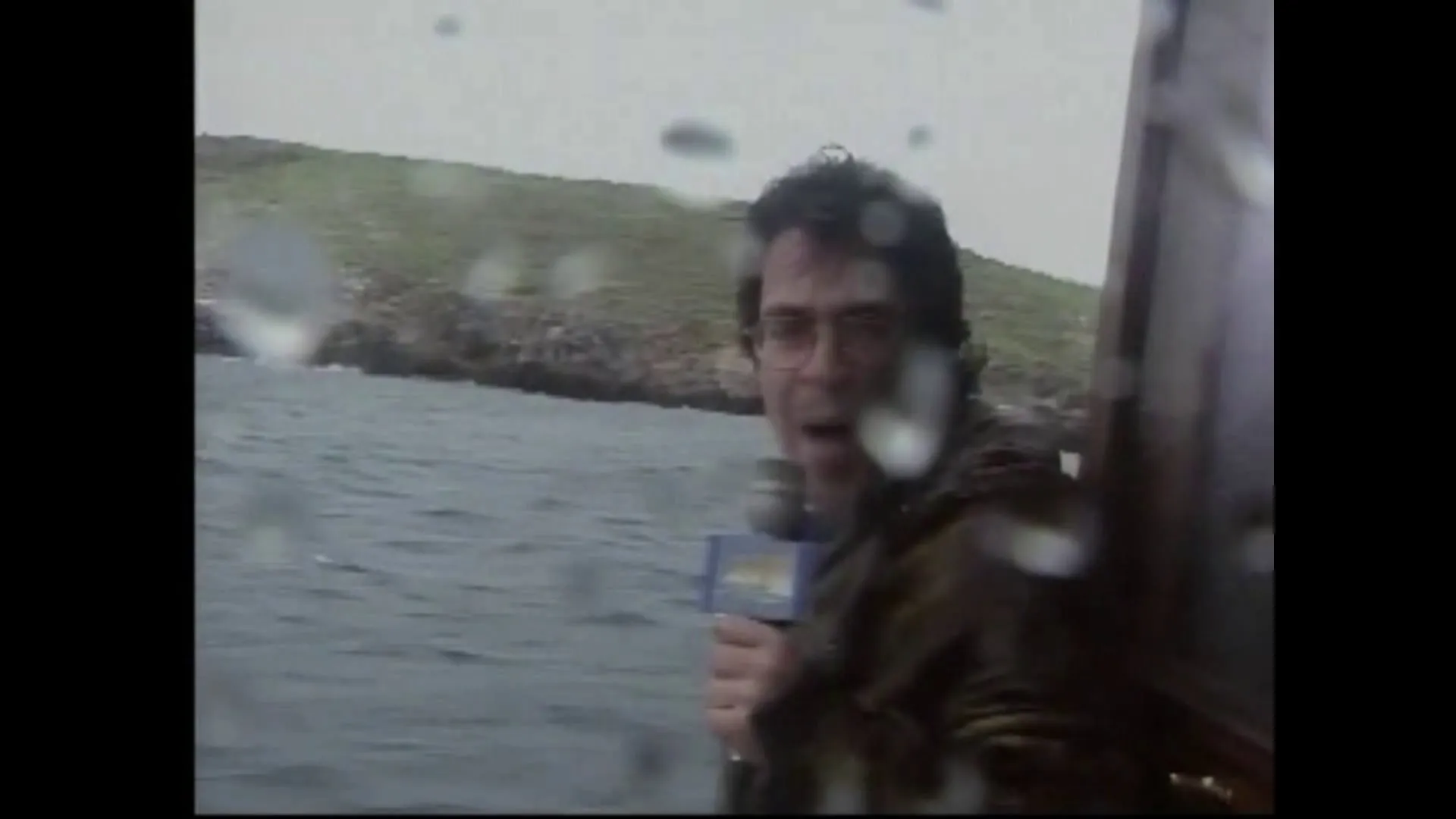
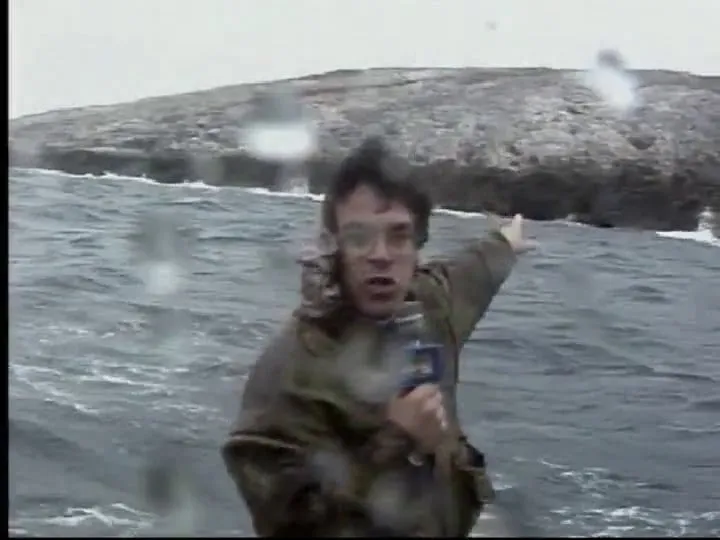
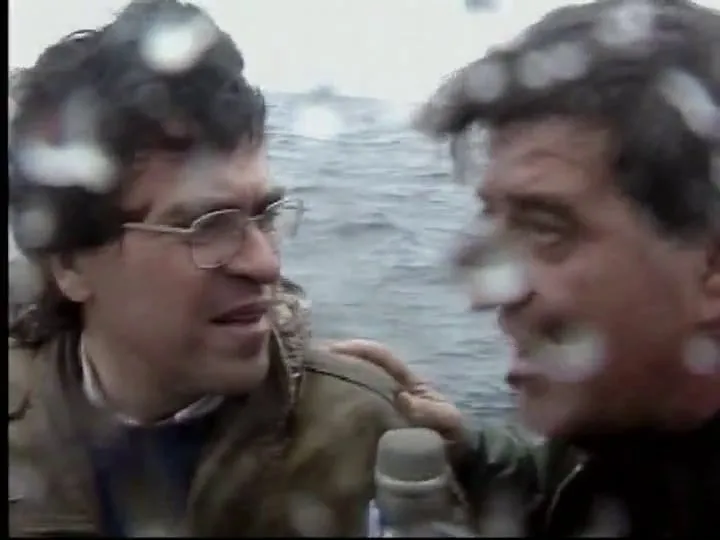
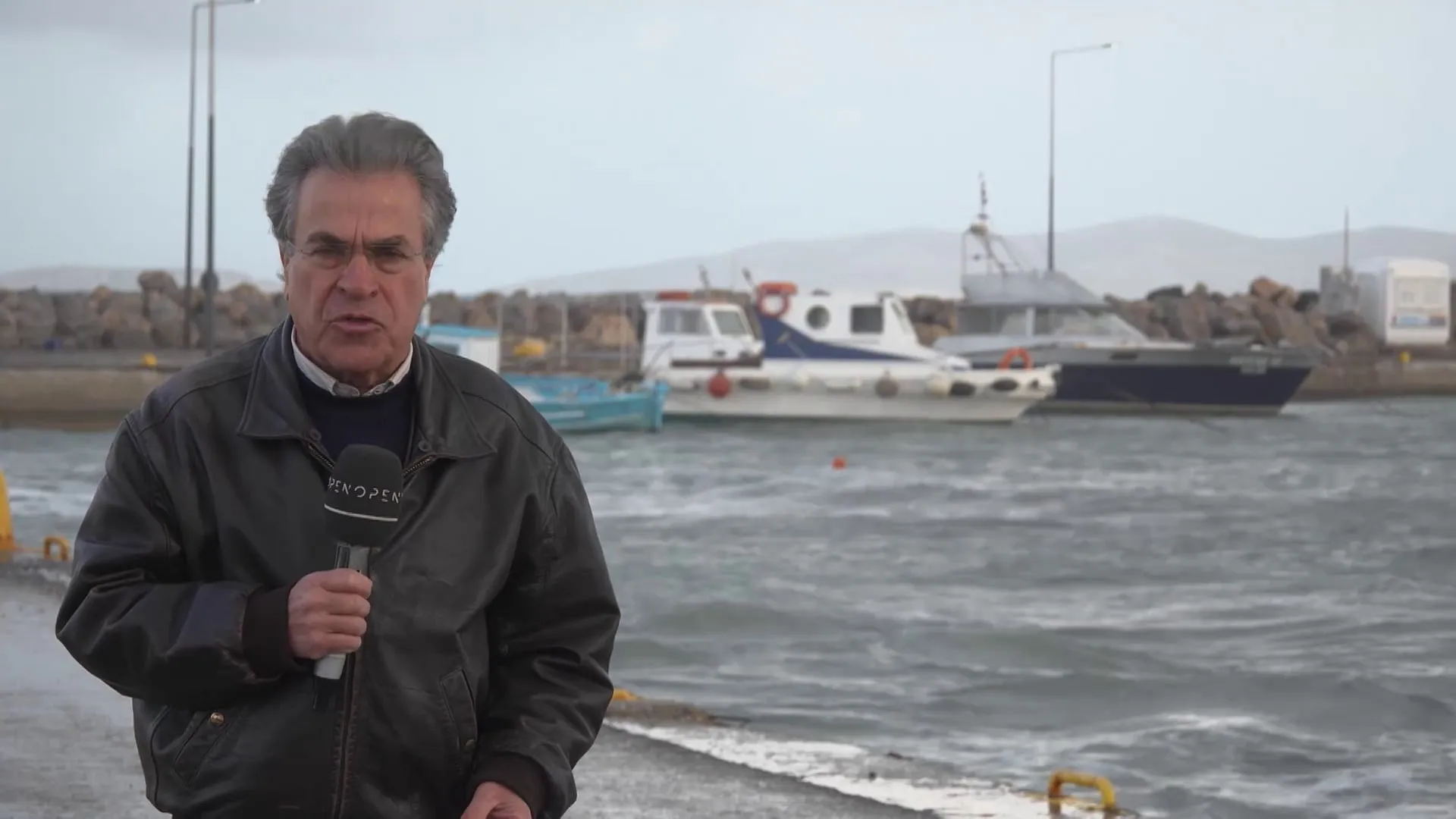
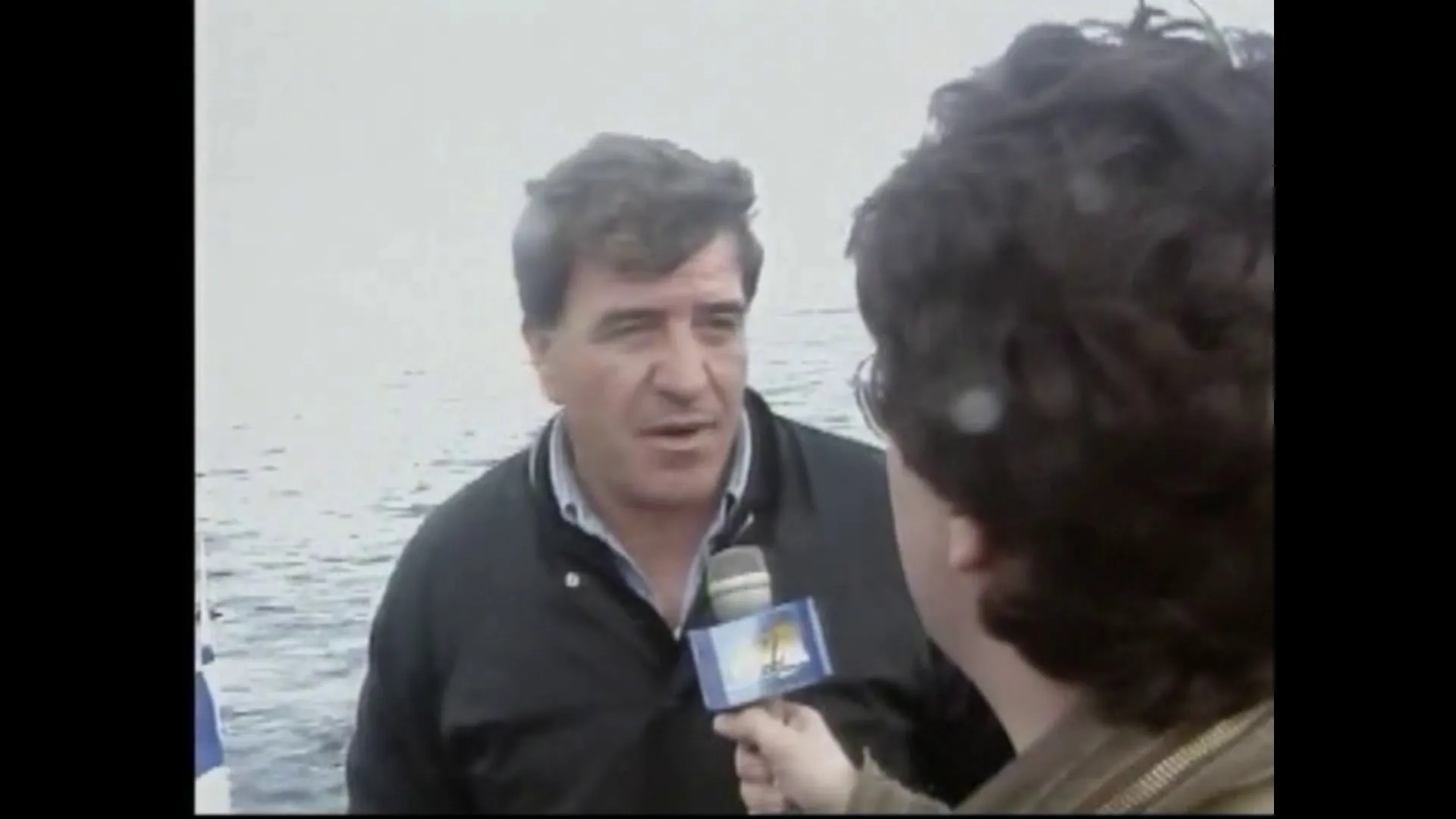
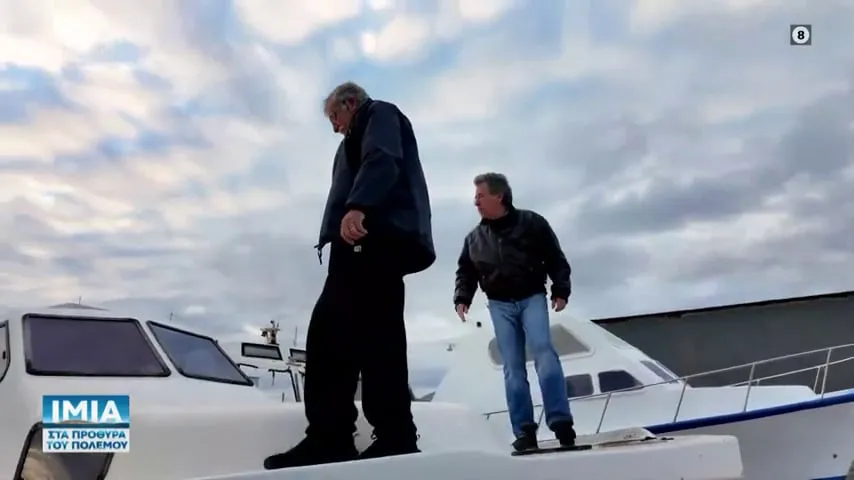
Argyris Dinopoulos was the journalist who covered the Imia crisis (in 1996, for Antenna), and the documentary (in 2026, for Open) presented unedited footage from his reports of 1996 on the two islets.
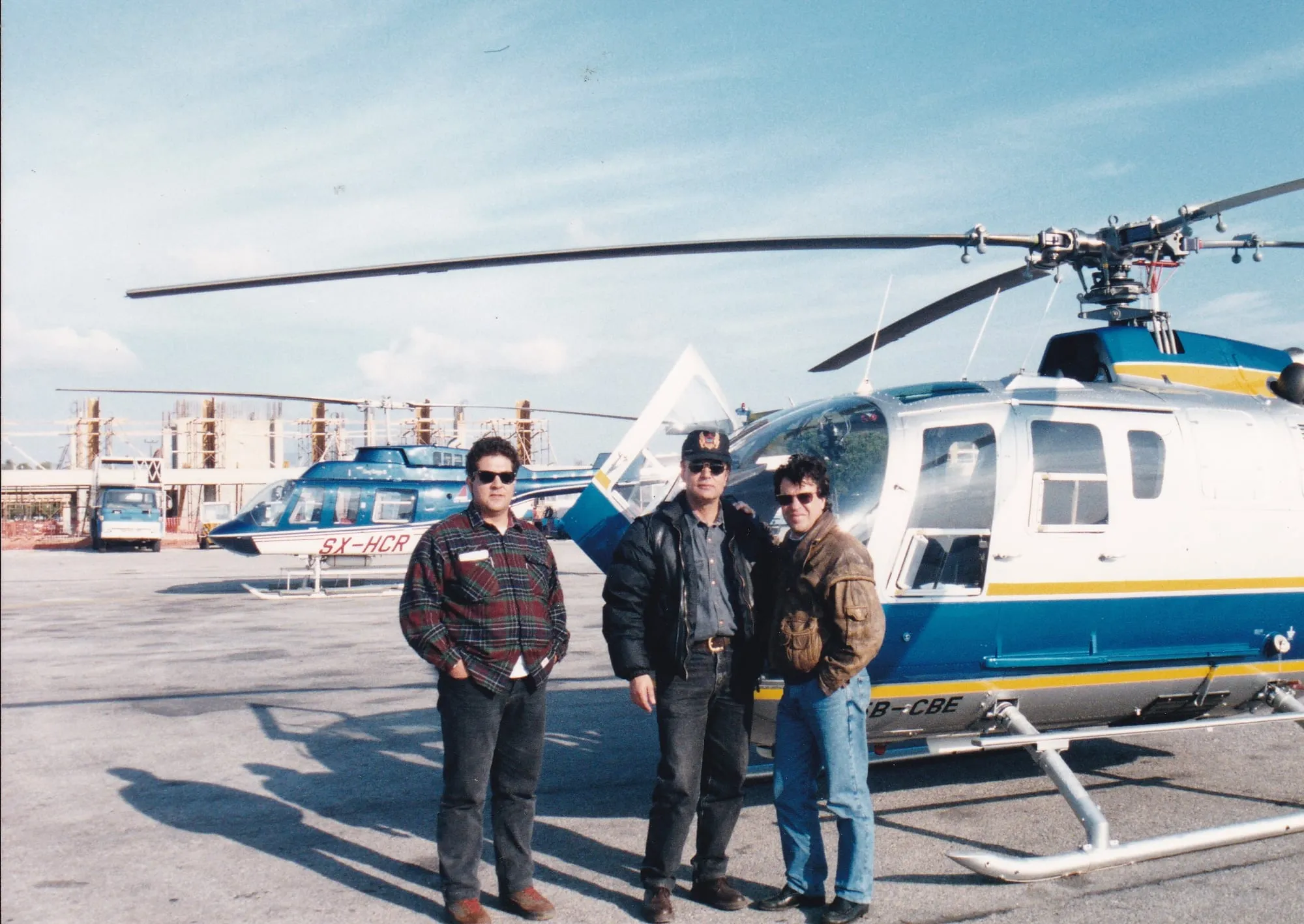
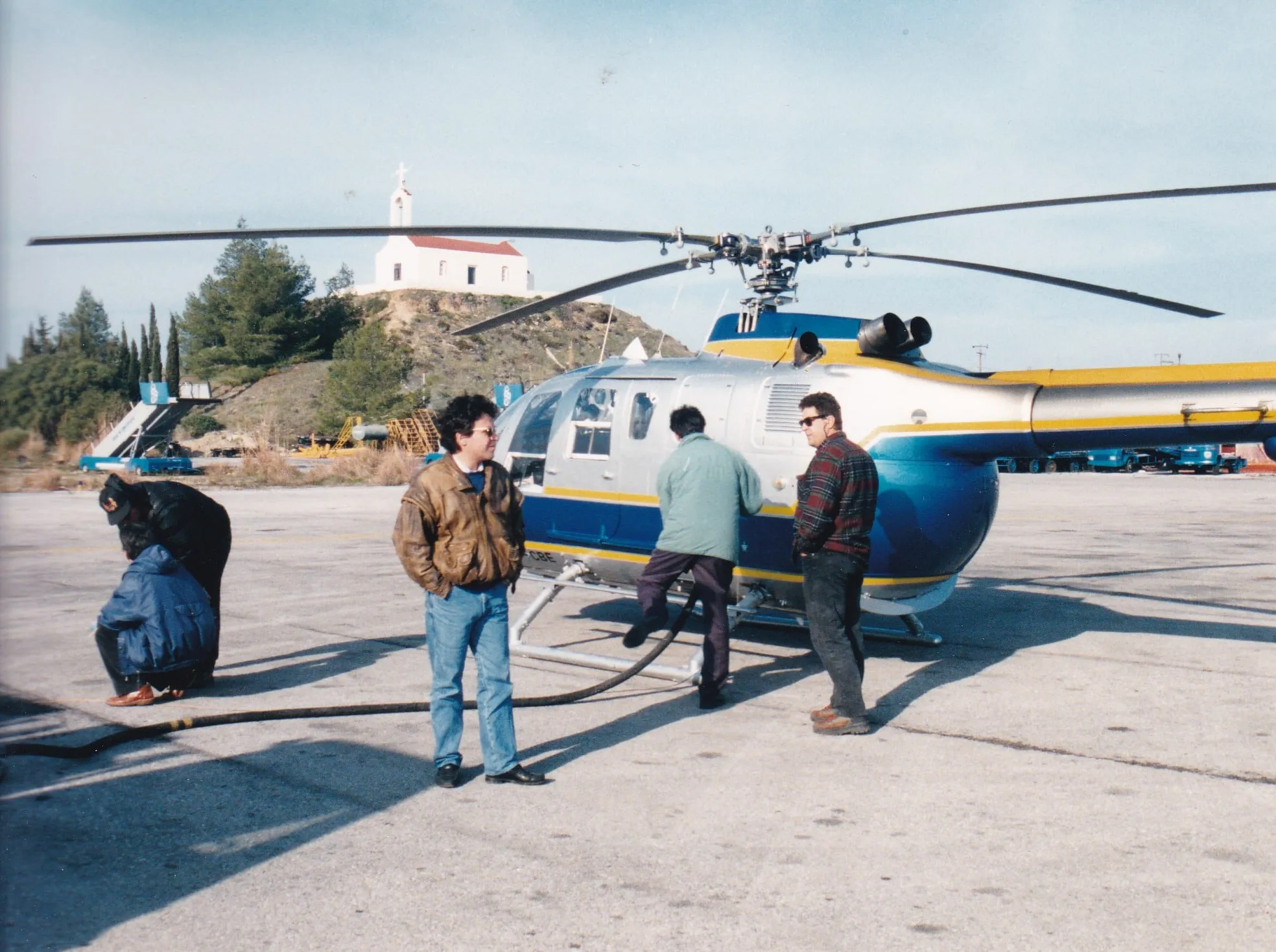
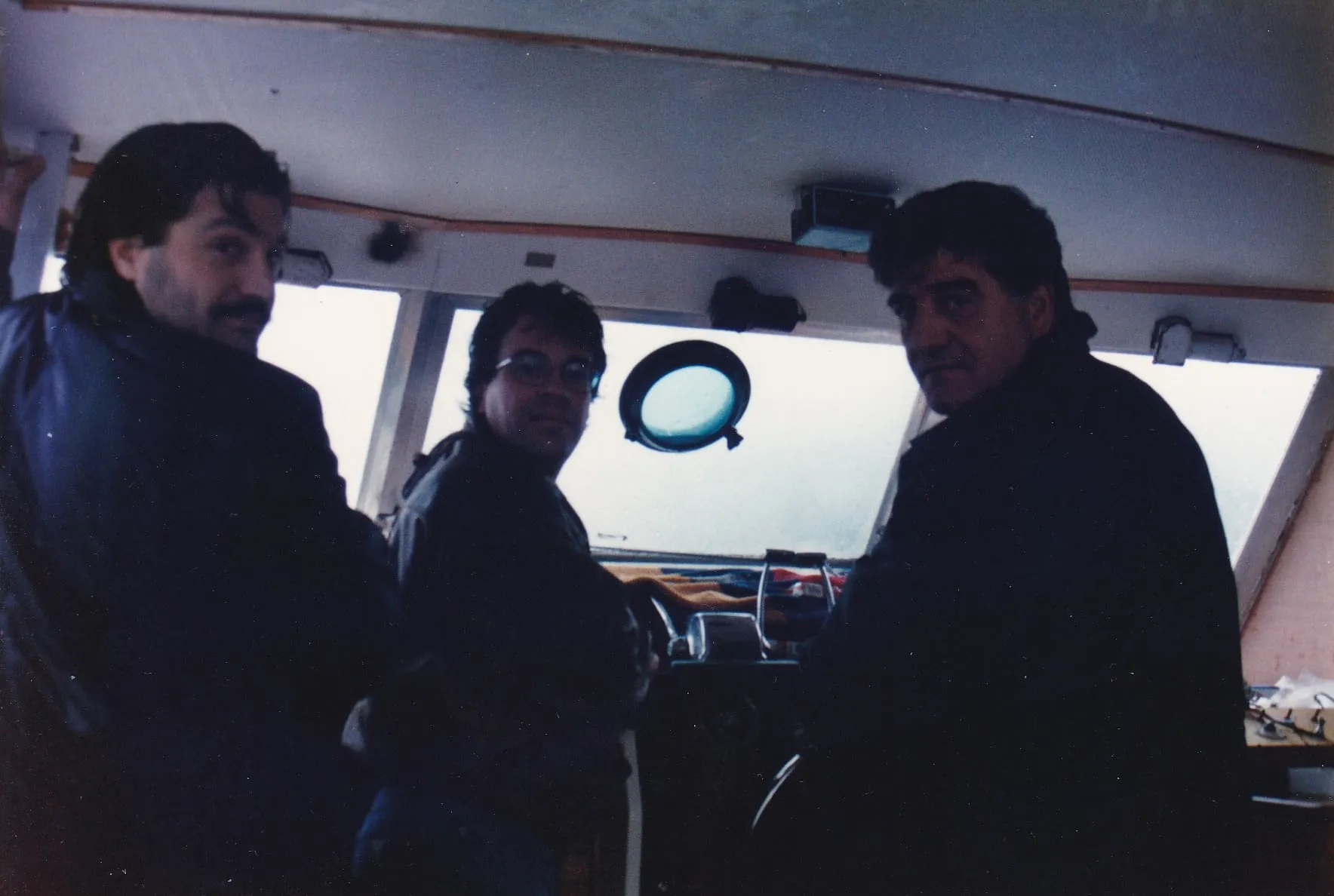
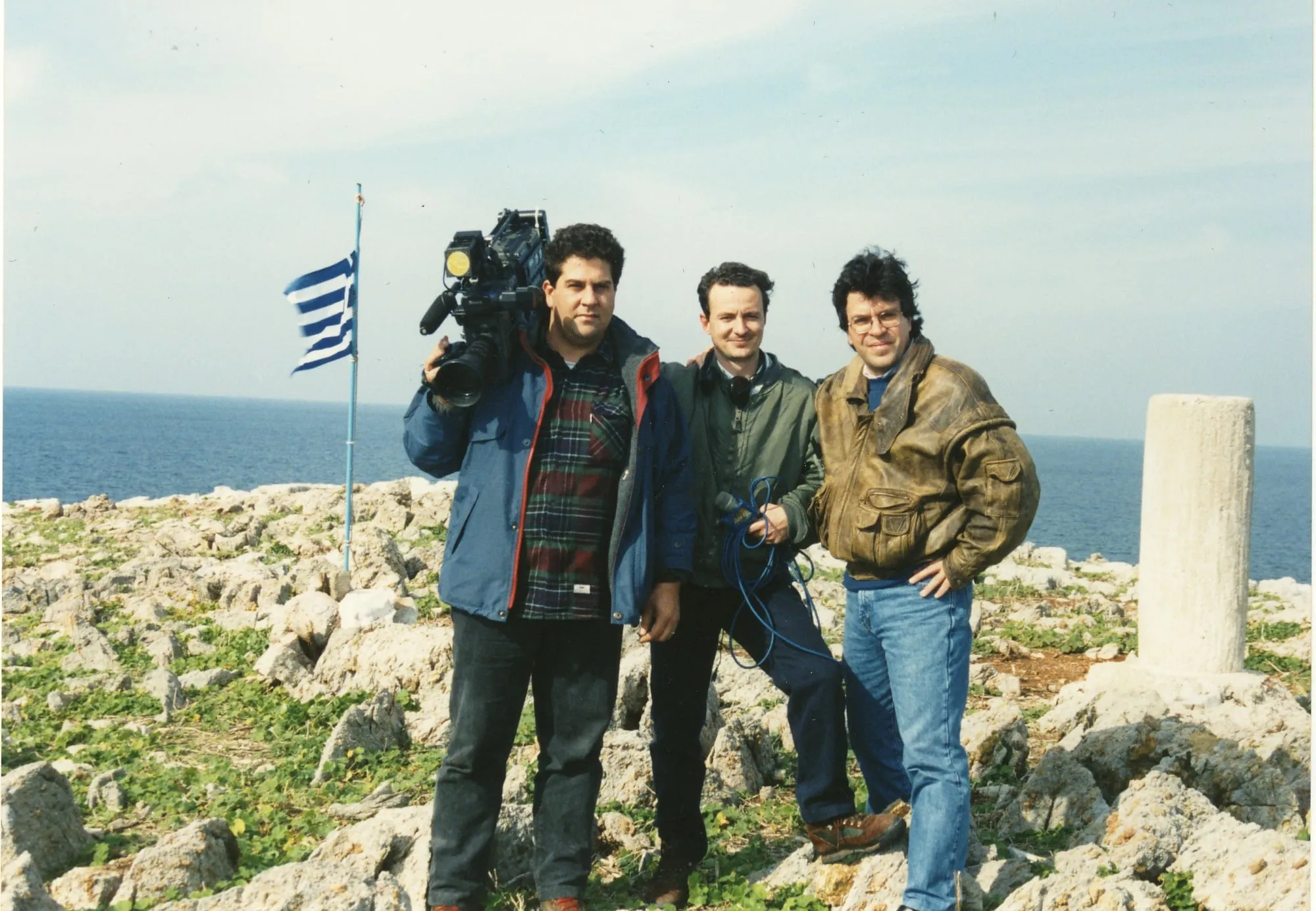
Antenna's team — with Grigoris Filippou on camera and Dimitris Alagiannis on sound — reached Kalymnos on 29 January 1996, a Monday, aboard the private helicopter (pilot Andreas Kontogiannis) of Minos Kyriakou, who made it available for the assignment.
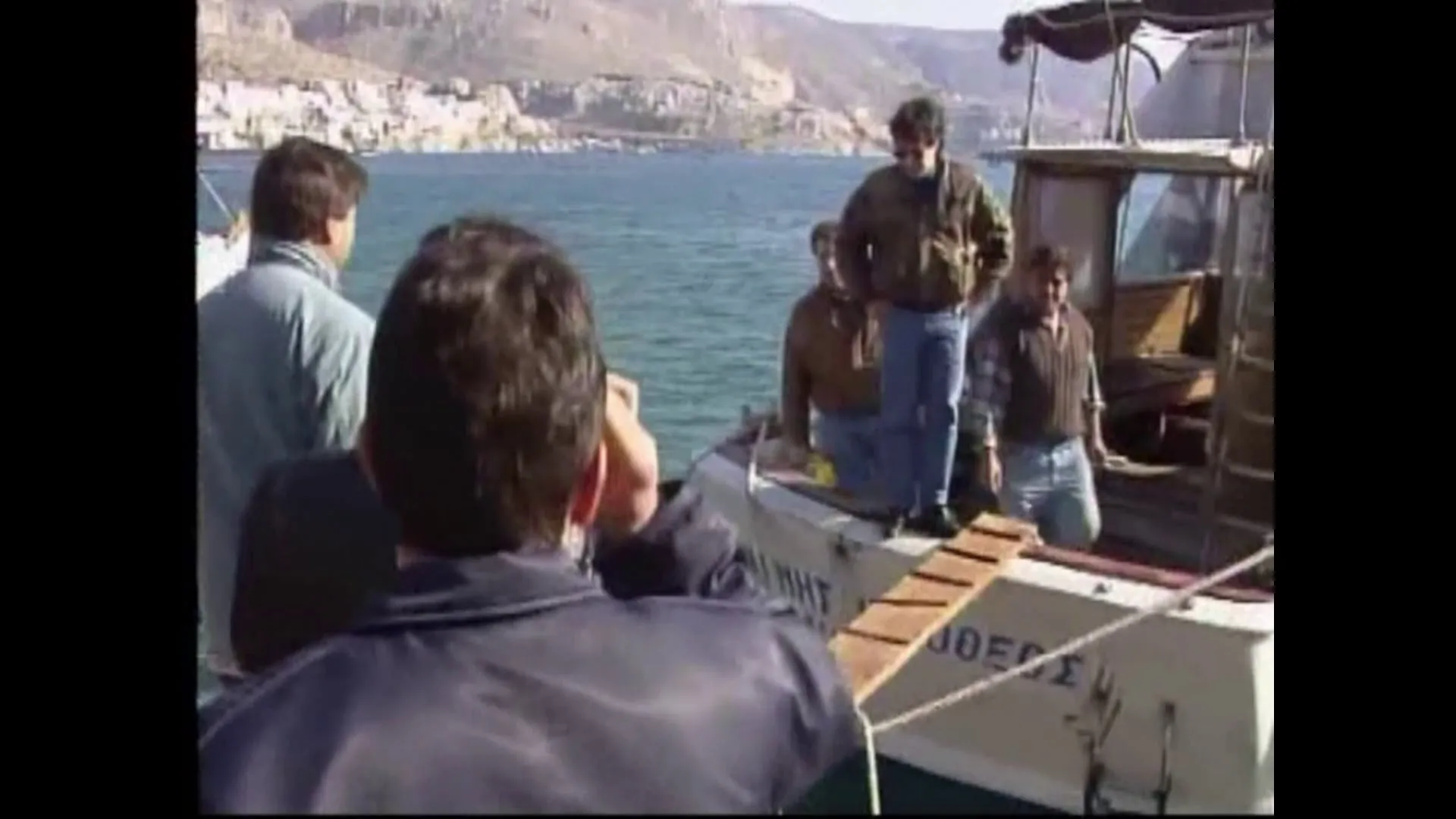
From Kalymnos they left for Imia aboard Theofilis Milatos's caique, the «Yiannis Ierotheos».
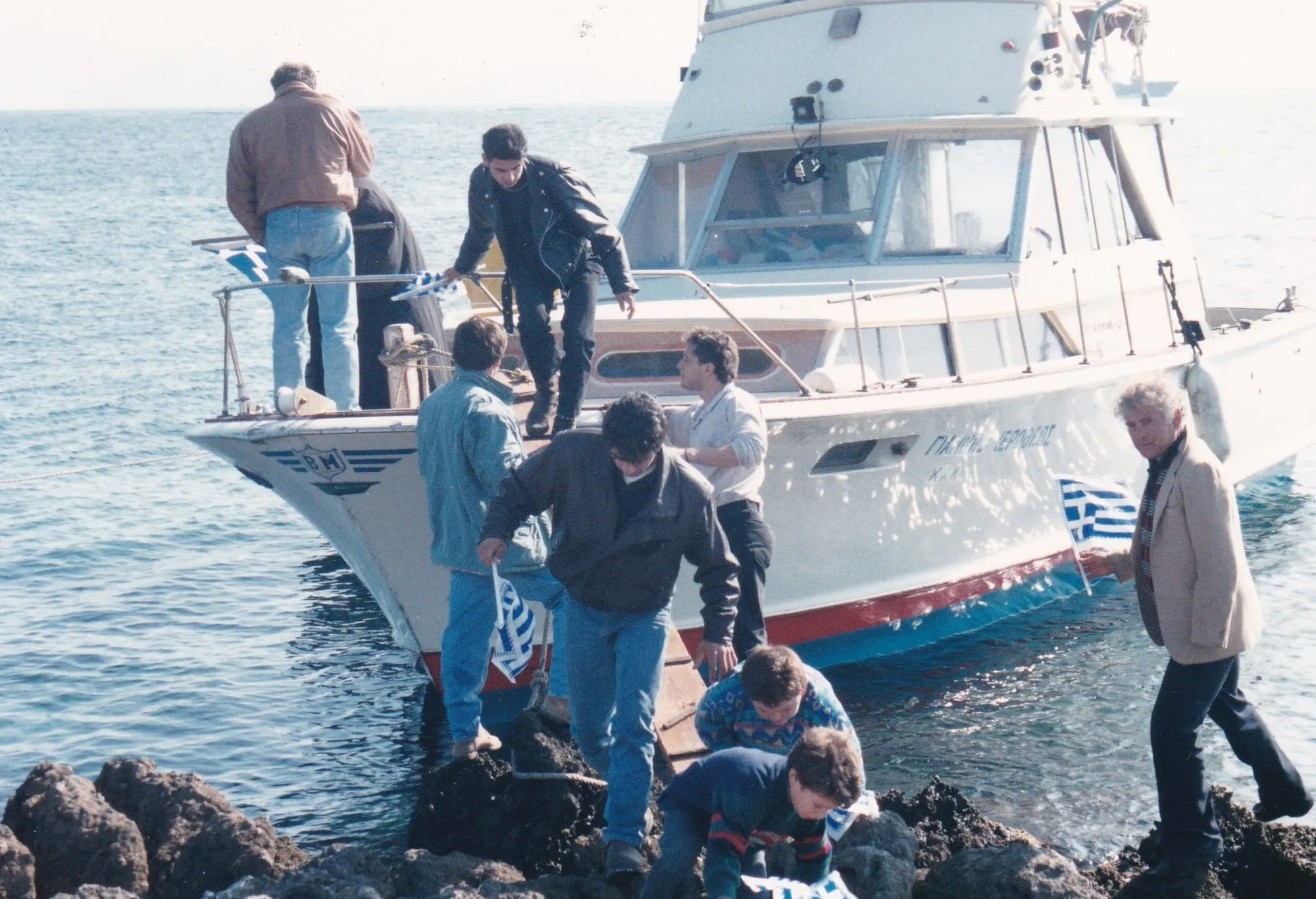
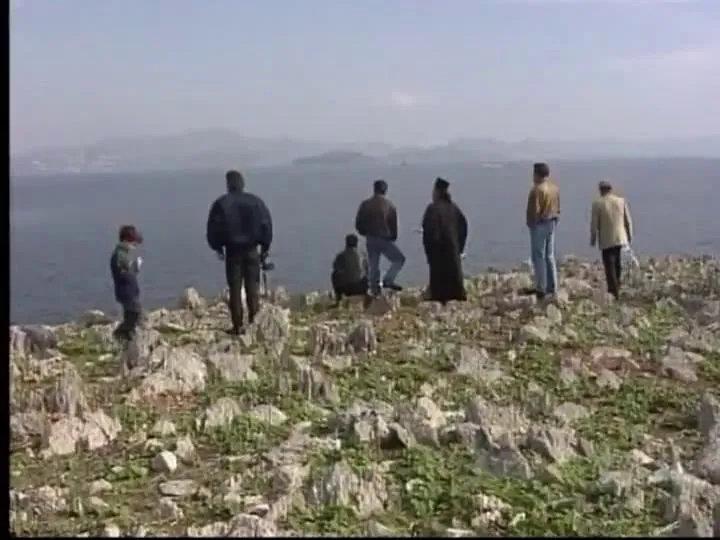
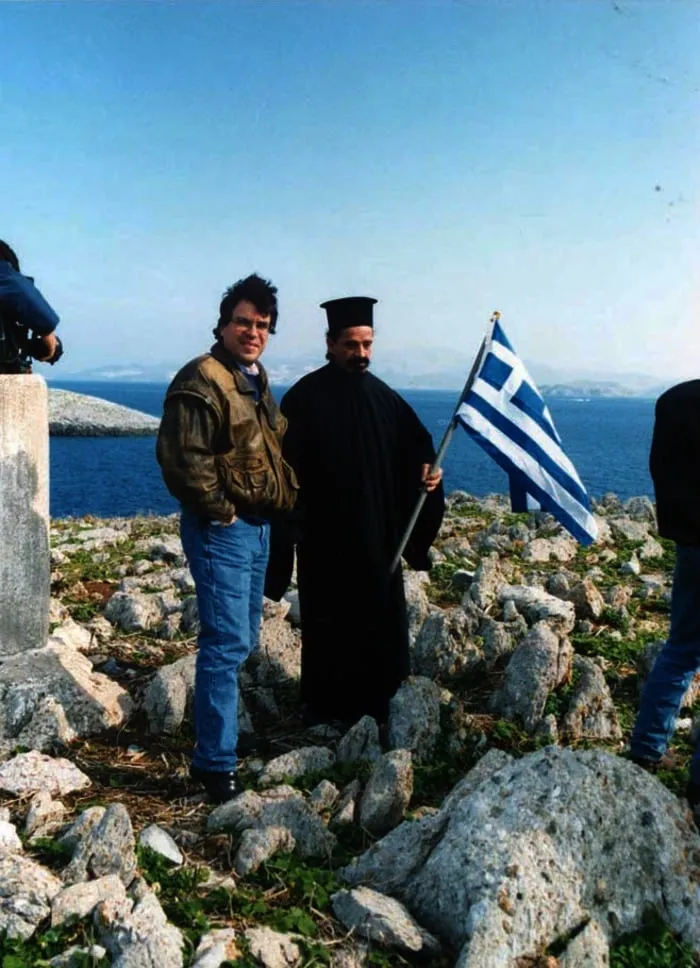
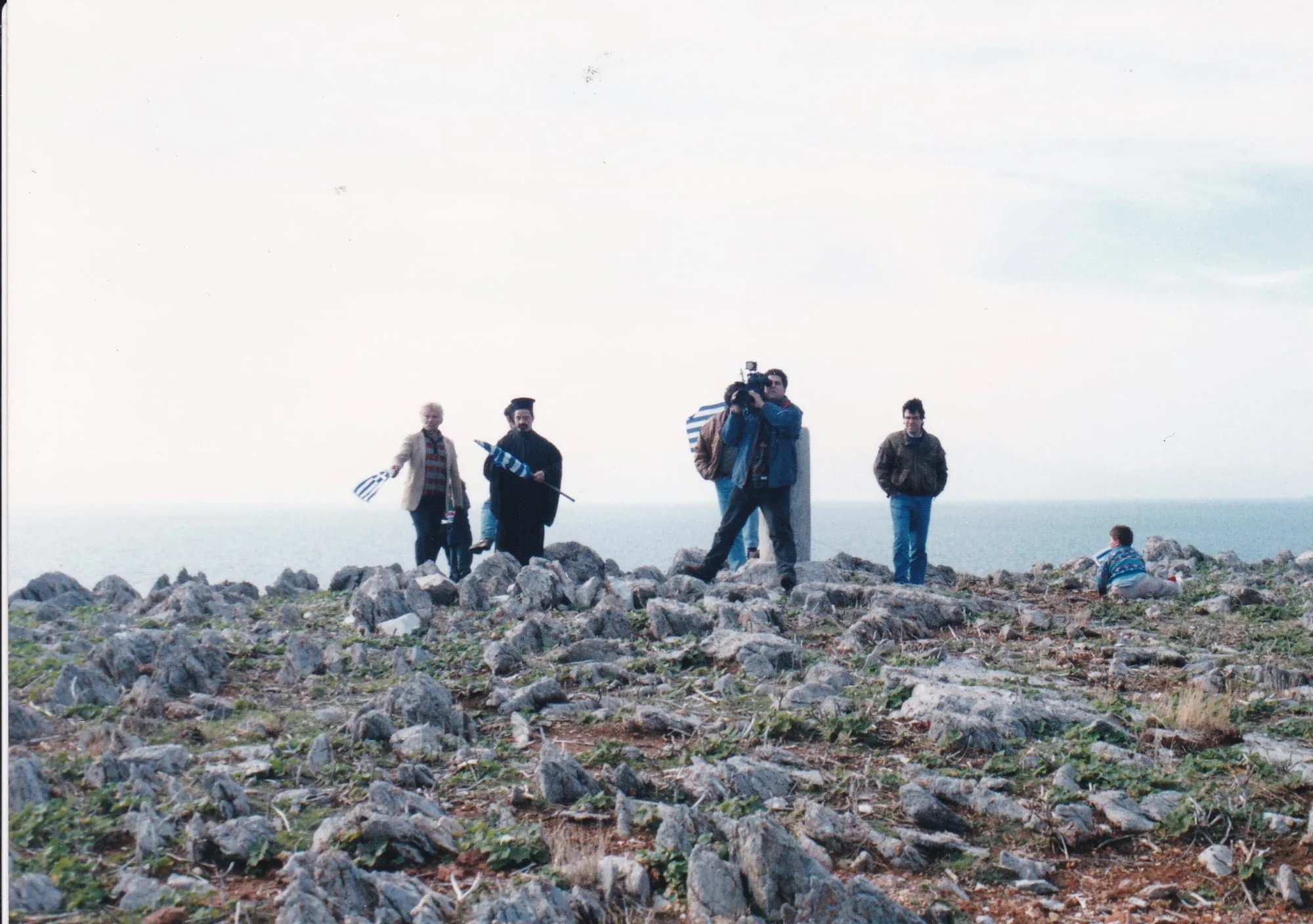
Besides the Antenna crew and the skipper Theofilis Milatos, nine residents of Kalymnos boarded the vessel, among them two children.
Theofilis Milatos's sons Antonis and Giannis (a minor). Angelos Olympitis and his (minor) son Giorgos. Manolis Othitis, a priest from Pserimos. Nikitas Xylouras, Michalis Mamouzelos, Giorgos Skyllas, Savvas Argyridakis.
They were, as it turned out, the last Greeks to stand on Imia all together before it became a «grey zone».
The «Yiannis Ierotheos» sailed from Kalymnos for the waters off Imia despite the objection of the coastguard, and after sharp exchanges between Theofilis Milatos and Argyris Dinopoulos and the coastguard officers at Kalymnos harbour.
On the Kalymnos–Imia passage the coastguard patrol boat tried, without success, to persuade Theofilis Milatos not to continue towards Imia, and there were heated exchanges too — over the radio frequency — between Argyris Dinopoulos and the head of the coastguard on Kalymnos.
(The impression the Antenna team formed, at any rate, was that the Kalymnos coastguard officers were relatively «tolerant» towards Theofilis Milatos because, over the years, he had made difficult sea crossings with the «Yiannis Ierotheos».
Mainly transporting the sick, in extreme weather, which without Milatos would have had to be done by the coastguard's own patrol boat — which, however, was not as seaworthy as the «Yiannis Ierotheos», quite apart from the difference, in Milatos's favour, in seamanship.)
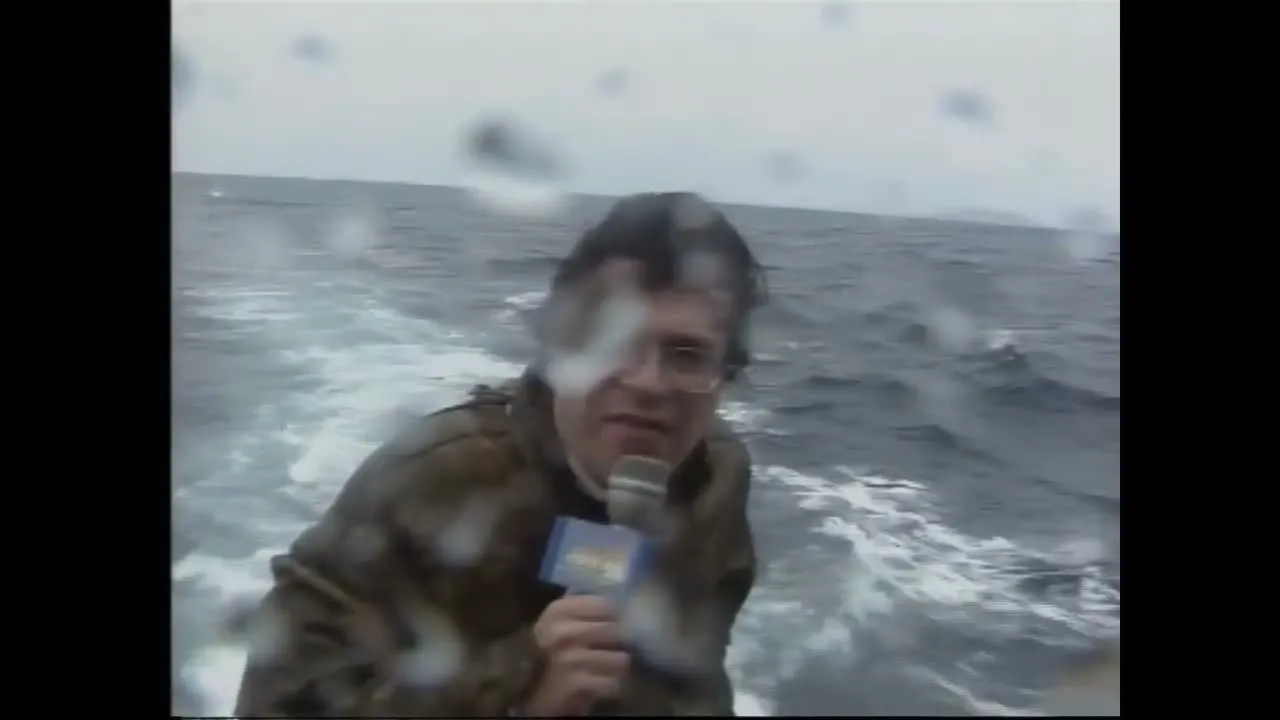
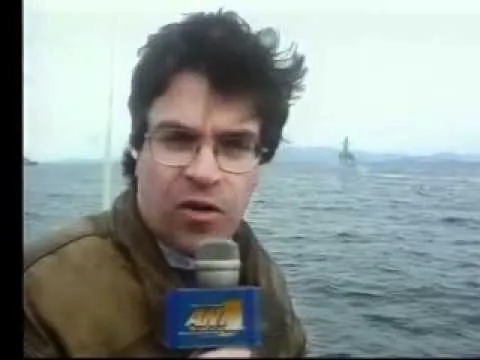
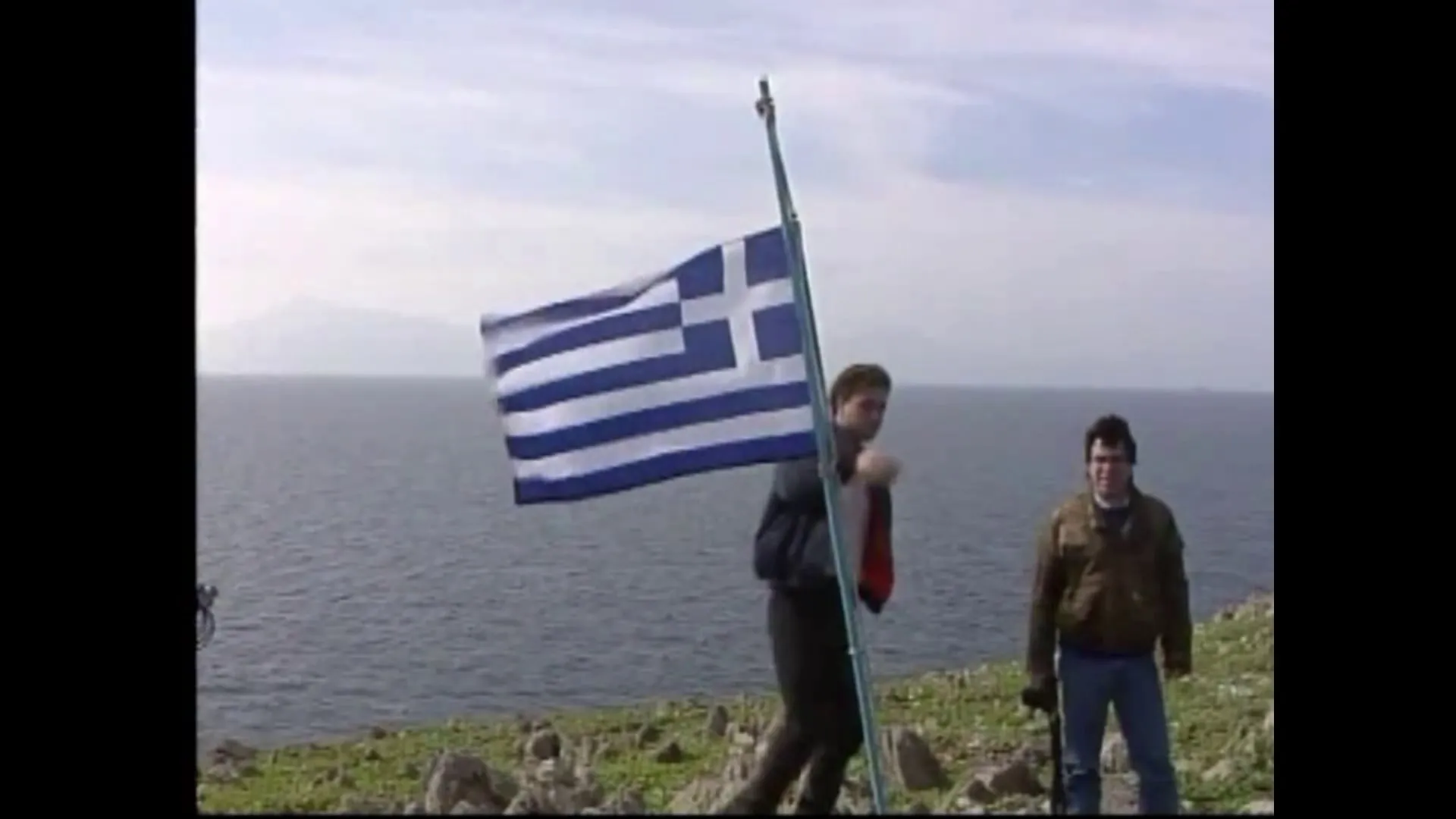
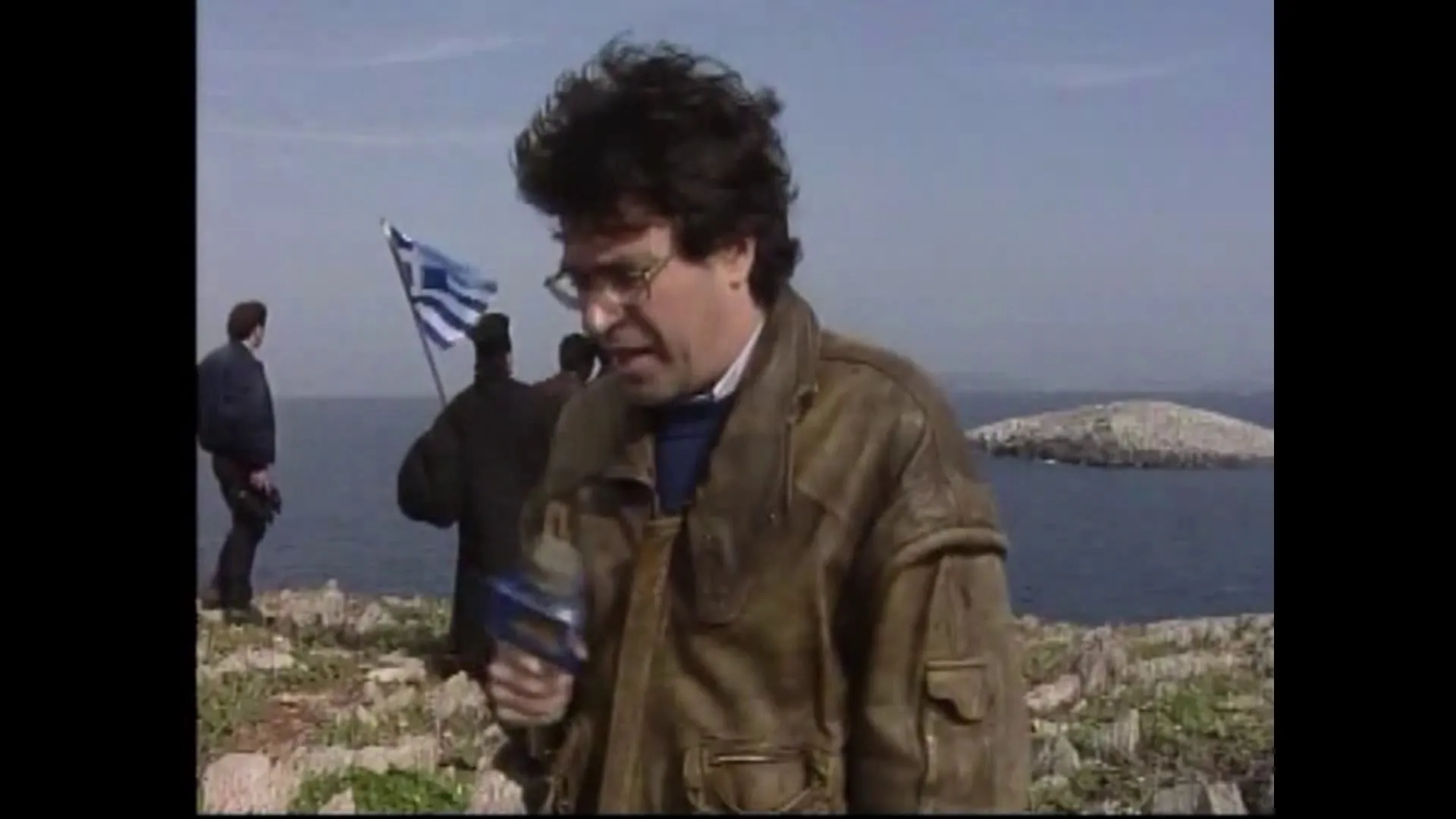
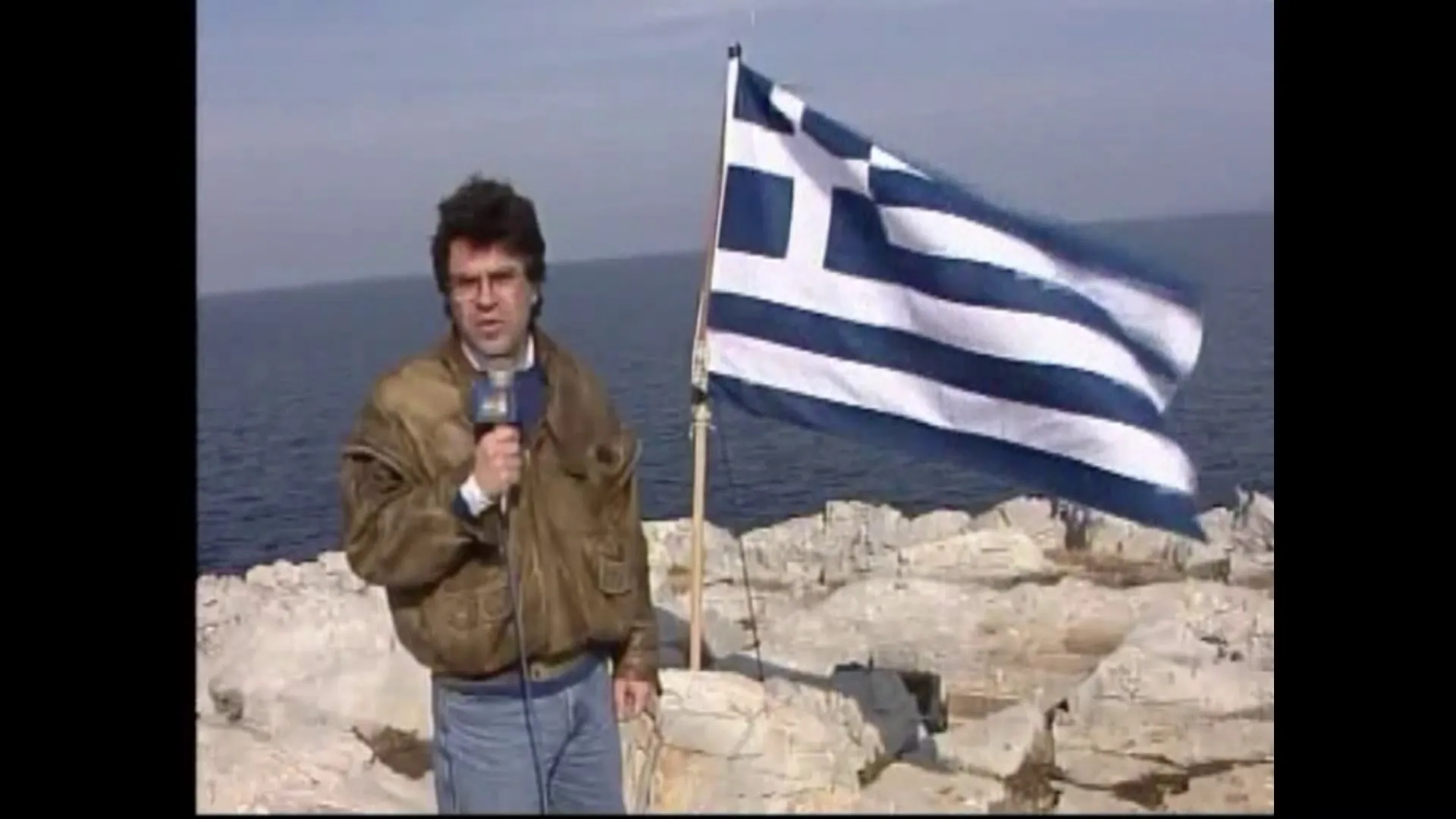
At around 11.00 on 29 January 1996, a Monday, the «Yiannis Ierotheos» reached West Imia, and the Antenna crew together with the nine Kalymnians landed on the islet, which was unguarded.
And that despite the fact that Greek and Turkish warships had already put in to the area, while Greek and Turkish military aircraft were flying low overhead.
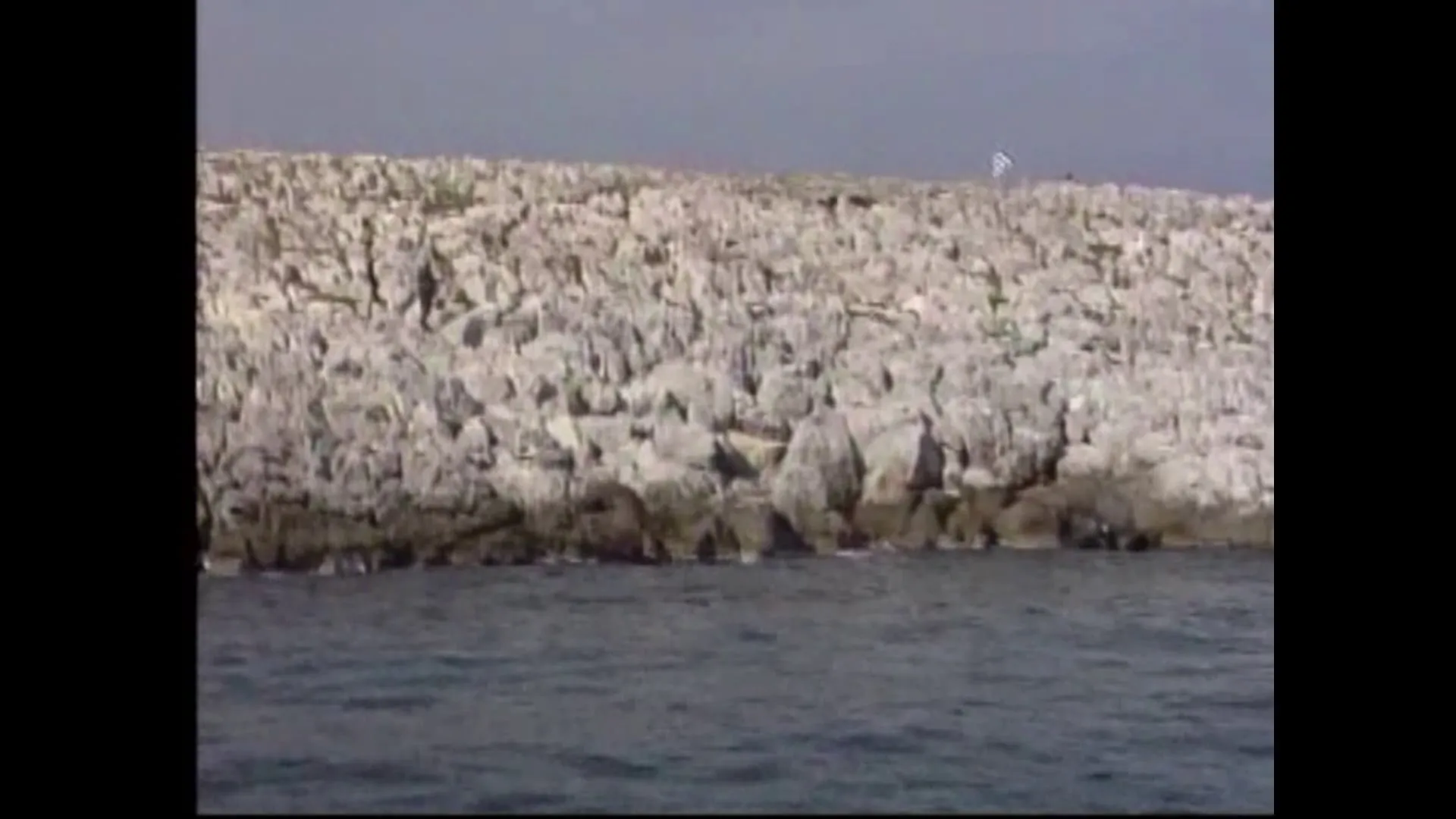
On West Imia a Greek flag was flying from a makeshift mast, placed there — according to testimony in the Open documentary from Petratas's wife, since he is no longer living — by Theofilis Milatos at dawn on Sunday 28 January 1996, as an «answer» to the Turks, who on Saturday 27 January 1996 had taken down the Greek flag from East Imia (which had itself been placed there on Thursday 25 January 1996 by Theofilis Milatos together with the mayor of Kalymnos, Dimitris Diakomichalis, and Michalis Arvithis, skipper of the vessel «Anna-Maria» that carried them to East Imia, and Giorgos Riolas, then a policeman on Kalymnos).
That Greek flag, placed on West Imia by Theofilis Milatos, was taken down by the Turkish commandos who seized the unguarded islet on the night of 30–31 January 1996.
According to testimony in the Open documentary from the commander of the Turkish commandos, Ali Türkşen, he took Theofilis Milatos's Greek flag with him when his team withdrew from West Imia on the night of 30–31 January 1996.
That flag — the one Theofilis Milatos raised on West Imia at dawn on Sunday 28 January 1996 — is held as a trophy in a Turkish military museum.
(The other Greek flag, placed on East Imia by Dimitris Diakomichalis on 25 January 1996 and lowered by the Turkish journalists on 27 January 1996, was taken away by them and is kept at the offices of «Hürriyet».)
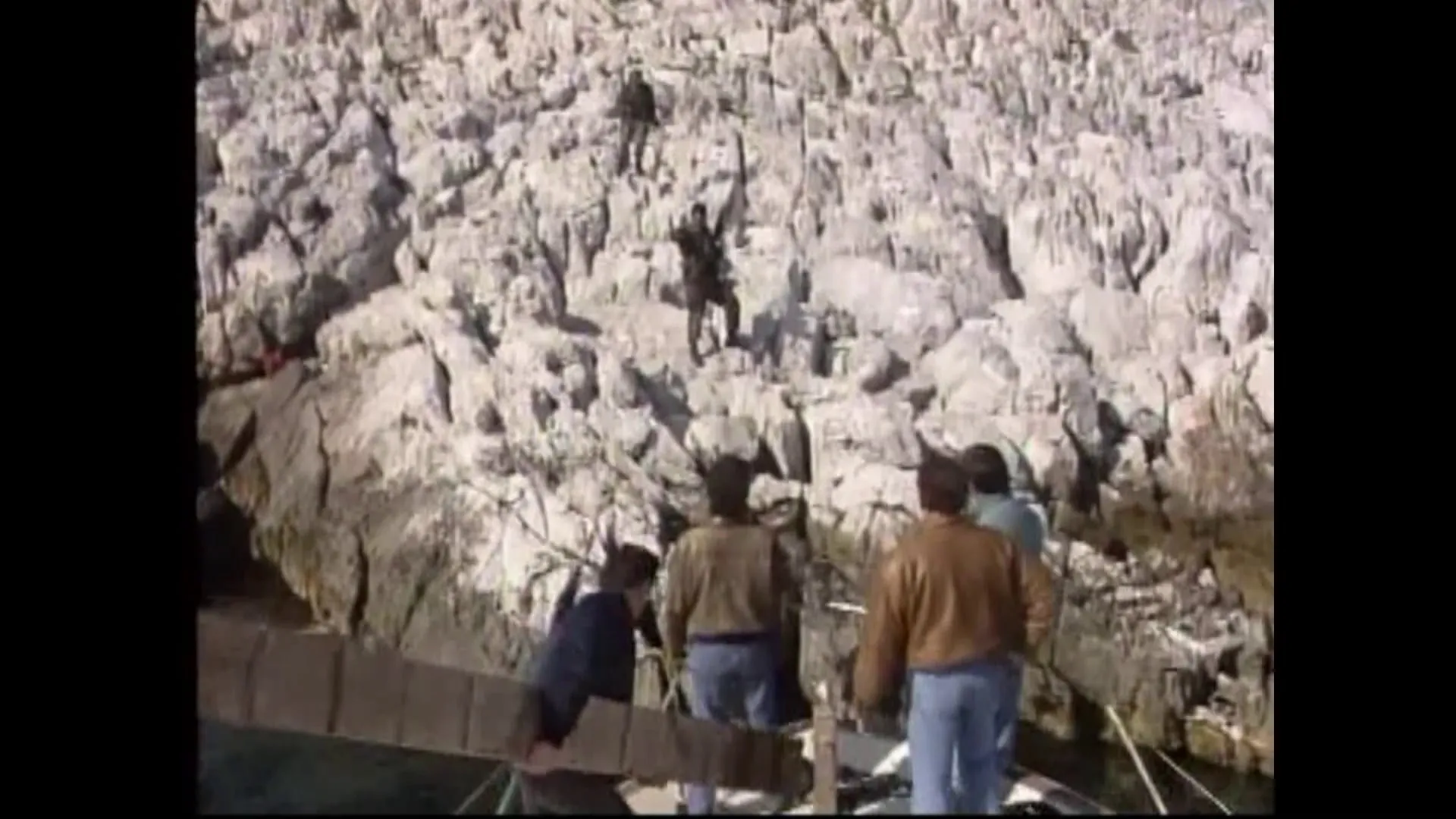
After West Imia the caique «Yiannis Ierotheos», on its way back to Kalymnos, stopped at East Imia, where men of the ΟΥΚ had landed — since the night of Sunday 28 January 1996 — to guard it.
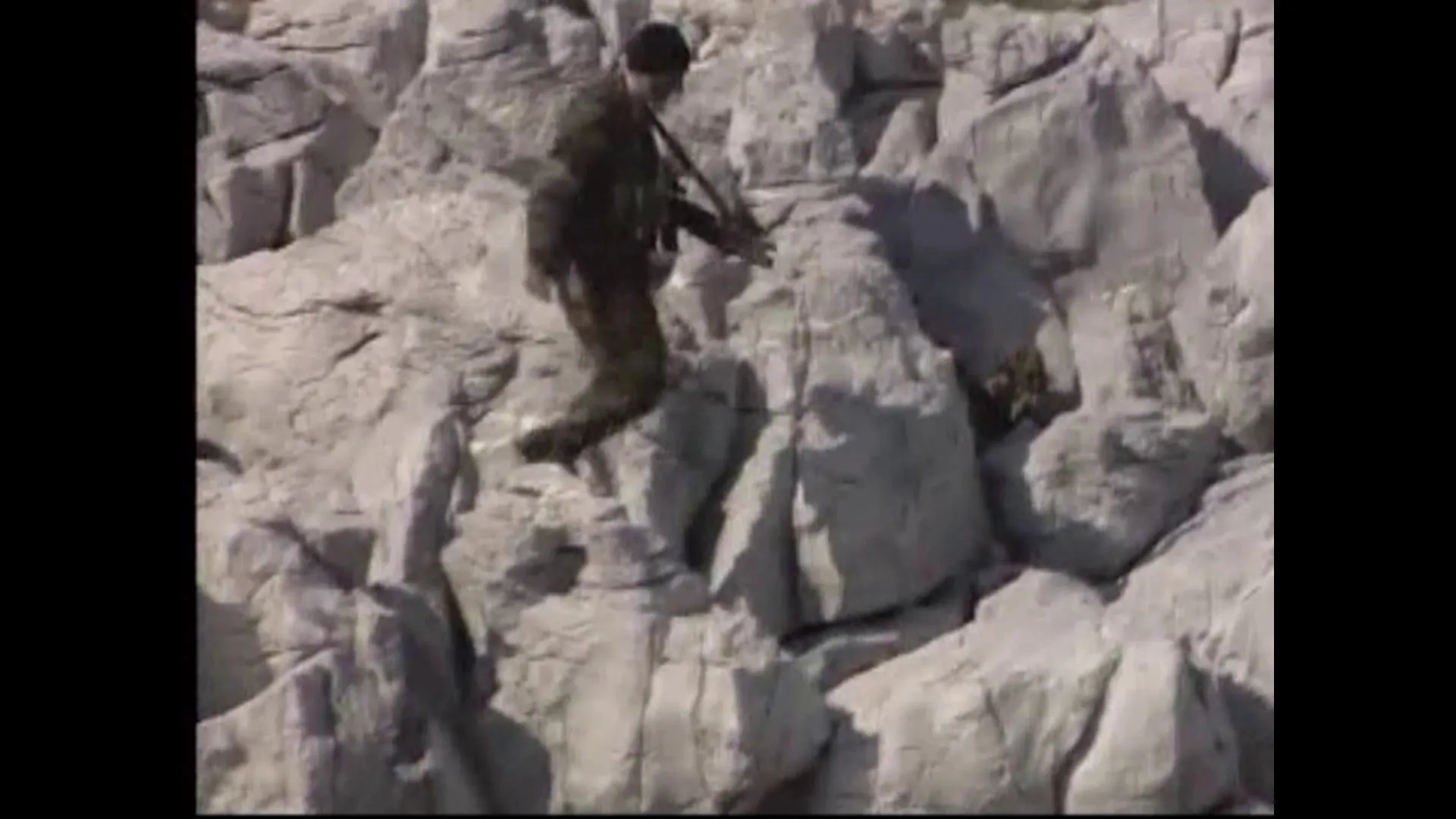
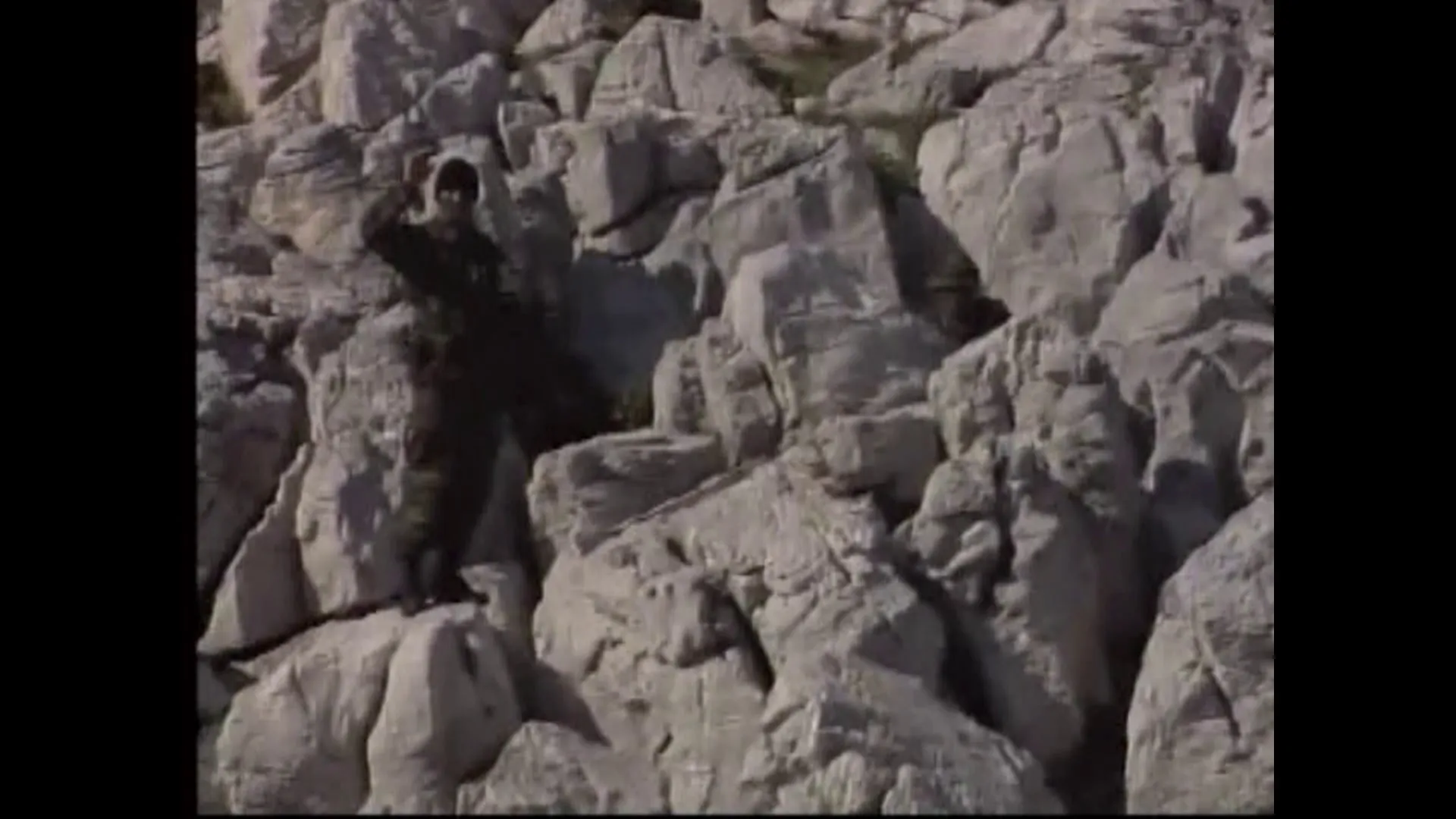
The ΟΥΚ commander allowed Argyris Dinopoulos and the Antenna crew to climb onto the islet to record the presence of the Greek flag on East Imia.
This was the official war ensign that the crew of the navy patrol boat «Antoniou» had raised on East Imia the previous day, Sunday 28 January 1996, when they took down the Turkish flag the Turkish journalists had raised there on Saturday 27 January 1996.
That ensign was lowered, on orders, by the commanding officer of the navy vessel «Pyrpolitis», Ioannis Pattas, at dawn on 31 January 1996, a Wednesday, after the Greek–Turkish disengagement agreement (no flags, no ships, no army) reached through American mediation.
The following day, 30 January 1996, a Tuesday, Argyris Dinopoulos and the Antenna crew — this time with Panagiotis Lianos on camera and Stathis Papageorgiou on sound — again attempted to approach the Imia area aboard the «Yiannis Ierotheos».
The blockade of the waters off Imia by navy and coastguard vessels was total, however, and the «Yiannis Ierotheos» could not «break» it as it had managed to do the day before.
The Antenna team was overnighting on Kos, because the OTE exchange on Kalymnos could not send television material to Athens, and this was done from the OTE exchange on Kos.
The Kos–Kalymnos leg — from where the Antenna team then went on to Imia aboard the «Yiannis Ierotheos» — was flown in Minos Kyriakou's helicopter.
On the morning of 31 January 1996, a Wednesday, the pilot Andreas Kontogiannis was hesitant about making even that brief Kos–Kalymnos flight, barely ten minutes long, because of the weather.
In the end it was made, after Argyris Dinopoulos insisted.
Equally hesitant was the skipper of the «Yiannis Ierotheos», Theofilis Milatos, about the Kalymnos–Imia passage, since the weather did not allow sailing.
It took no great effort to persuade him, however, and so the «Yiannis Ierotheos» left Kalymnos for the Imia area at around 08.30 on Wednesday 31 January 1996.
Besides the Antenna television crew, Theofilis Milatos's son Antonis and Manolis Alachouzos were aboard.
Unlike the two preceding days — 29 and 30 January 1996 — the Antenna team met no difficulty at all in bringing the «Yiannis Ierotheos» in to Imia.
There was no longer any vessel in the waters off Imia, under the disengagement agreement reached a few hours earlier (no ships, no flags, no army).
The «Yiannis Ierotheos» approached West Imia unhindered at around 09.45 on 31 January 1996. That is, roughly four hours after the helicopter came down.
Despite Argyris Dinopoulos's insistence, Theofilis Milatos refused to tie up at West Imia — as he had done exactly two days earlier, on 29 January 1996, when the sea had been almost completely calm — assuring Argyris Dinopoulos that if he tried, the vessel would be «smashed» on the rocks of West Imia.
So the «Yiannis Ierotheos» came within a very few metres of the islet of West Imia, and Argyris Dinopoulos recorded the removal of the Greek flag, and the fact that there was no military presence whatever on West Imia. The report went out on Antenna's news bulletin on the evening of 31 January 1996.