Sarajevo (1992)
The most extensive version of the Sarajevo material — the same starting point as the central documentary, at greater length, with more room for the images of the besieged city.
Archive · War Reports
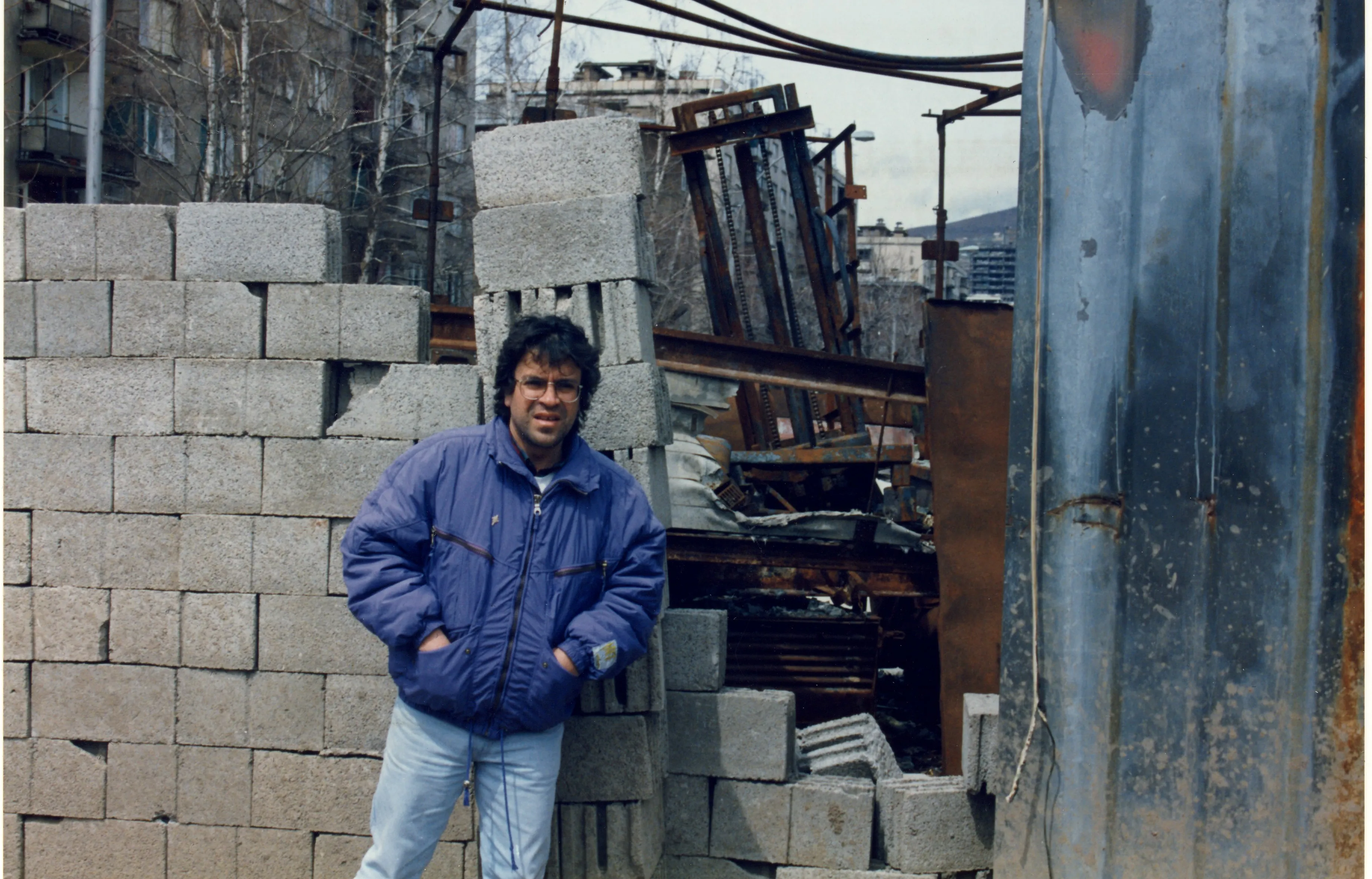
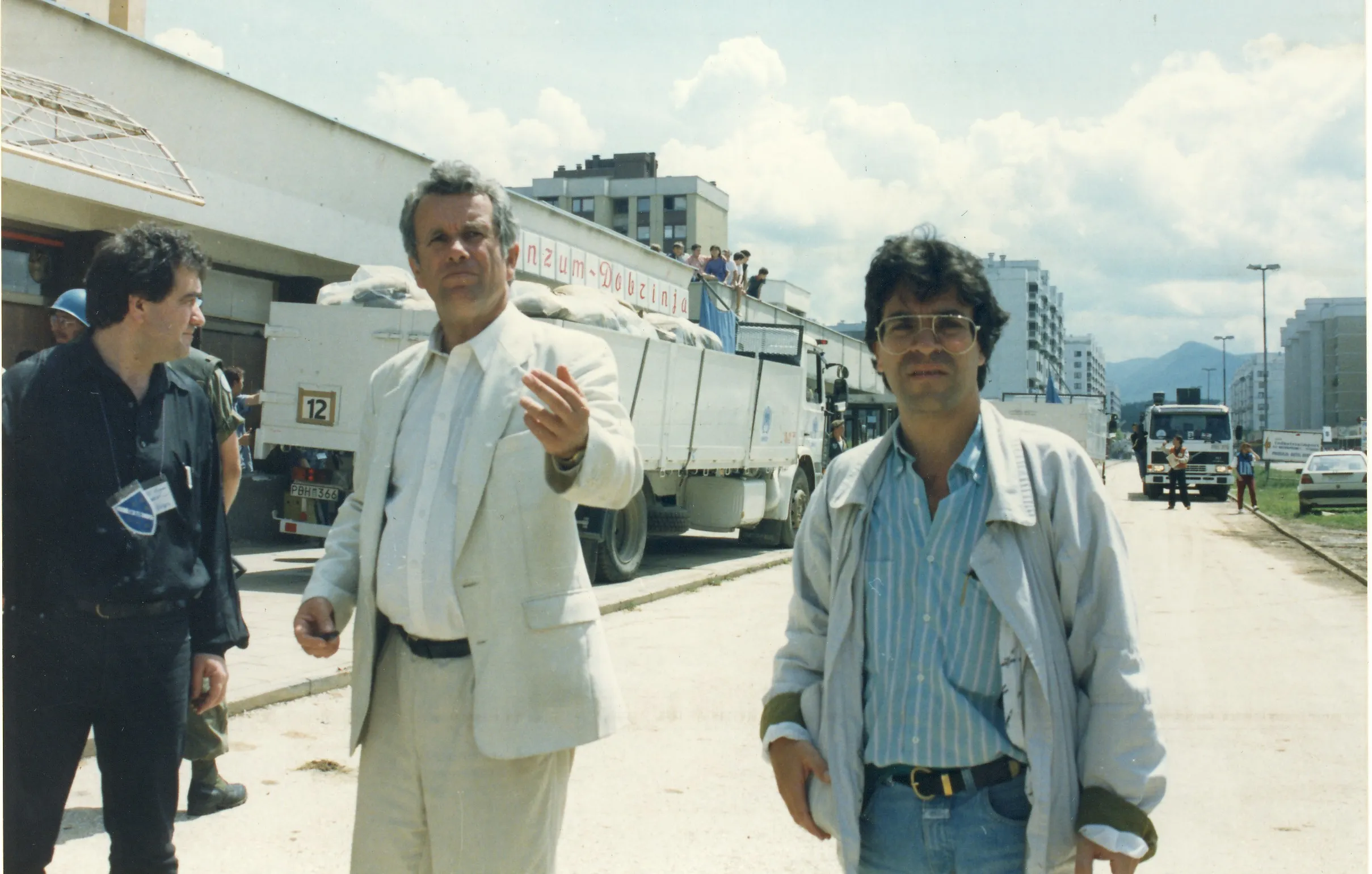
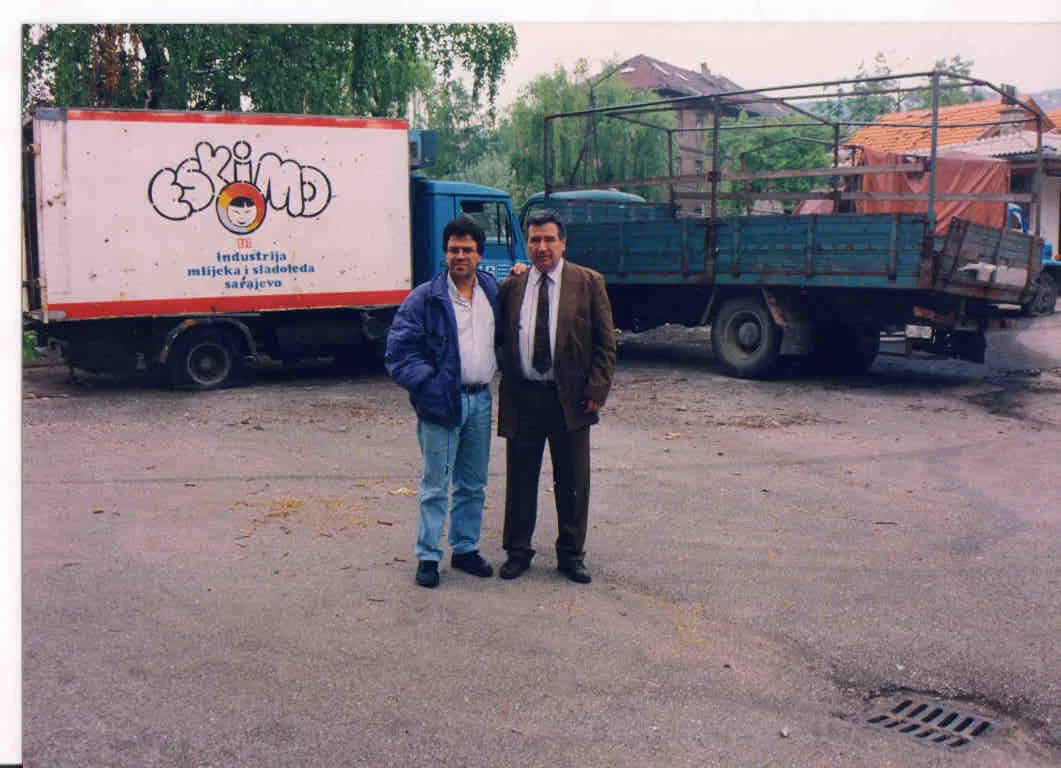
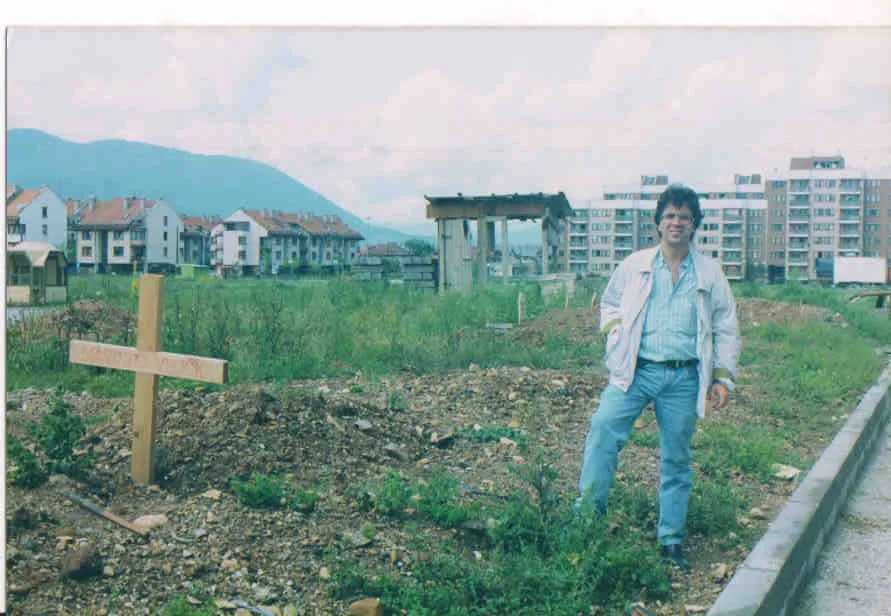
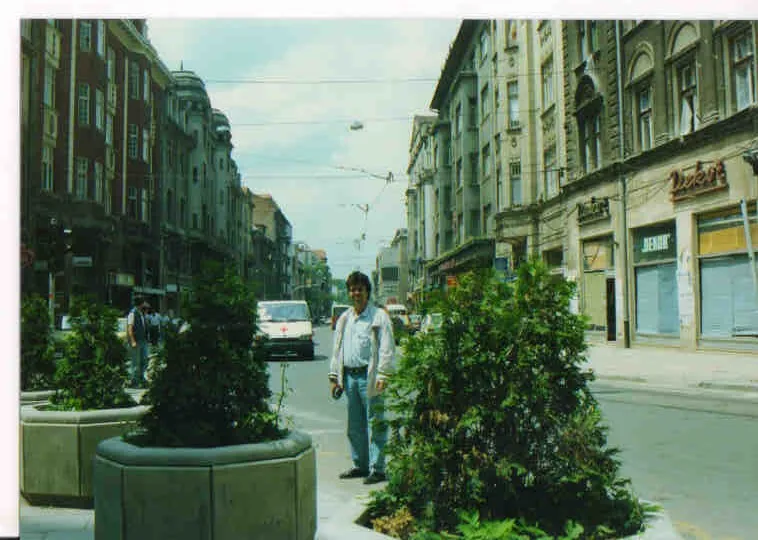
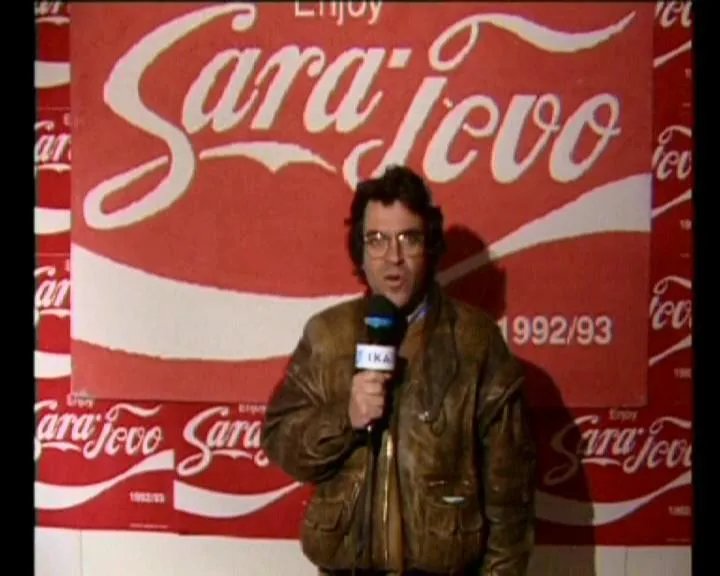
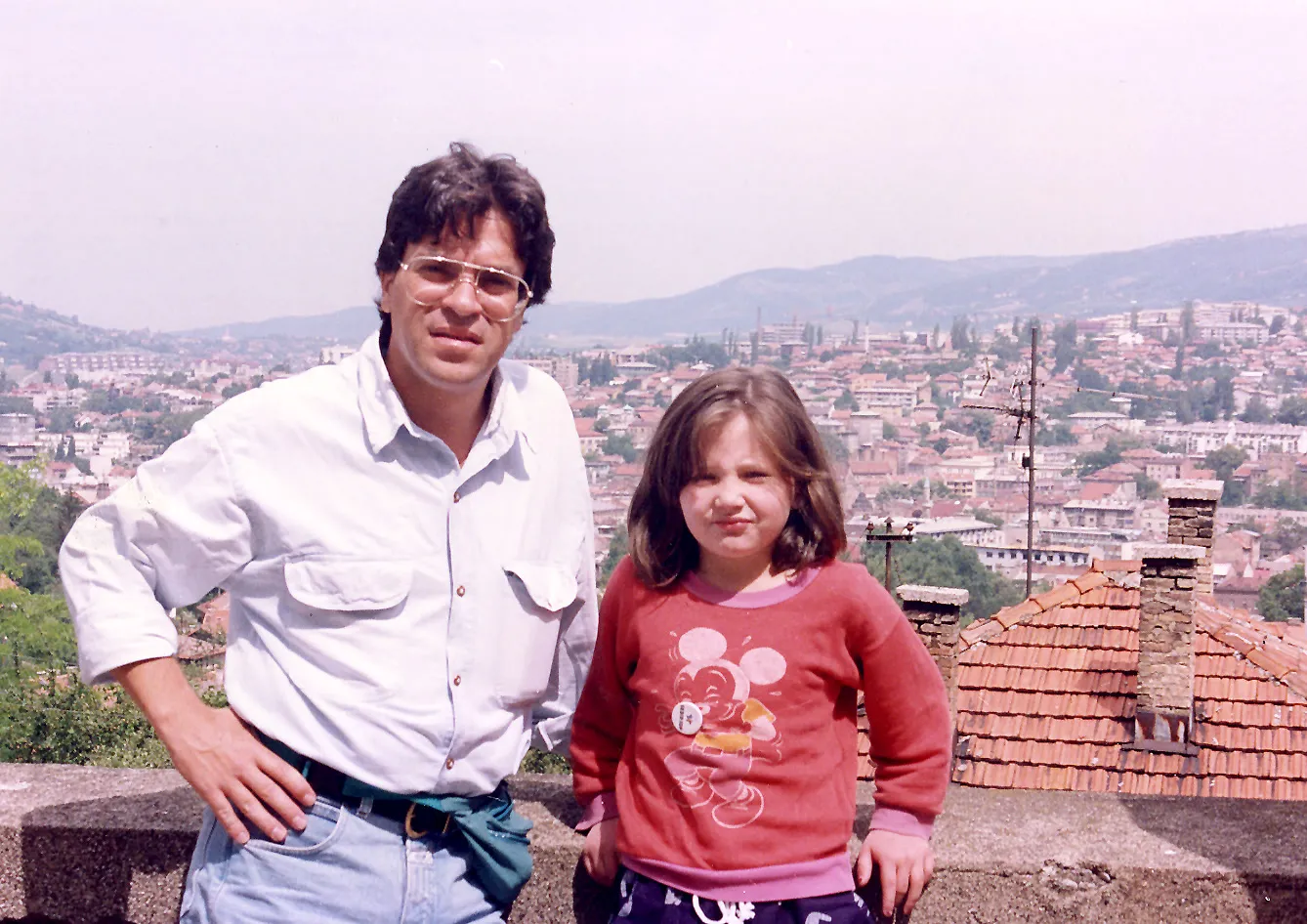
The siege of Sarajevo was the longest siege of a European capital in the twentieth century — and Argyris Dinopoulos covered it from the inside. A correspondent for the public broadcaster ERT, he entered the besieged city in July 1992 and returned again and again — later for SKAI and Antenna — until the end of the war, in 1995; the same experience gave rise to his first book, "Is This Sarajevo?" (1993). This dossier gathers the central documentary of the siege, the longer documentaries on Bosnia and the individual war reports — together with the photographic archive.
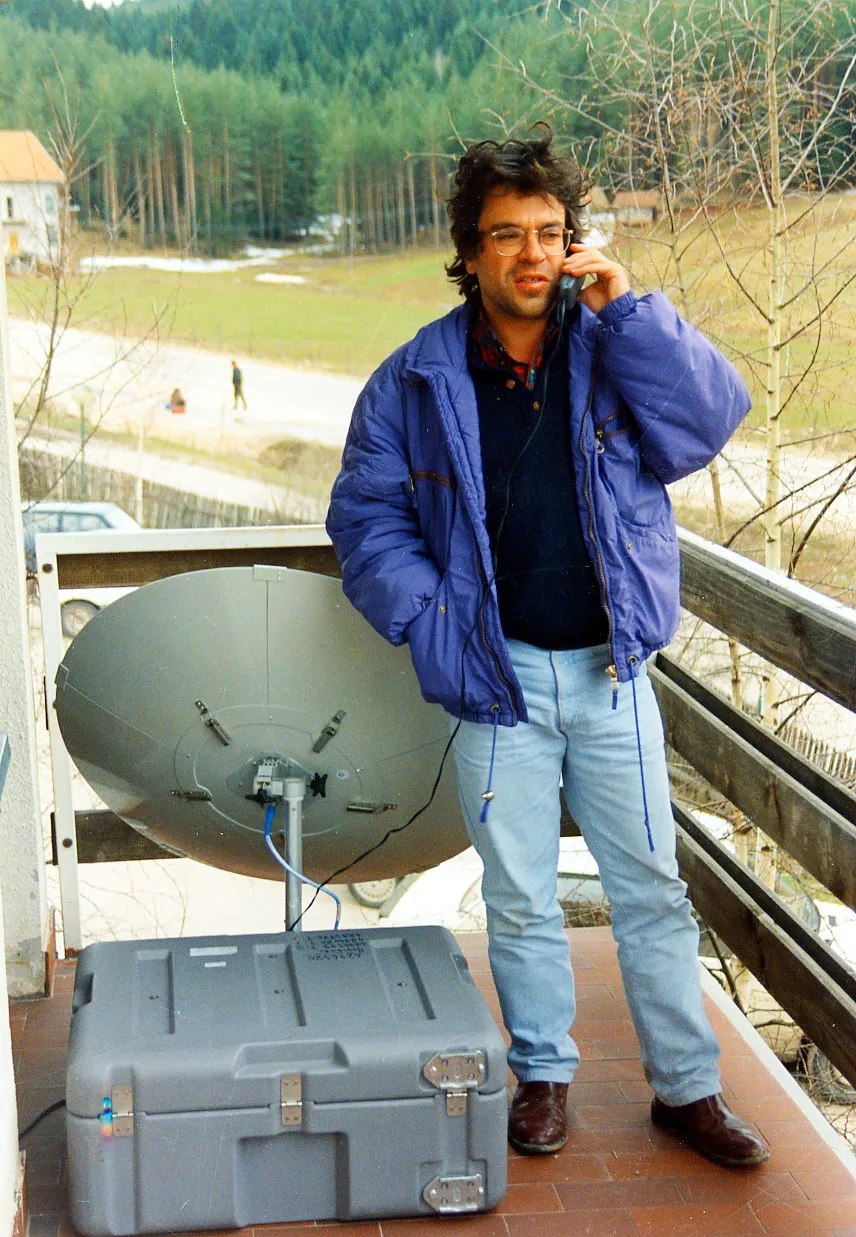
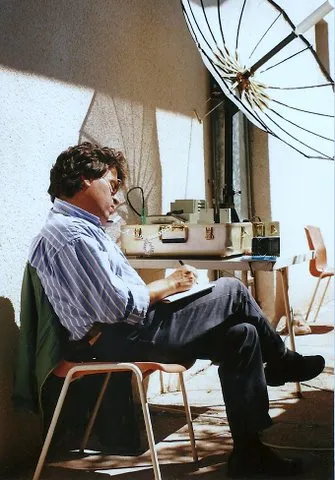
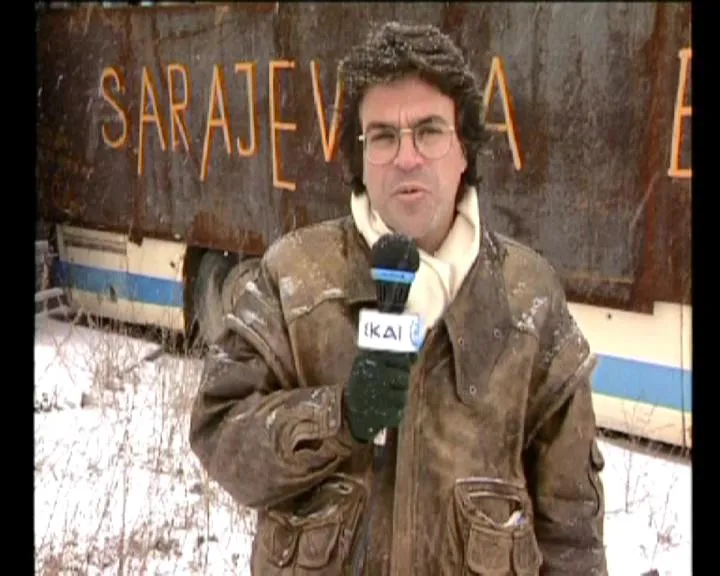
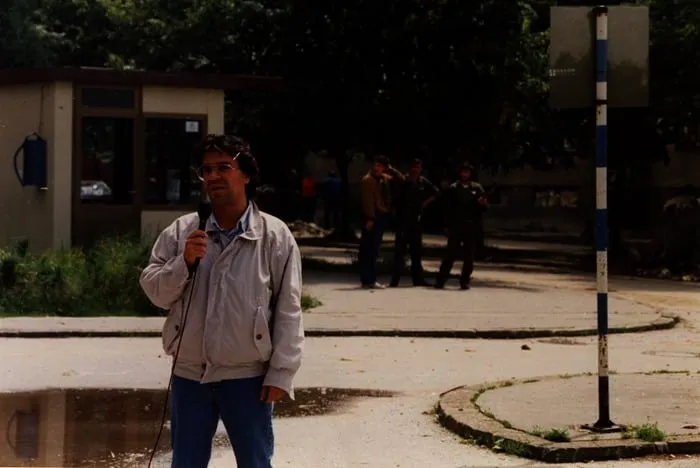
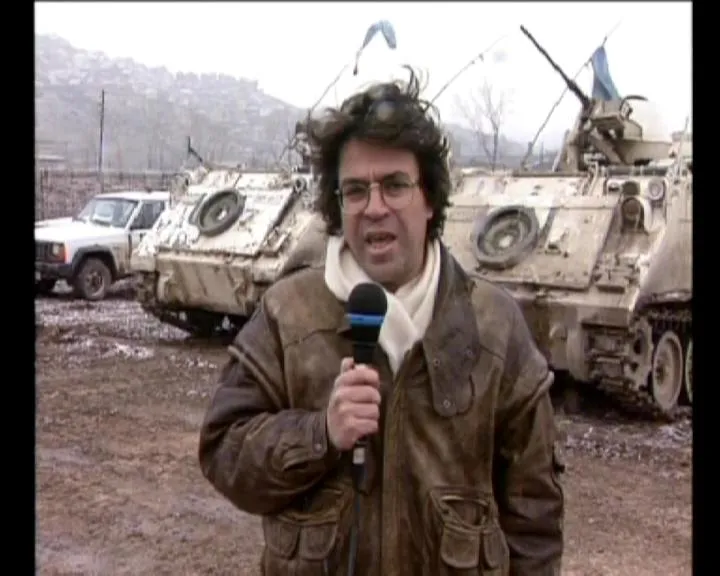
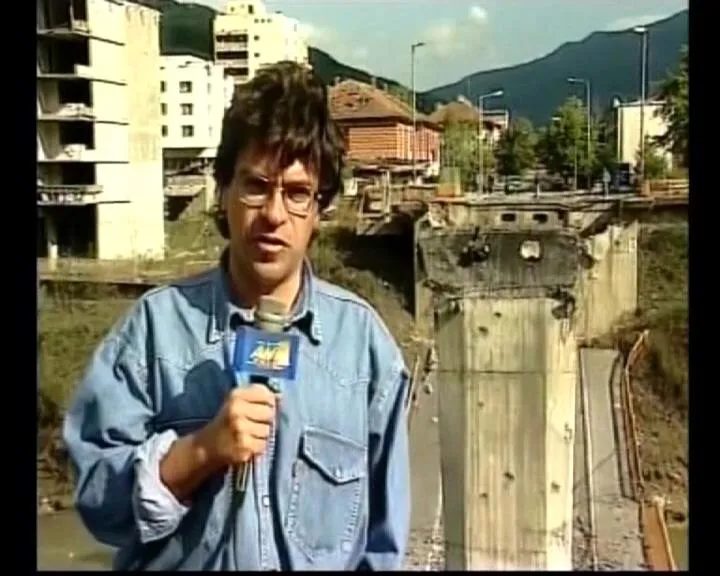
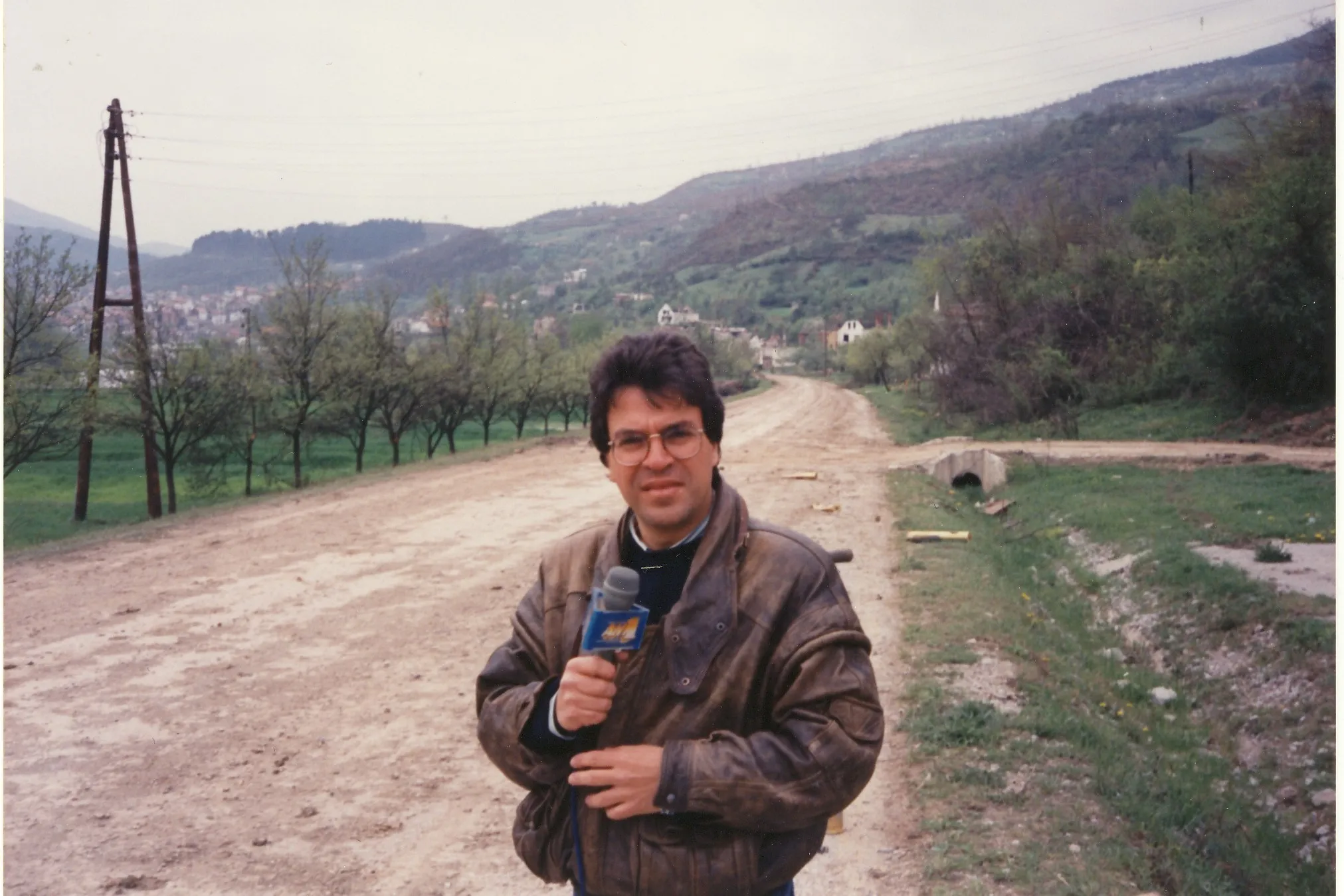
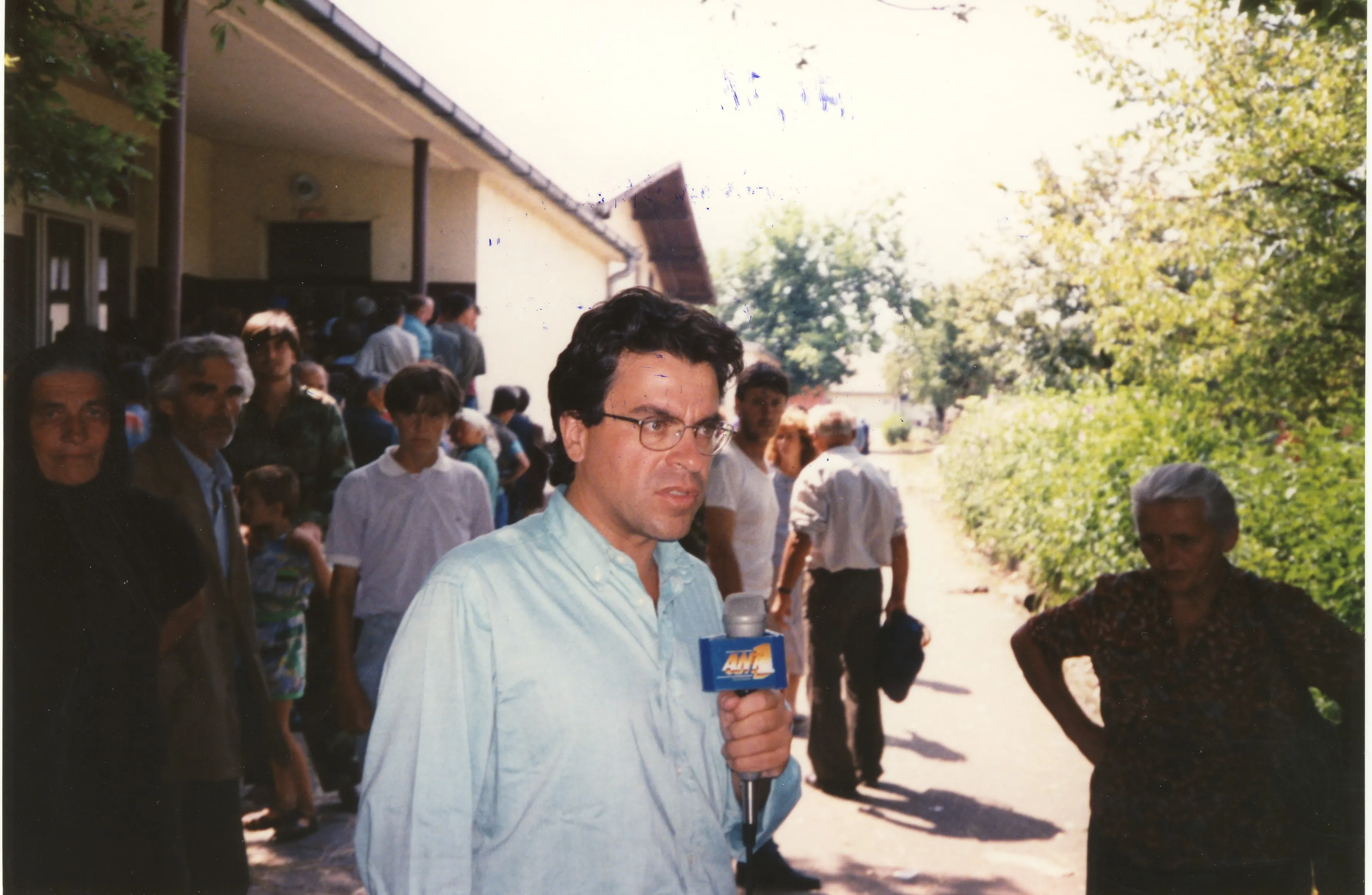
Argyris Dinopoulos covered the war in Bosnia and the siege of Sarajevo, at first as correspondent for SKAI 100.4 FM at Pale, 33 kilometres outside Sarajevo, where the Bosnian Serbs had their seat after leaving the city.
Transmissions were made by satellite telephone, since the ground telephone lines were not working.
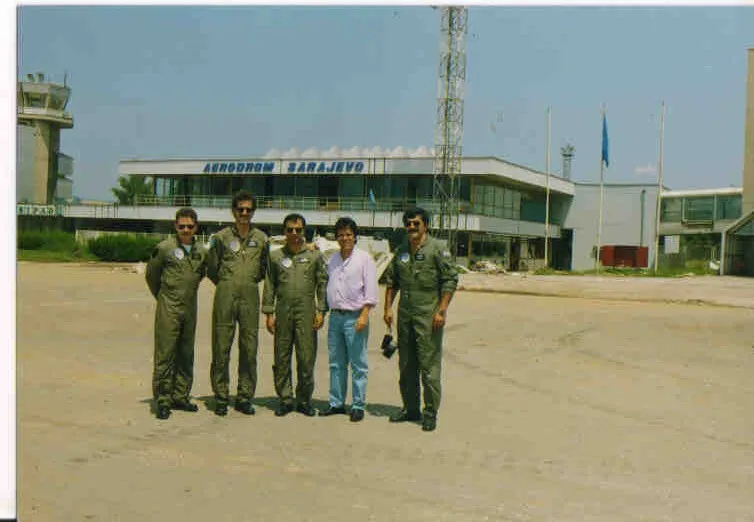
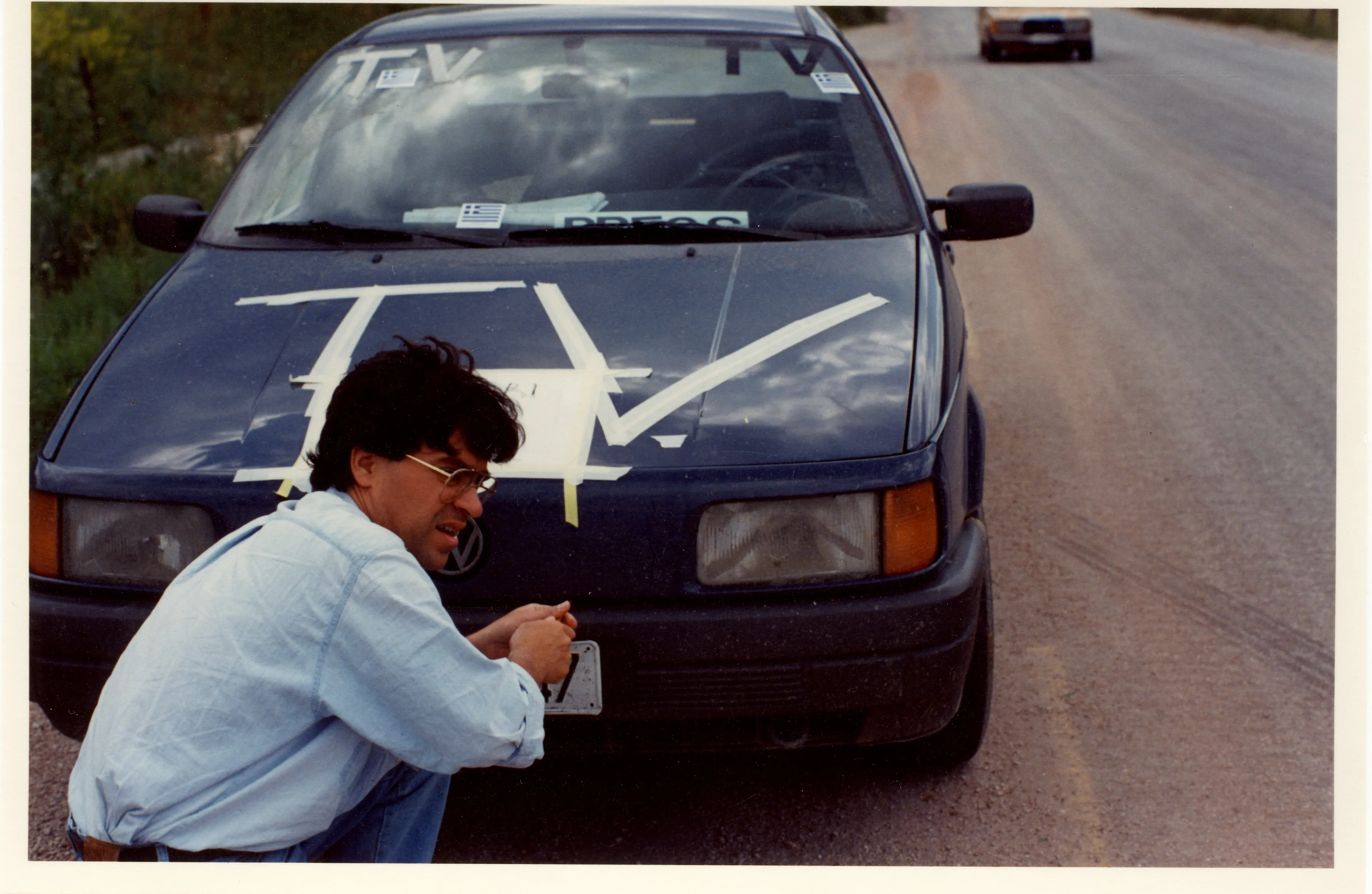
In July 1992, however, as ERT's correspondent, he boarded the C-130 transport aircraft carrying humanitarian aid into Sarajevo, and so became the first Greek journalist to enter the Bosnian capital while it was under siege by the Bosnian Serbs.
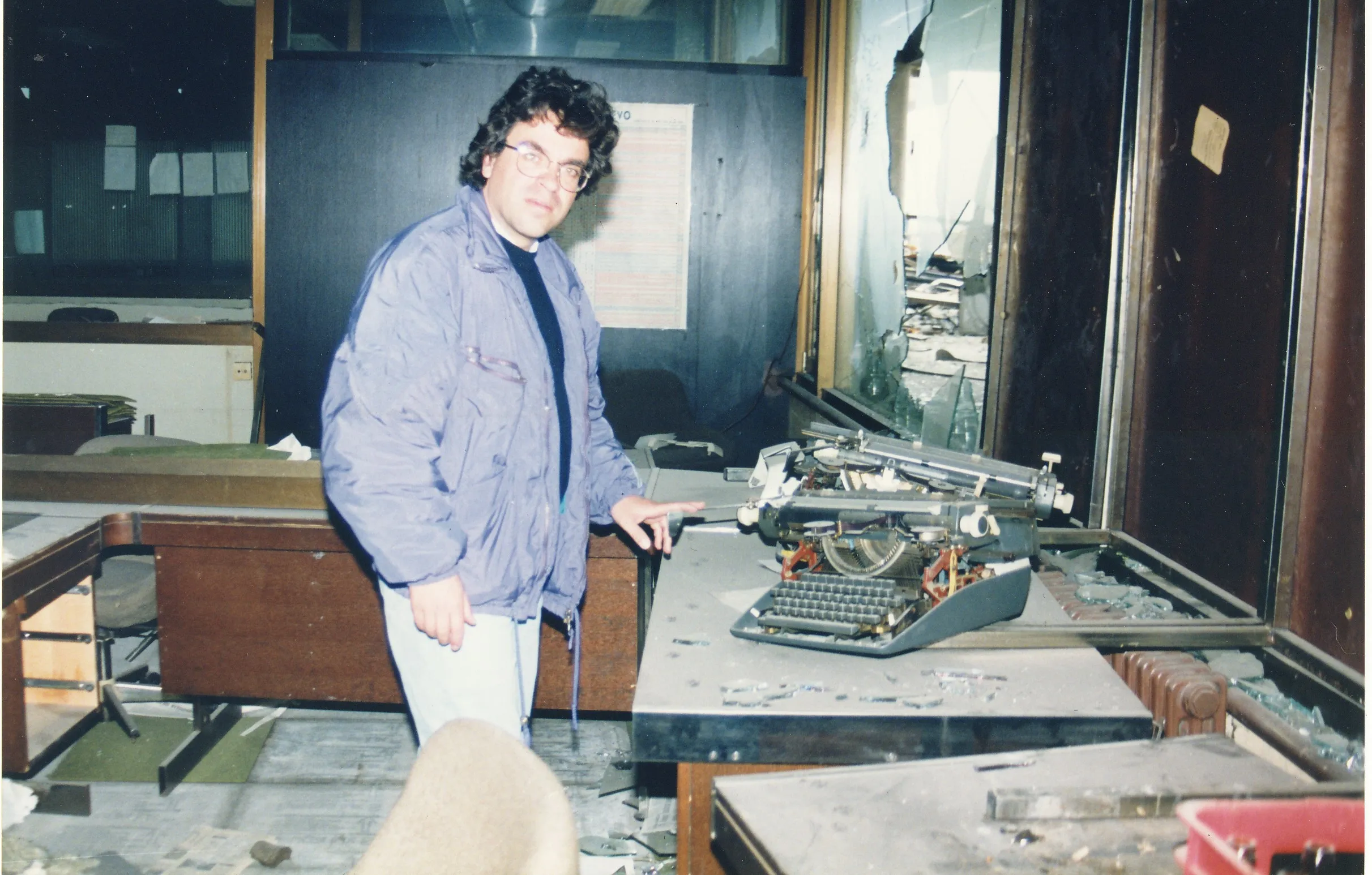
At the (shelled) Holiday Inn, where all the foreign war correspondents had put up, he had the chance to meet veterans of the war in Vietnam — the Briton Martin Bell and the American Peter Arnett — from whom he drew valuable experience, and also war correspondents of his own generation such as Christiane Amanpour.
The crew of the military C-130 transport had orders, on its return, to carry to Athens the wife and daughter of the Panathinaikos coach Ivica Osim, who were trapped in the besieged city.
This proved practically impossible, since the C-130 took off almost immediately after the humanitarian aid was unloaded, because Sarajevo airport was under relentless bombardment.
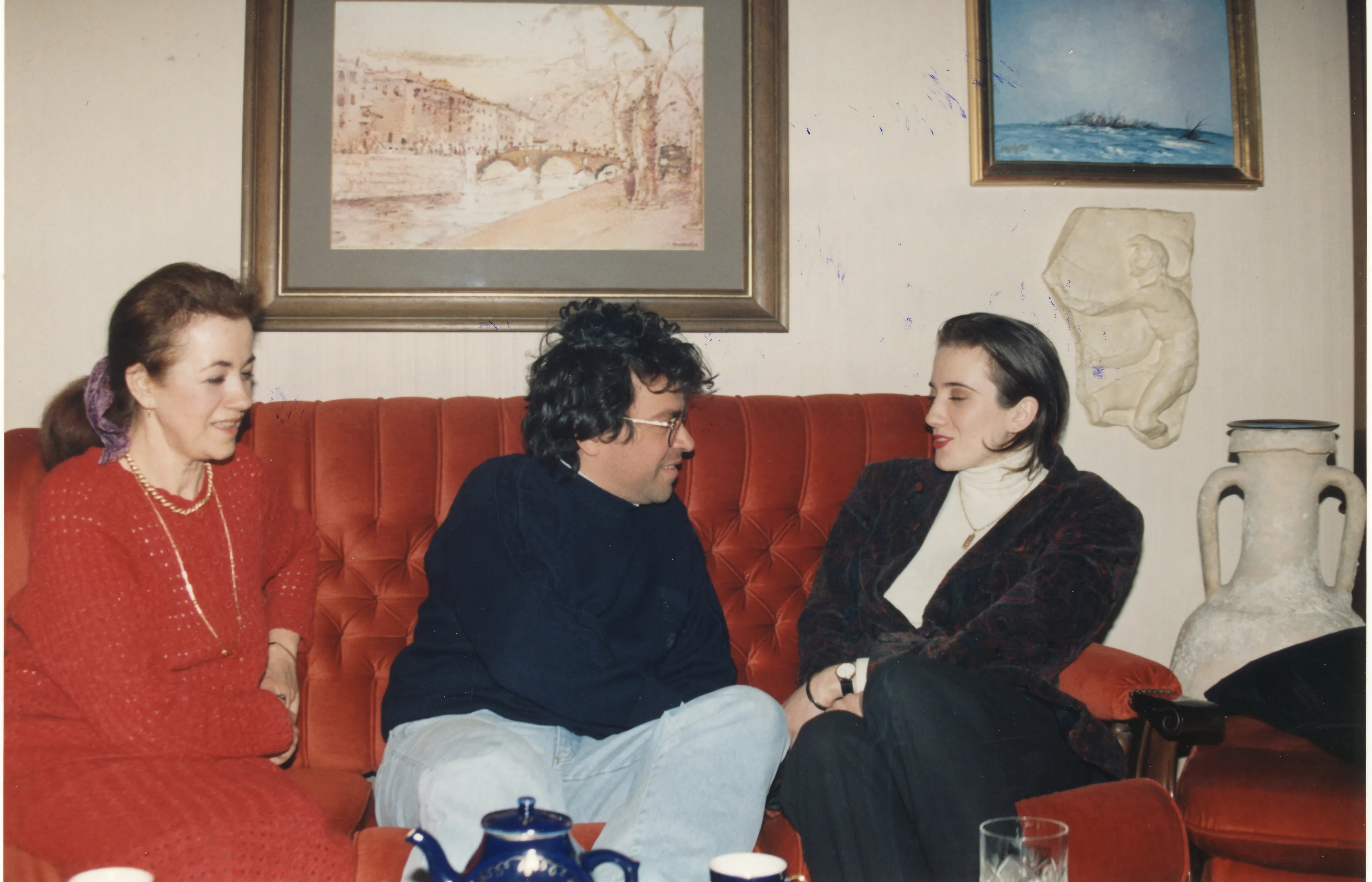
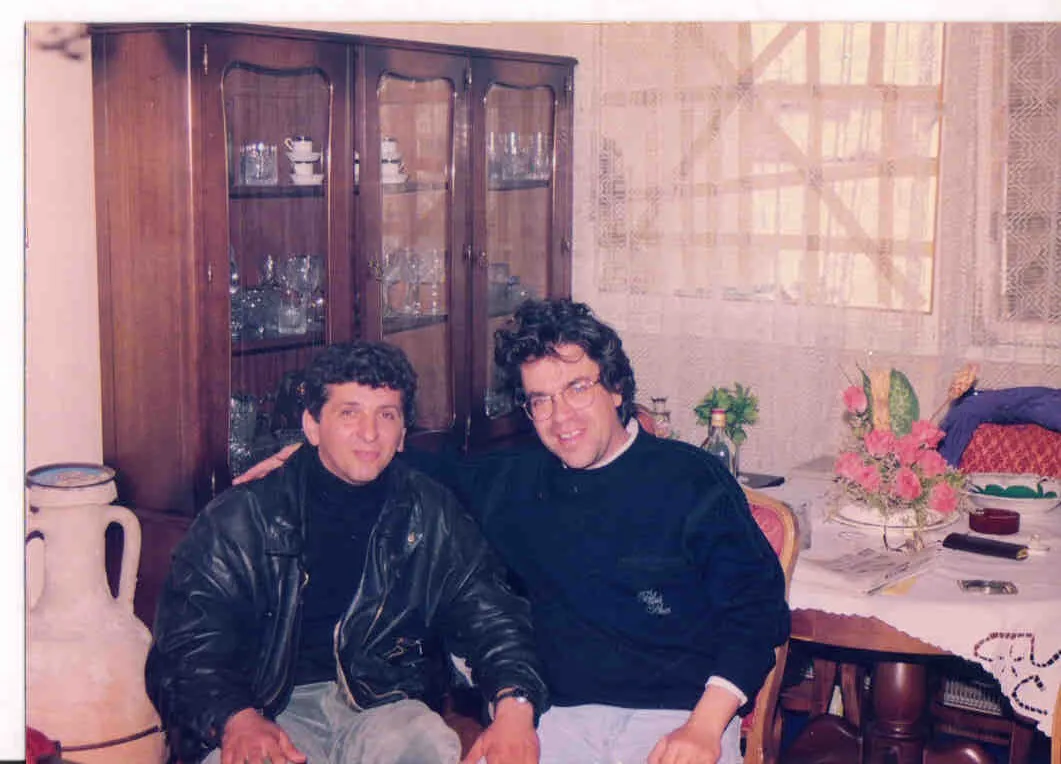
And so Argyris Dinopoulos, who stayed behind in Sarajevo to cover the war, became from then on the link between Ivica Osim — with whom he formed a personal friendship — and his family.
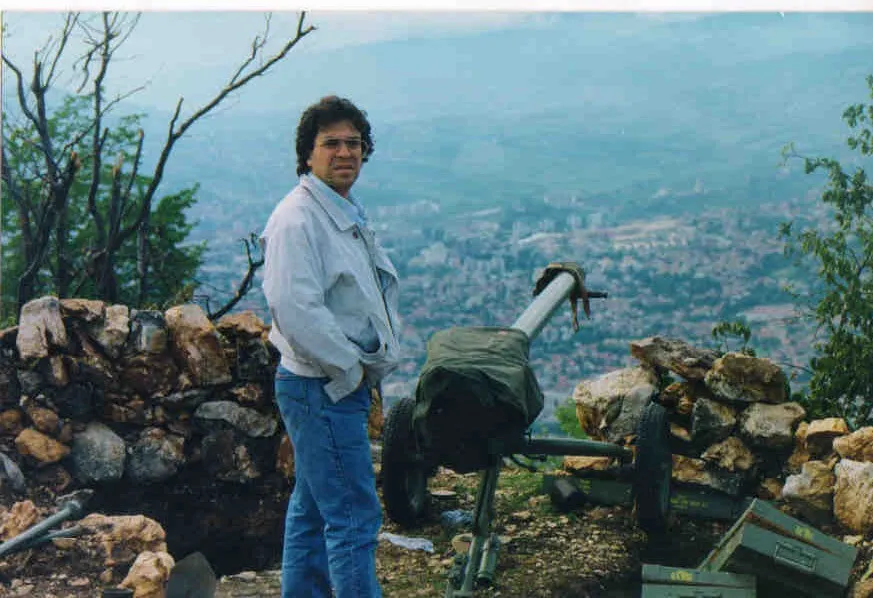
From July 1992 until the end of the siege of Sarajevo in 1995, Argyris Dinopoulos made continuous reporting assignments to the Bosnian capital.
In 1993 he published the book «Αυτό είναι το Σαράγιεβο;» — “Is This Sarajevo?”, with a preface by Ivica Osim — a chronicle of the siege and a record of life inside Sarajevo, with the testimony of its inhabitants and the disclosure of shattering events and scenes from the siege.
At that time, in the summer of 1993, it was the first book written anywhere in the world about the siege of Sarajevo, and for that reason it was translated into English at once.
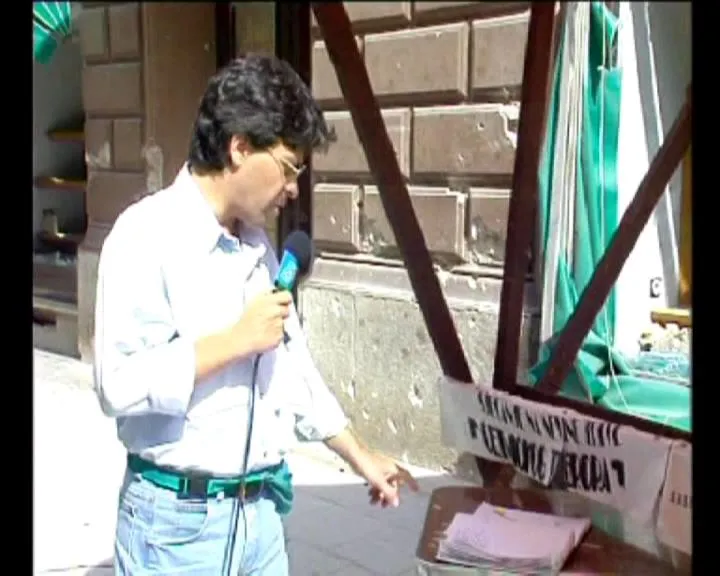
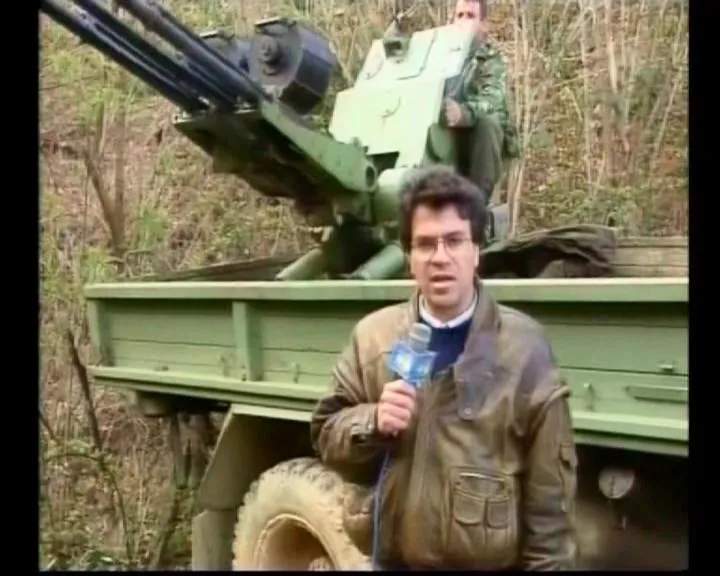
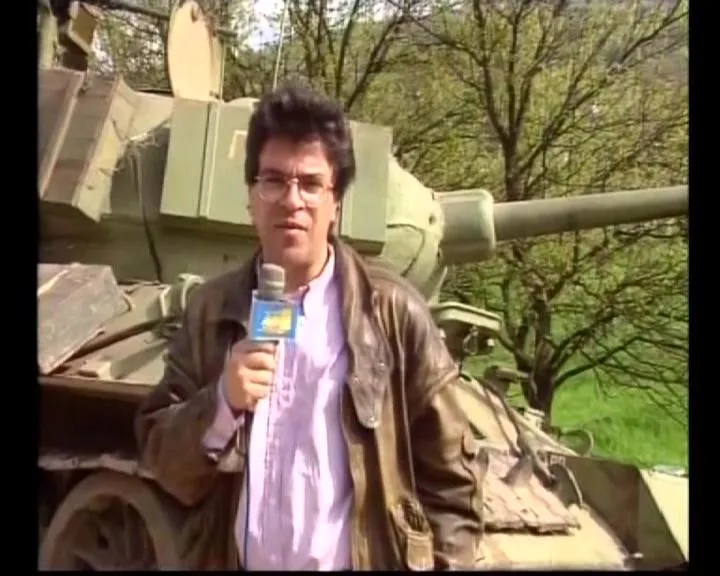
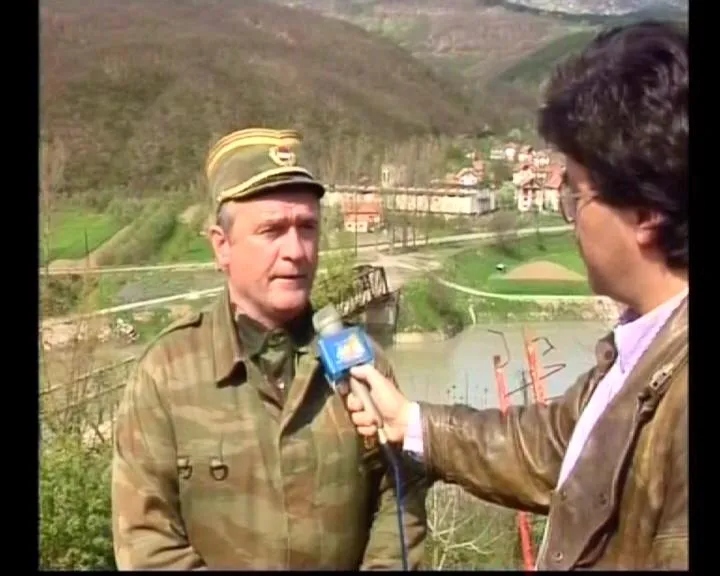
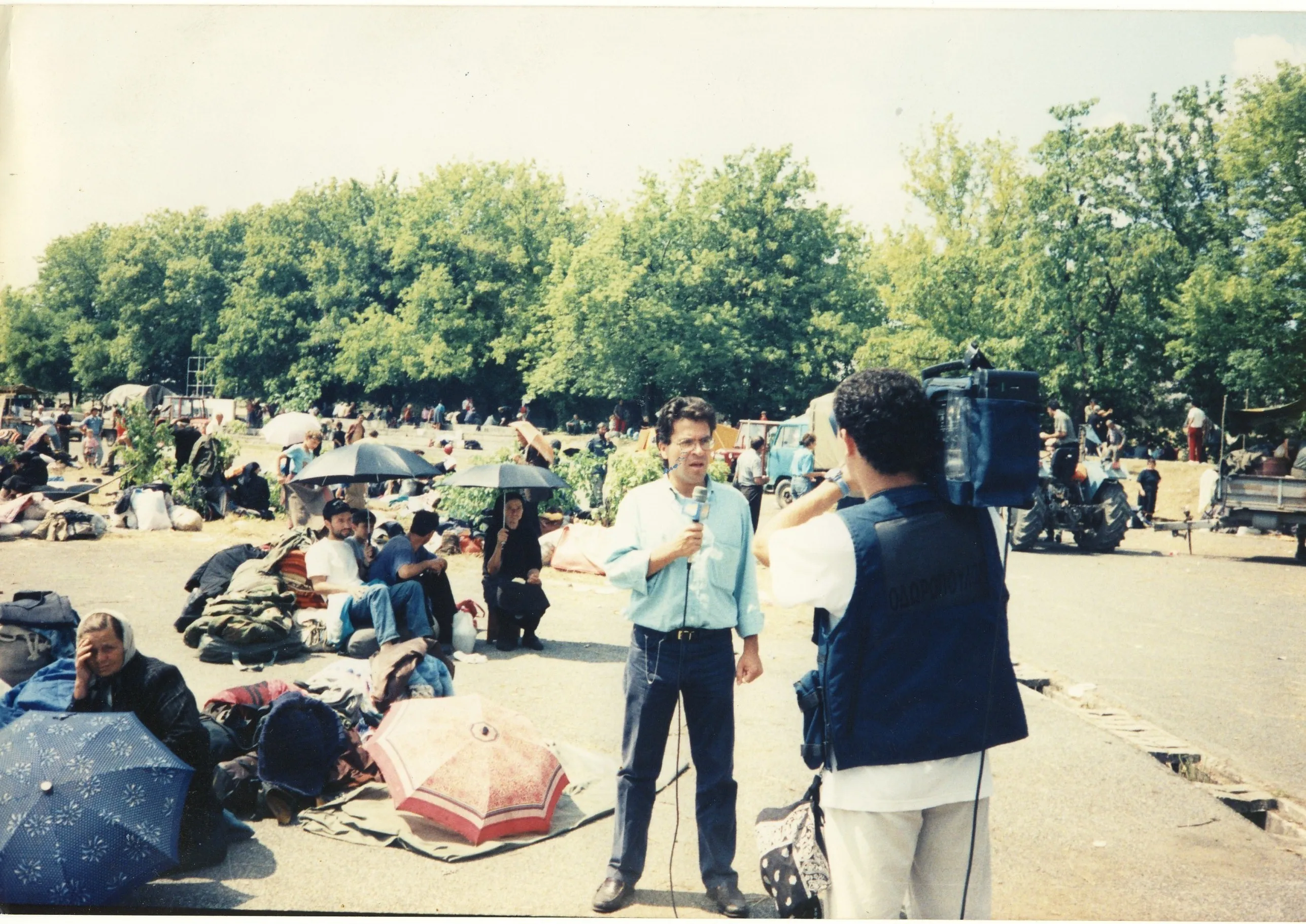
Throughout the war in Bosnia (1992-1995) Argyris Dinopoulos, as correspondent for ERT, for SKAI 100.4 FM, for SKAI TV and — from 1994 — for Antenna, covered events and armed clashes across the whole of Bosnia, and not only the besieged capital.
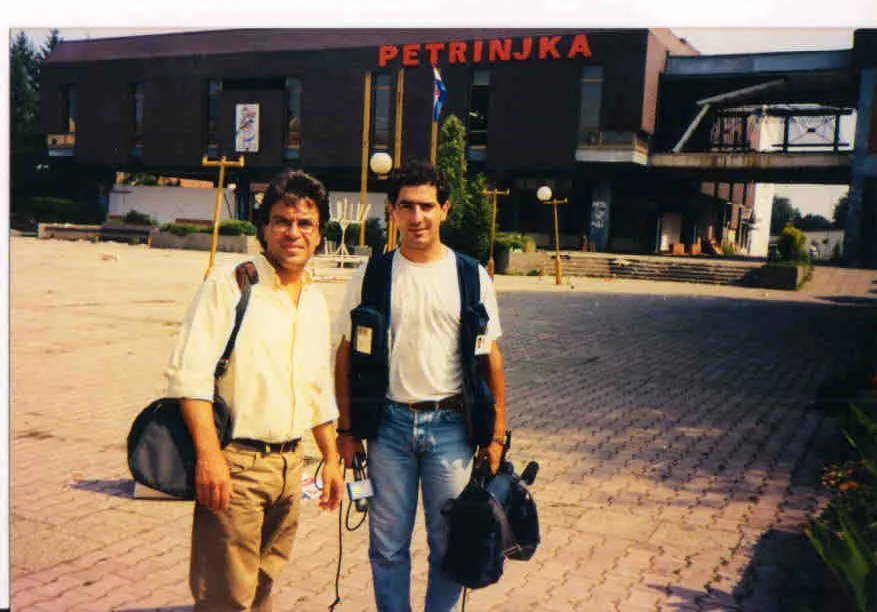
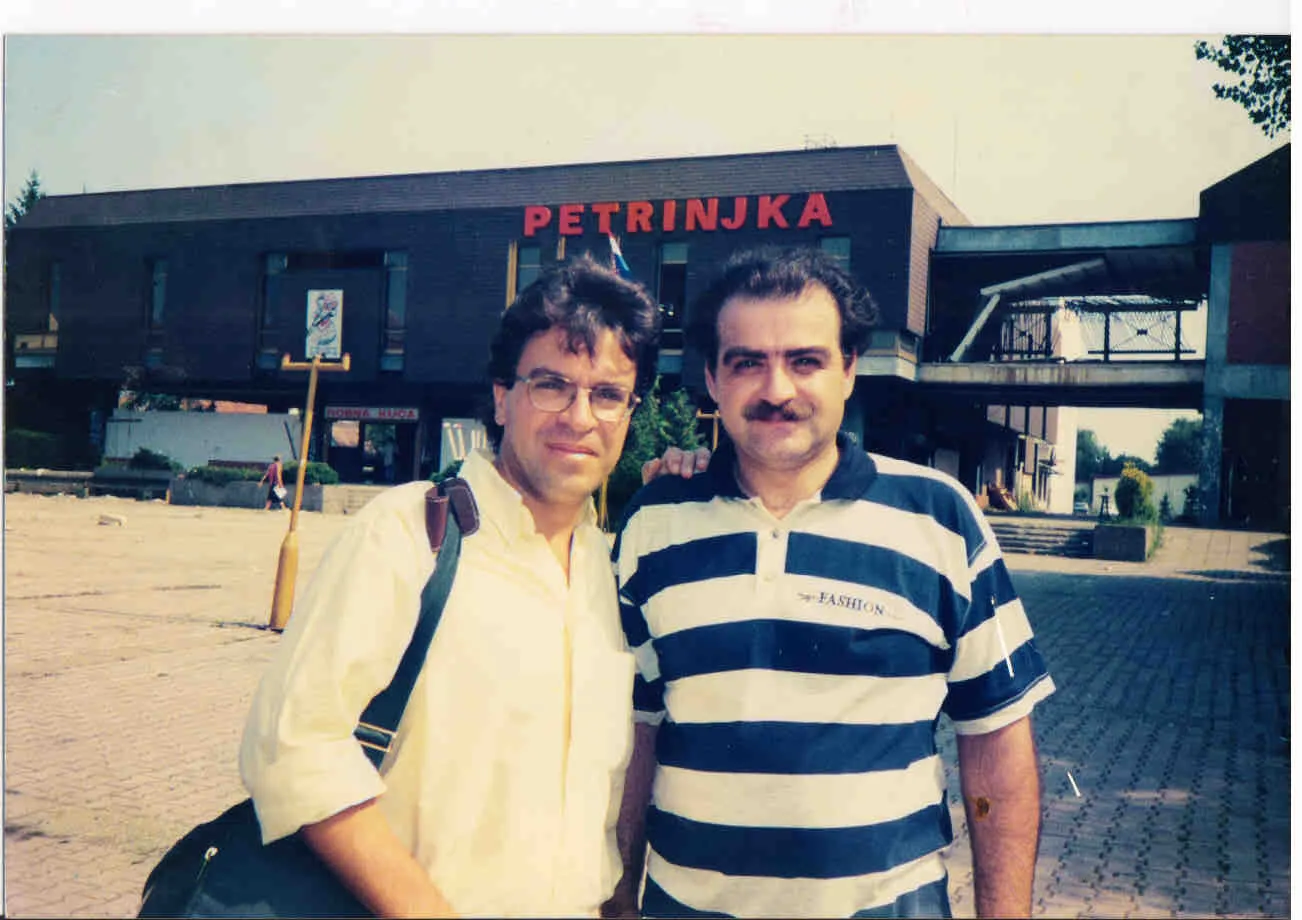
He reported from Banja Luka, from Petrinja, from Srebrenica, from Foča, from Goražde and of course from Grbavica — the district of Sarajevo under Serb control — and from Pale, the seat of the Bosnian Serb leadership.
Alongside the armed clashes he recorded the peace efforts: first those of David Owen and Cyrus Vance, which failed, and then that of Richard Holbrooke, which led to the Dayton agreement.
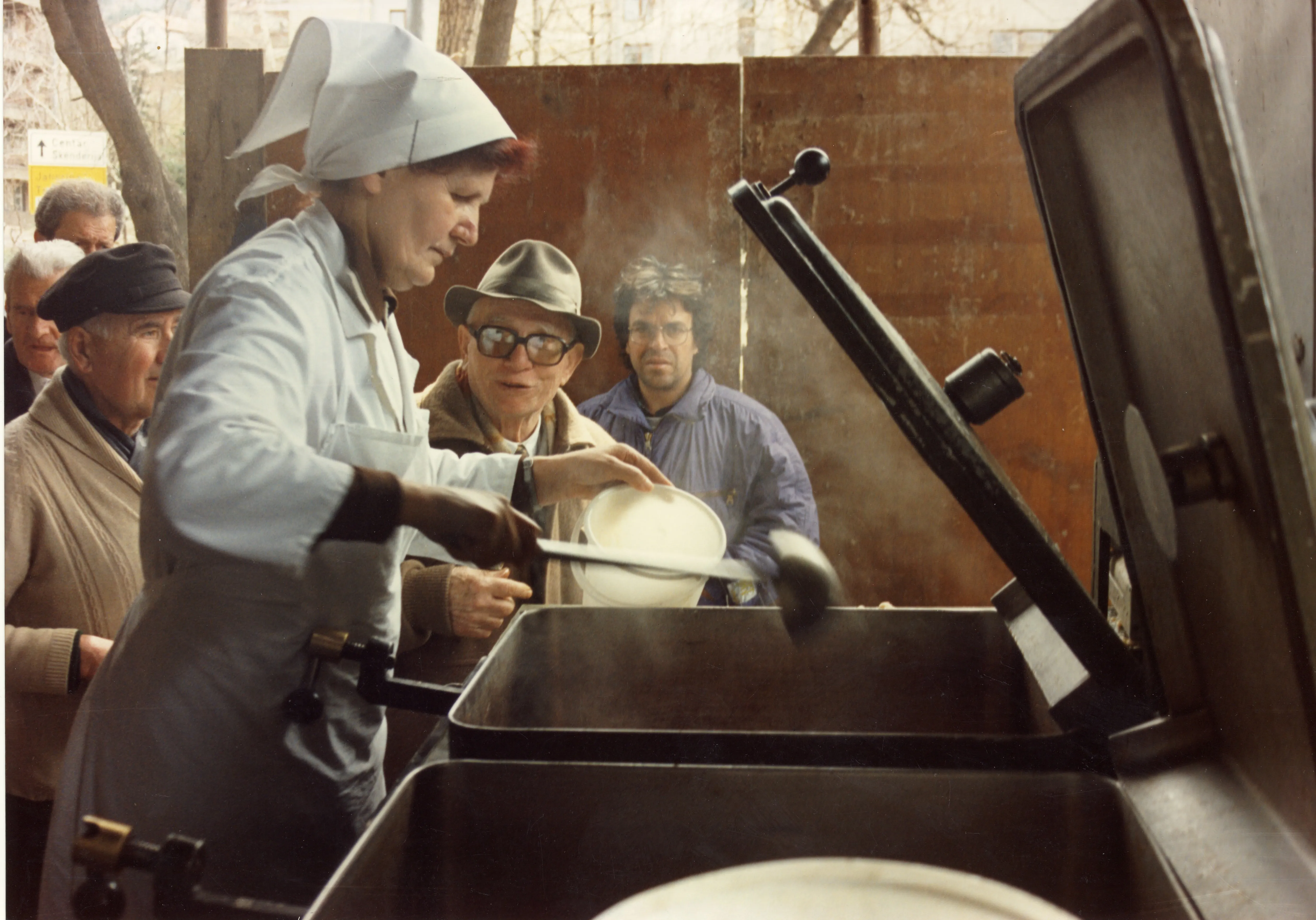
"Sarajevo, the Siege" records the daily life of a city cut off from the world: residents living under fire, shortages of water, power and food, and the human cost of a siege that lasted years. Behind the events, the camera returns steadily to civilians — the war's greatest victims.
The documentary is the centrepiece of Dinopoulos's Bosnia archive and the starting point for the reports that surround it.
The most extensive version of the Sarajevo material — the same starting point as the central documentary, at greater length, with more room for the images of the besieged city.
Dinopoulos's longer documentary on the war in Bosnia and the international air campaign of 1995. The war, which lasted from April 1992 to the Dayton Agreement in 1995, left tens of thousands dead and hundreds of thousands of refugees; as at every stage, civilians paid the heaviest price.
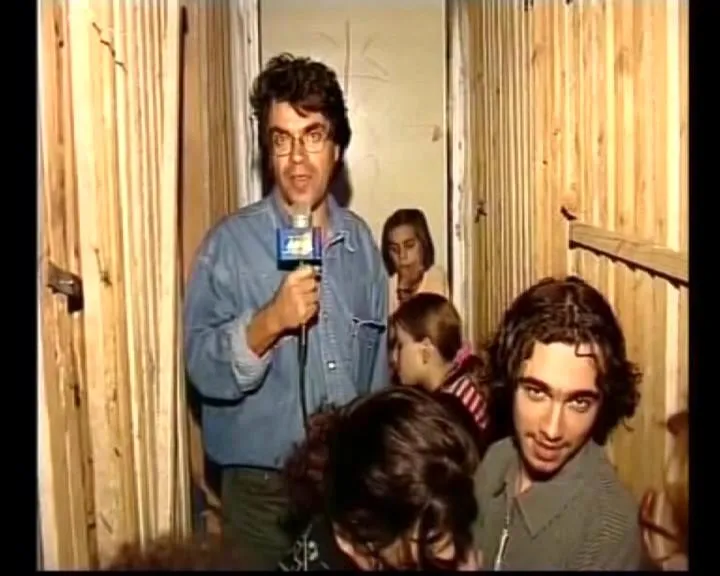
A special feature on the children of the siege. On all of his assignments in Sarajevo, Dinopoulos recorded the effects of the war on children's lives — the indelible marks left on them by a siege that lasted years. They were, as he notes, the greatest victims of the war in Bosnia.
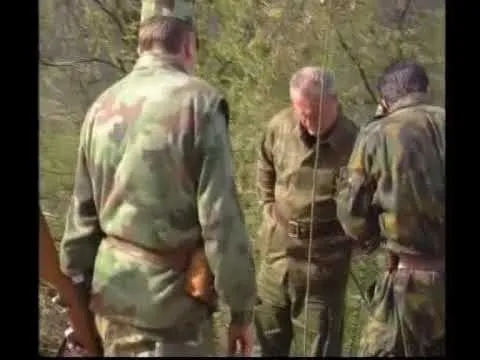 Bosnia — The War A short introduction to the war in Bosnia, which Dinopoulos covered from the first day, in April 1992, to the Dayton Agreement in 1995 — a war that, according to the figures of the time, left around 100,000 dead and a million refugees.
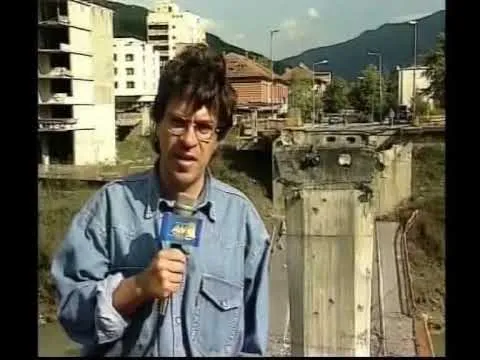 Bosnia — Foča · The Bombings A report from Bosnia (Foča) on the 1995 bombings. Once again, the victims of the war were civilians.
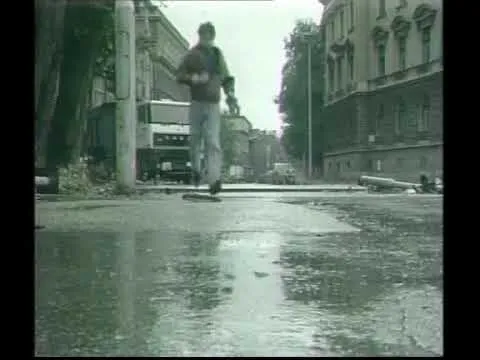 In Besieged Sarajevo A report from Dinopoulos's first assignment in besieged Sarajevo, in July 1992.
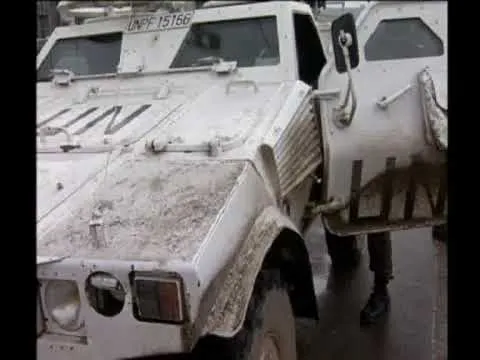 The Harshest Winter of the Siege A report from inside Sarajevo, after almost two years of siege, with residents at the limits of their endurance — a siege that, in the final decade of the twentieth century, was a stain on European civilisation.
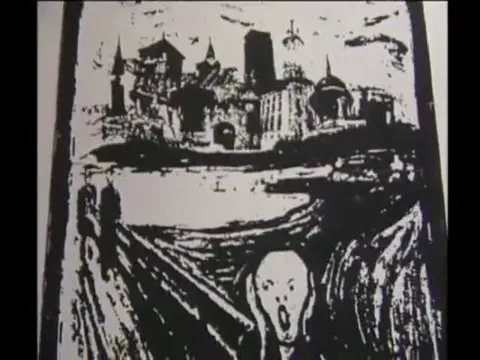 Art in Wartime Amid the siege, the artists and writers of Sarajevo never stopped creating — in a city that, as a crossroads of cultures and religions, was called "the Jerusalem of the Balkans".
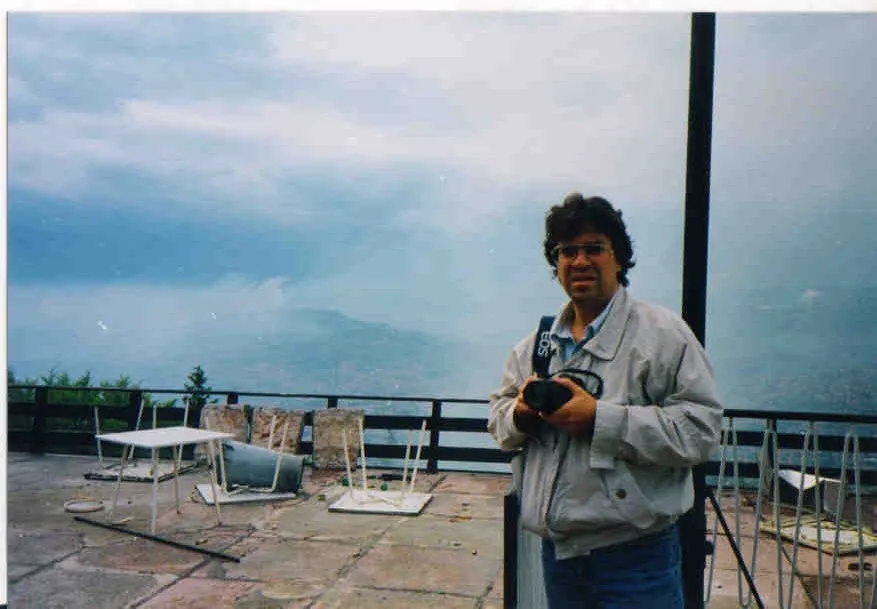
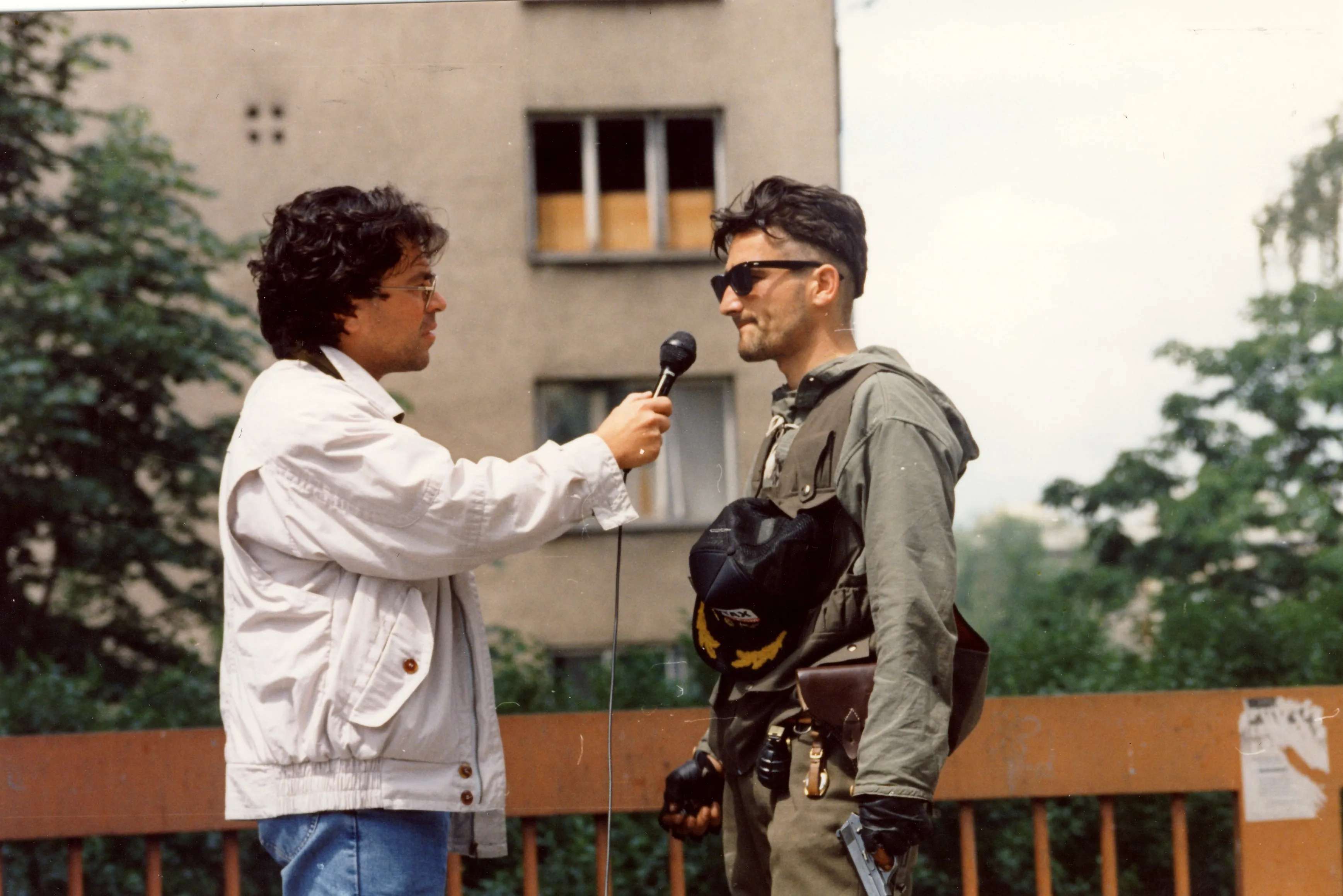
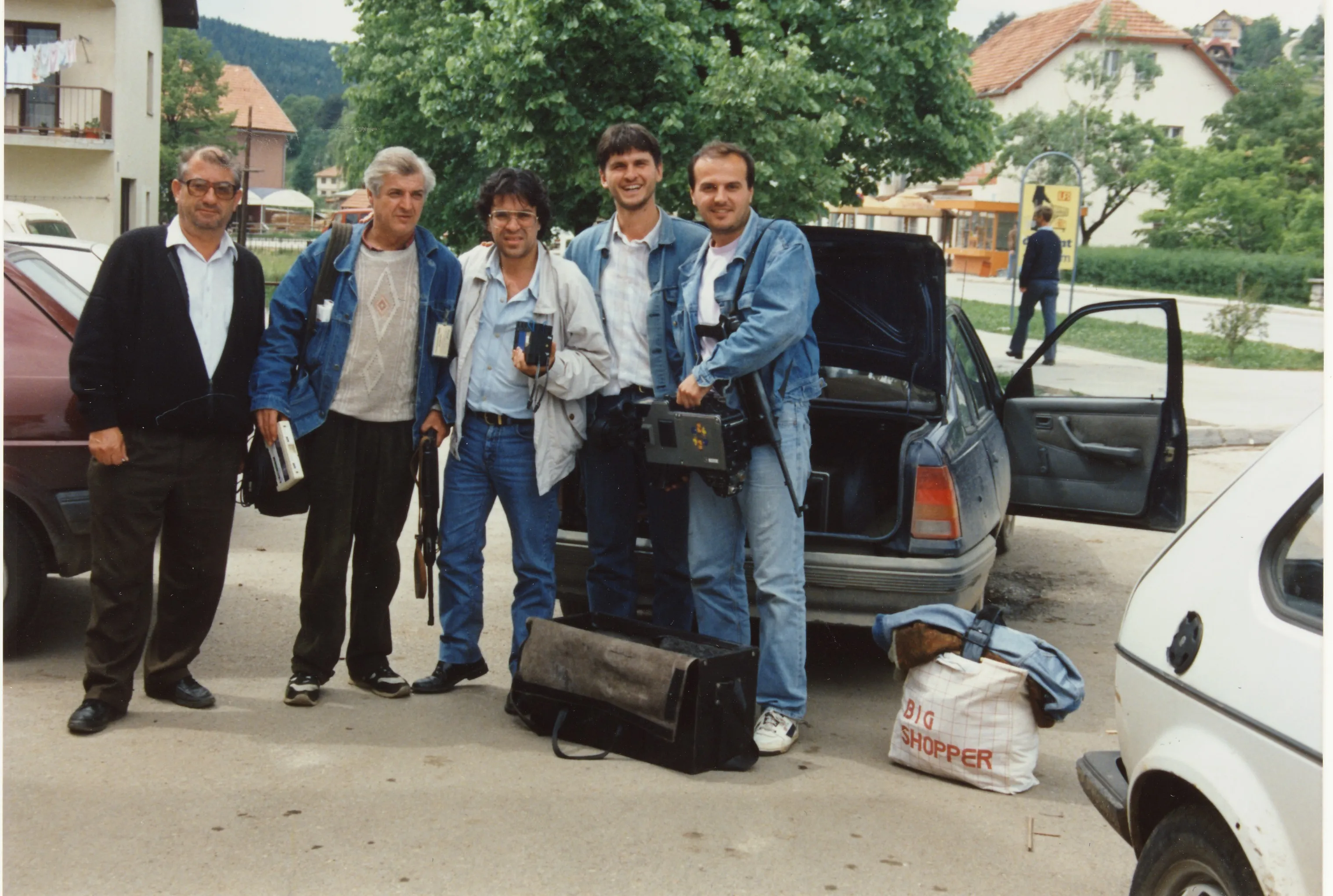
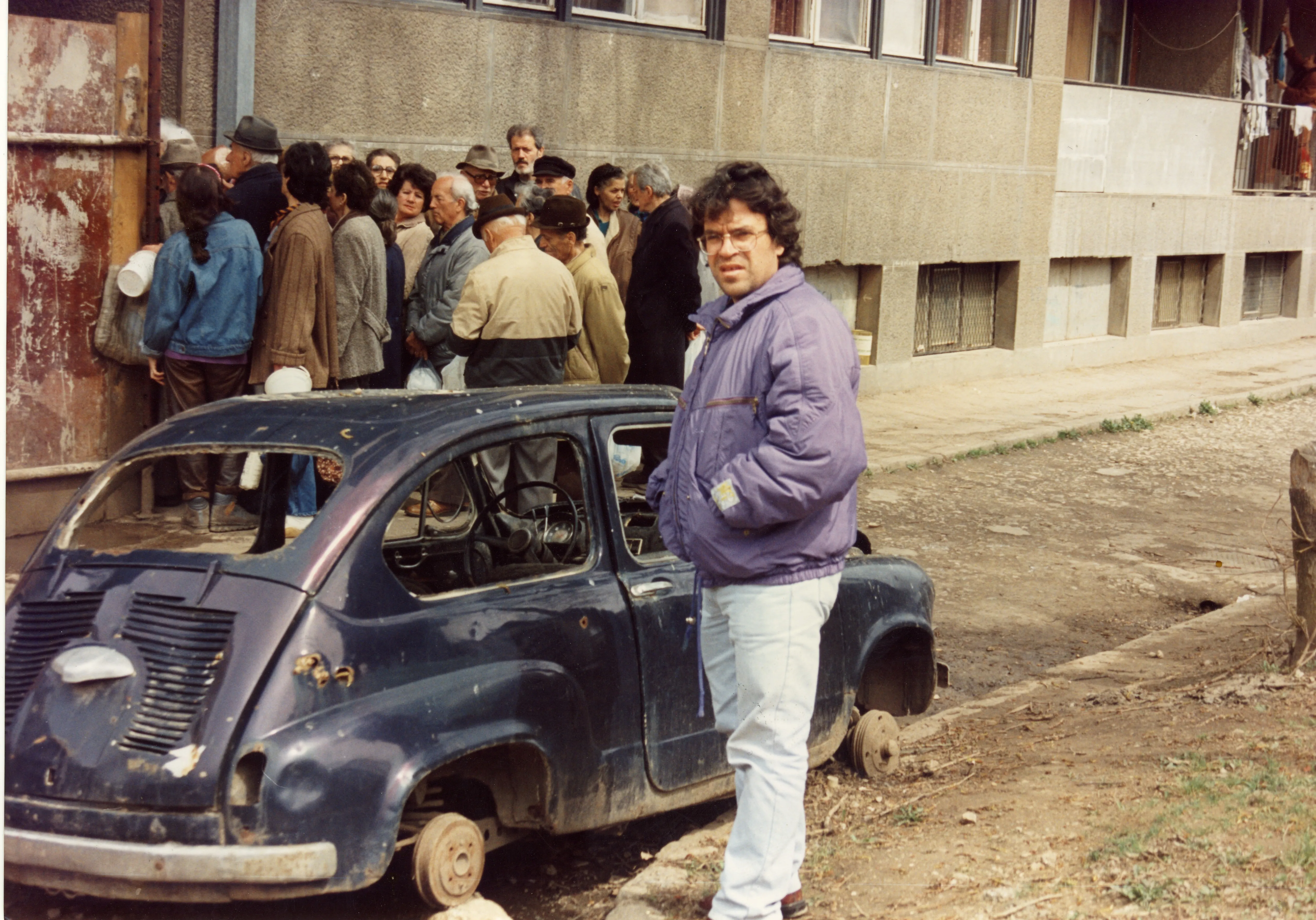
34 photographs · Click a photograph to enlarge.